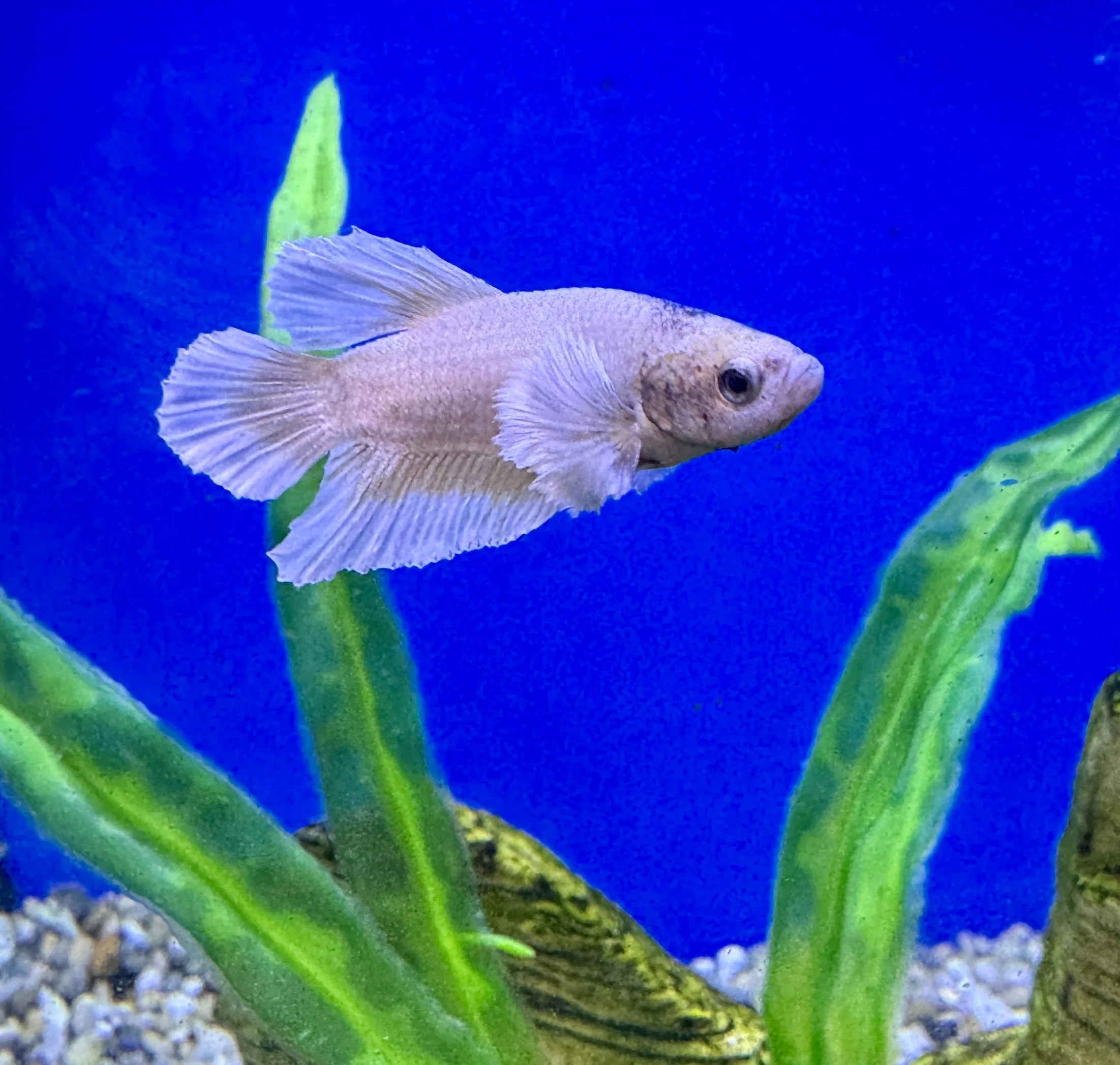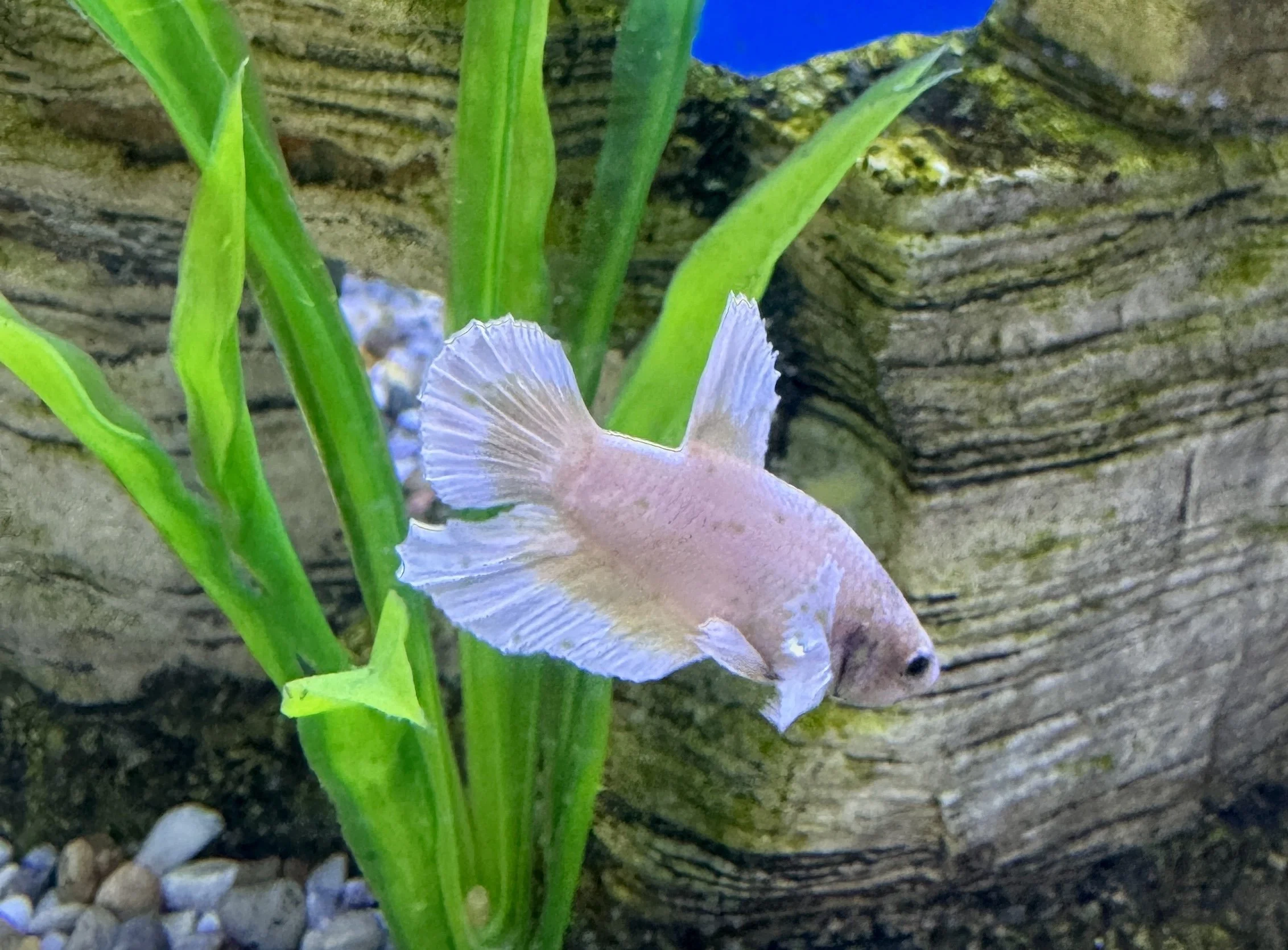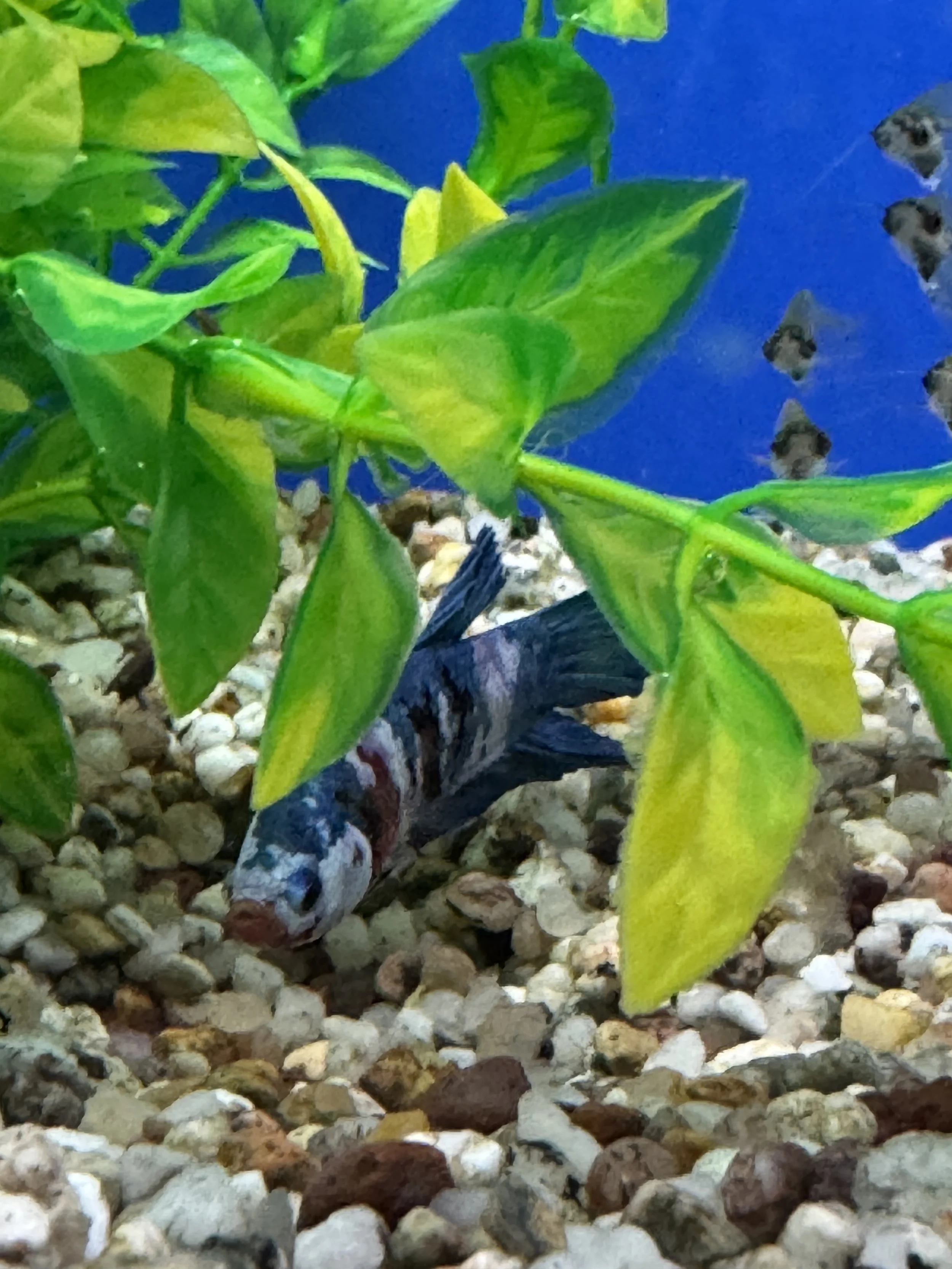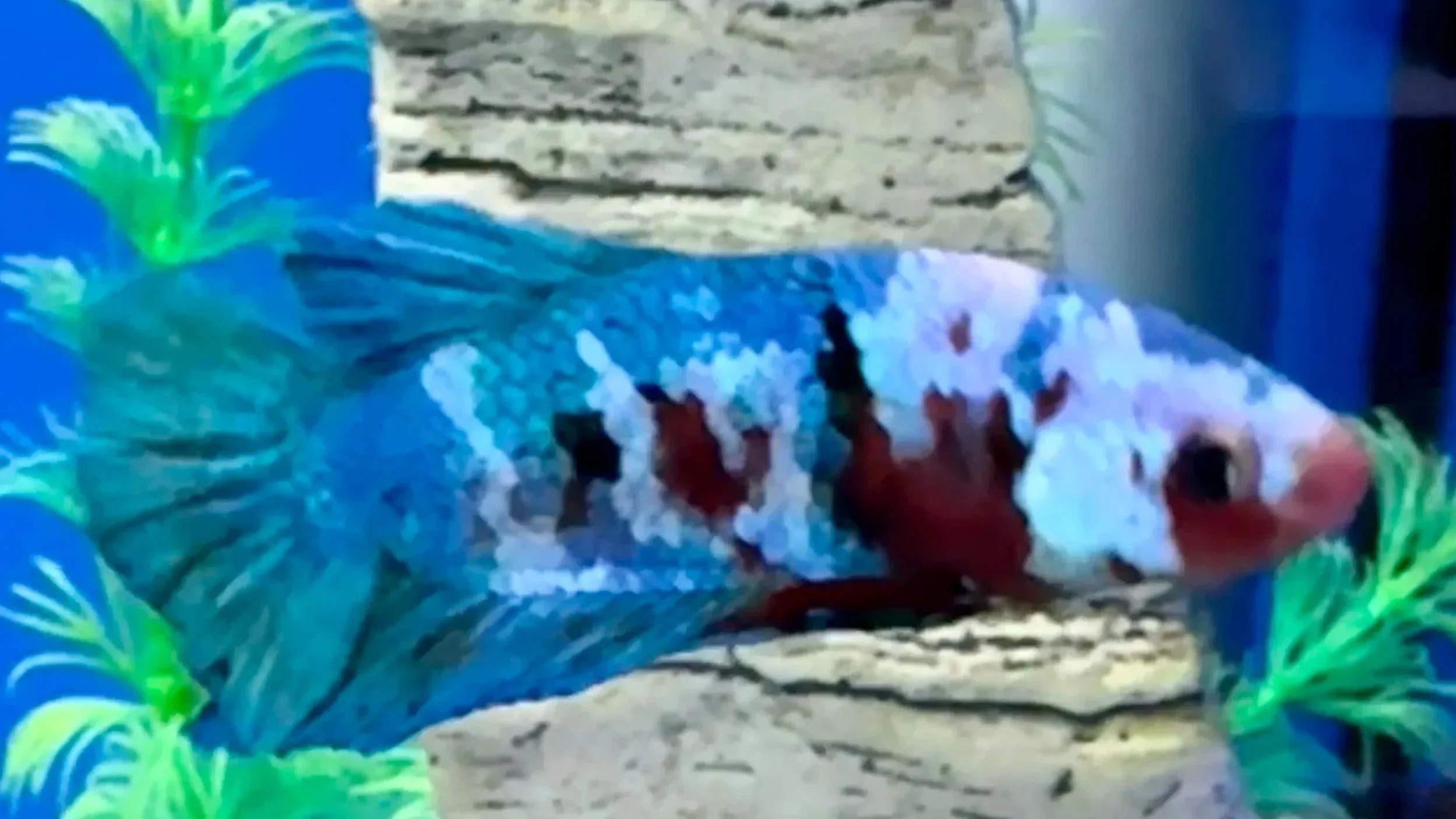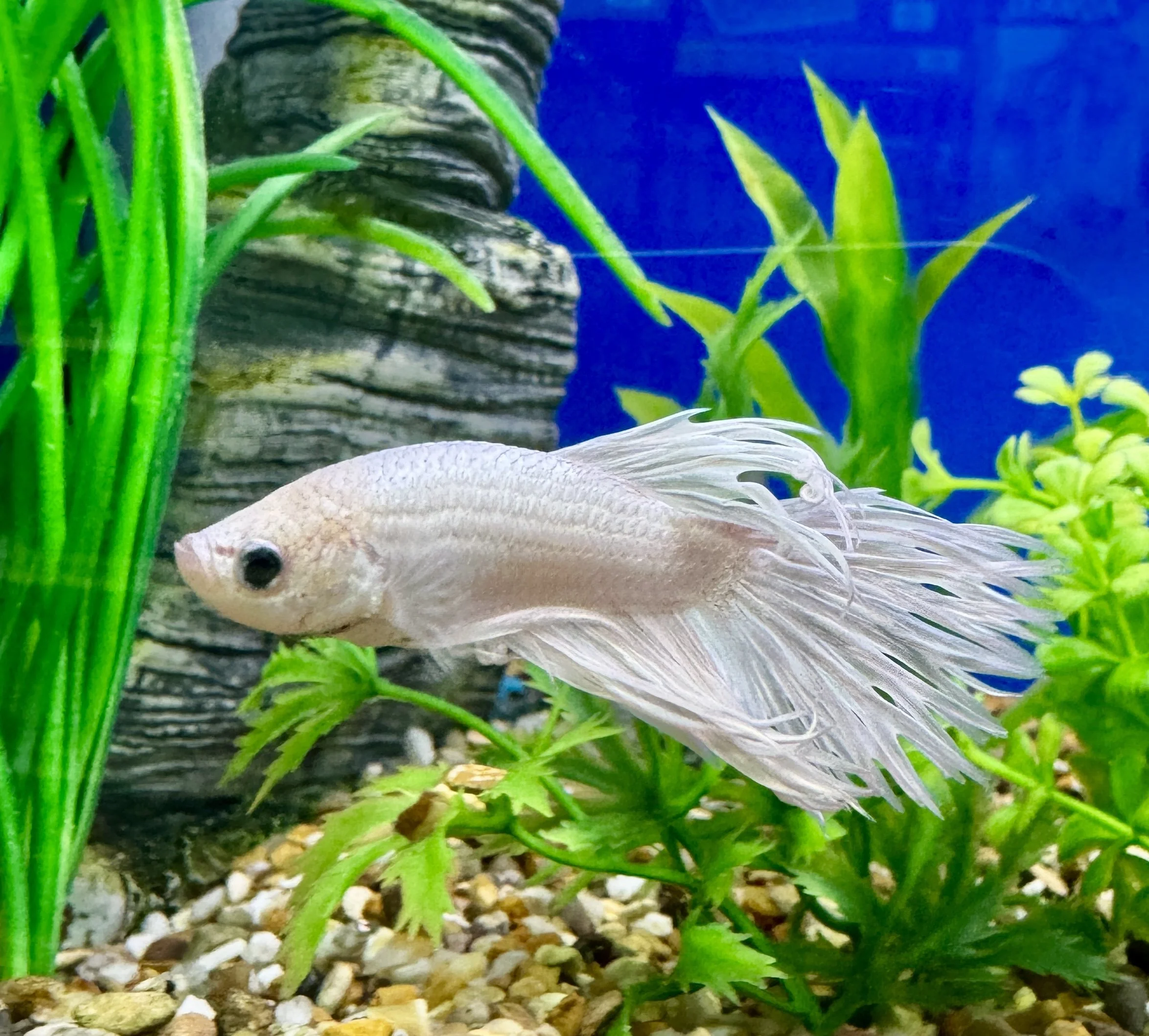
Betta - Crown Tail Platinum/White

£16.99

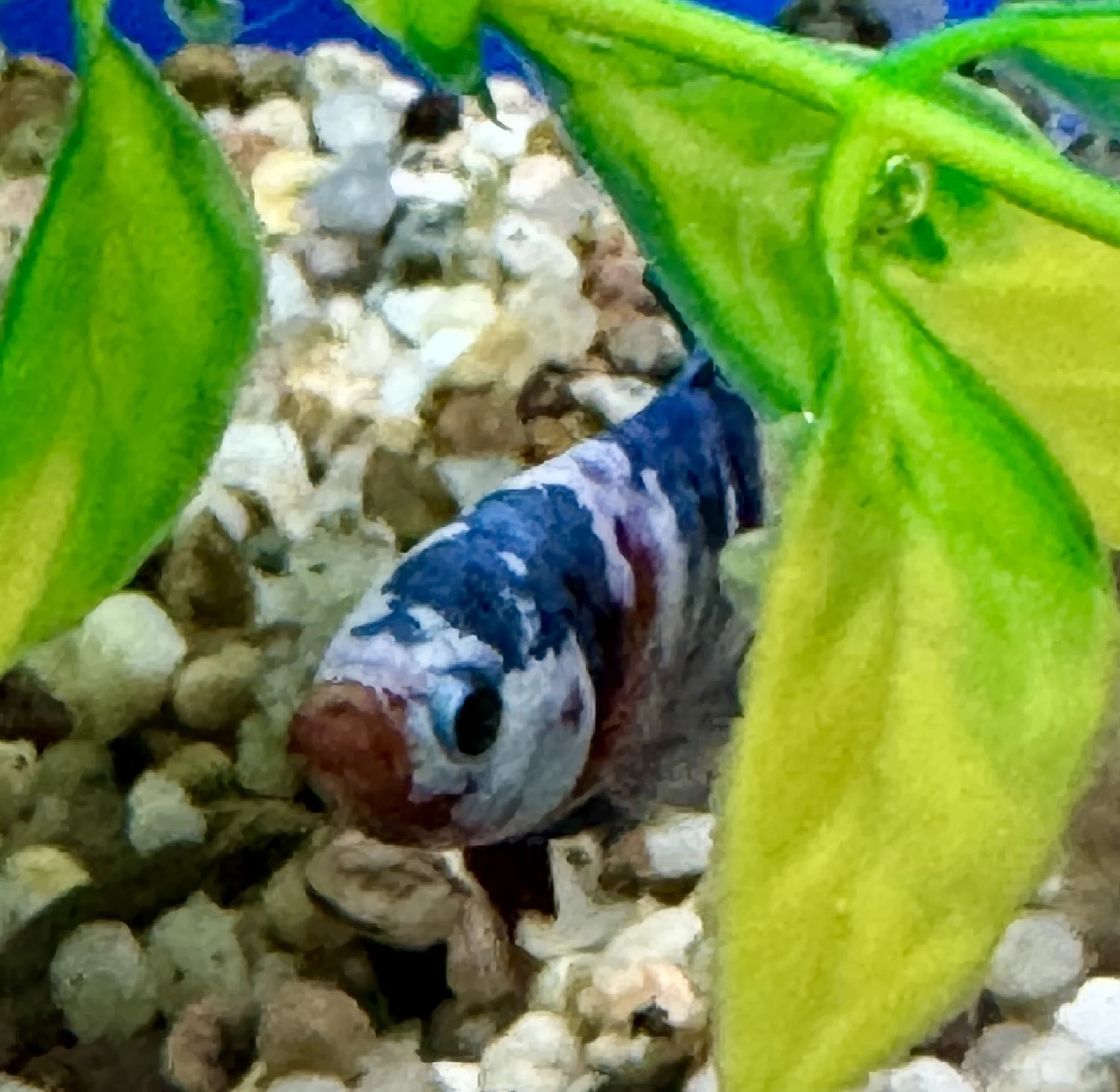
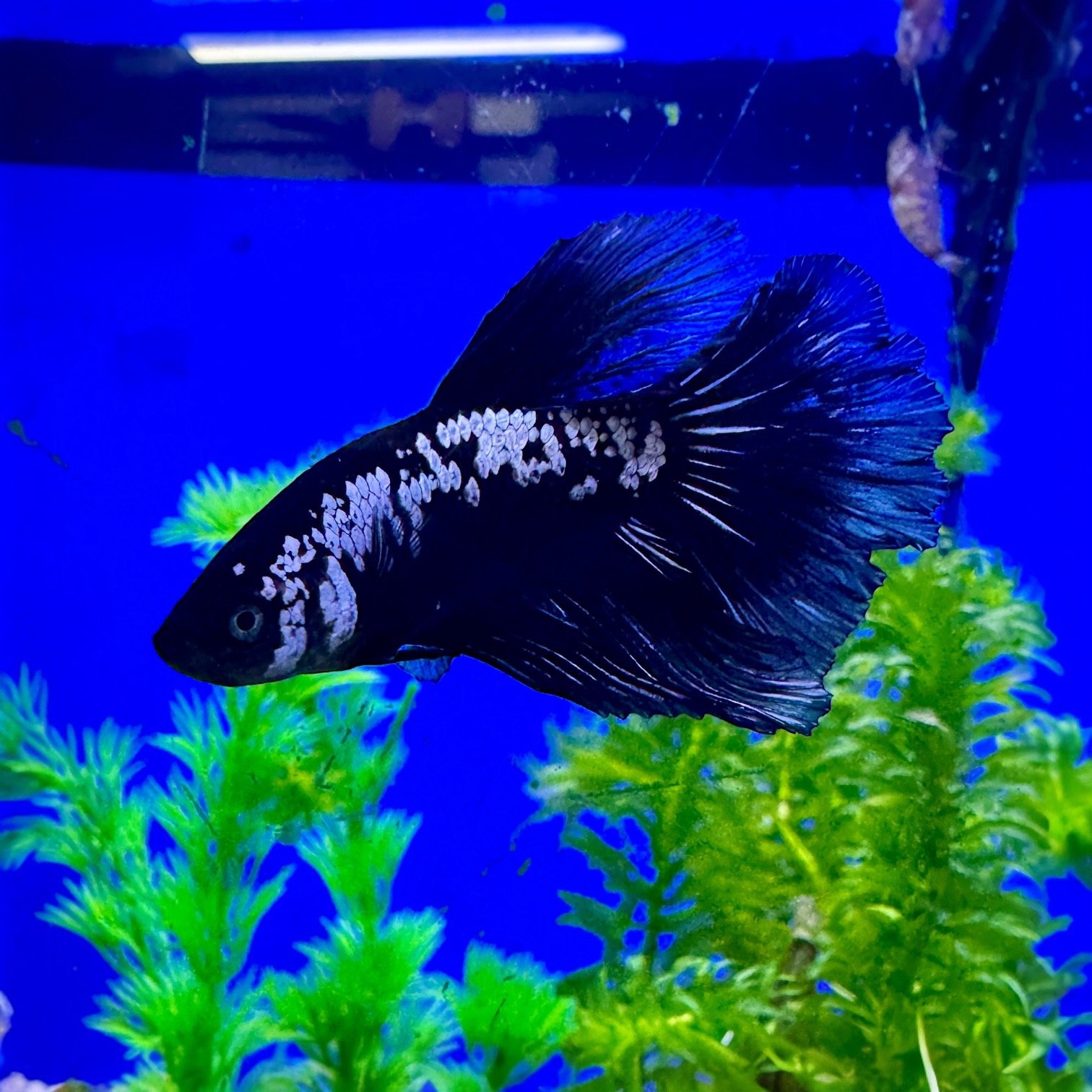
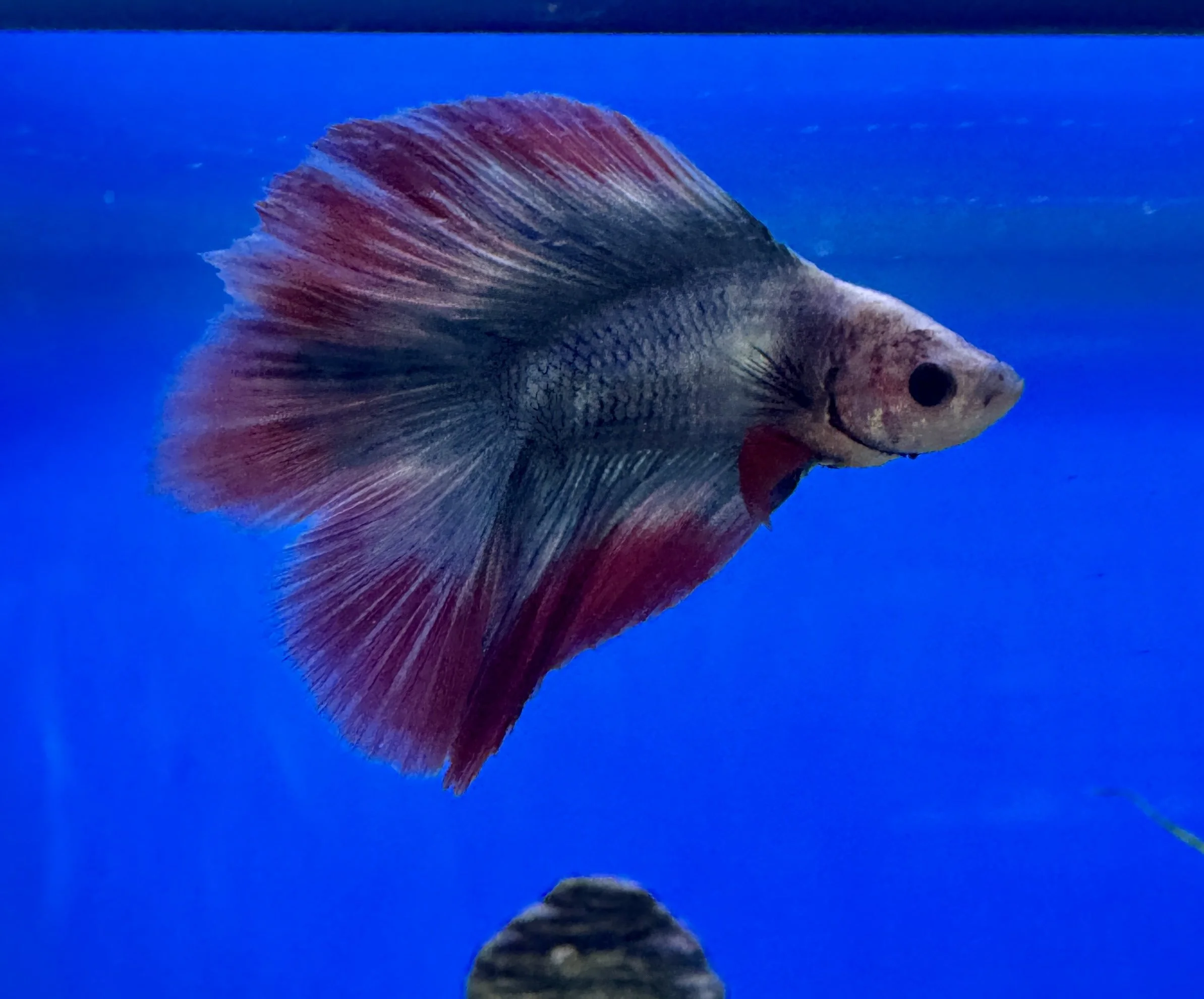
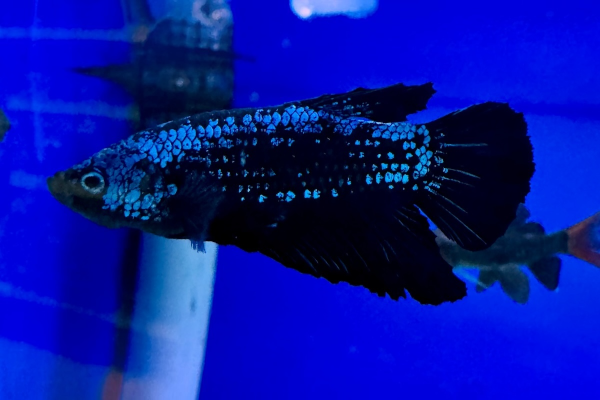
The male Crown Tail Betta is an absolute showstopper and easily one of the most glamorous fish you can bring into your home. Earning their royal name from their spectacular, spiky fins—where the webbing is dramatically reduced to create a striking 'crown' effect—these boys are guaranteed to be the star of your aquarium. Available in a breathtaking array of vibrant colours, from deep velvety reds to brilliant electric blues, they are as full of personality as they are beautiful.

Crown Tails are incredibly intelligent, curious fish that will quickly learn to recognise you, often swimming right up to the glass to greet you and doing a little dance when they know it's feeding time!

Looking after a Crown Tail Betta is a wonderfully rewarding experience, provided you keep a few of their special needs in mind. Because of those magnificent, elaborate fins, they prefer a very gentle water flow, as strong filter currents can easily tire them out.

They thrive in a warm, well-maintained tank of around 30 litres or more, ideally with plenty of soft, leafy plants or a 'betta hammock' where they can take a comfortable rest near the surface.

When it comes to their diet, these little kings are strict carnivores, so you'll want to feed them high-quality betta pellets alongside tasty treats like frozen bloodworms and daphnia.

If you're ready to welcome one of these majestic fish into your life, pop into Pet Aqua—Simon and the team would be absolutely delighted to help you set up the perfect royal palace for your new Betta.

The male Crown Tail Betta is an absolute showstopper and easily one of the most glamorous fish you can bring into your home. Earning their royal name from their spectacular, spiky fins—where the webbing is dramatically reduced to create a striking 'crown' effect—these boys are guaranteed to be the star of your aquarium. Available in a breathtaking array of vibrant colours, from deep velvety reds to brilliant electric blues, they are as full of personality as they are beautiful.

Crown Tails are incredibly intelligent, curious fish that will quickly learn to recognise you, often swimming right up to the glass to greet you and doing a little dance when they know it's feeding time!

Looking after a Crown Tail Betta is a wonderfully rewarding experience, provided you keep a few of their special needs in mind. Because of those magnificent, elaborate fins, they prefer a very gentle water flow, as strong filter currents can easily tire them out.

They thrive in a warm, well-maintained tank of around 30 litres or more, ideally with plenty of soft, leafy plants or a 'betta hammock' where they can take a comfortable rest near the surface.

When it comes to their diet, these little kings are strict carnivores, so you'll want to feed them high-quality betta pellets alongside tasty treats like frozen bloodworms and daphnia.

If you're ready to welcome one of these majestic fish into your life, pop into Pet Aqua—Simon and the team would be absolutely delighted to help you set up the perfect royal palace for your new Betta.

Male Crown Tail Betta - Betta splendens

Scientific Name: Betta splendens

Common Name: Crown Tail Betta, Siamese Fighting Fish

Family: Osphronemidae

Origin: Southeast Asia (specifically the Mekong basin in Thailand, Cambodia, and Vietnam); the distinct "crown tail" variation was selectively bred by enthusiasts in Indonesia in the late 1990s

Size: Up to 2.5 to 3 inches (6.5-7.5 cm)

Lifespan: 3-5 years

Diet: Carnivorous; they require a protein-rich diet consisting of high-quality betta pellets, supplemented with live or frozen foods such as bloodworms, brine shrimp, and daphnia

Temperament: Highly territorial and aggressive, particularly toward other males of their species or fish with similar flowing fins

Water Parameters: Temperature: 78-82°F (25-28°C) pH: 6.5-7.5 Hardness: 5-20 dGH

Tank Size: Minimum 5 gallons (a gentle filter is necessary to protect their delicate, elaborate fins from strong currents)

Compatibility: Best kept as a solitary centerpiece fish; in larger setups, they can coexist with peaceful, short-finned bottom dwellers like corydoras or snails, but one must strictly avoid fin-nippers, other labyrinth fish, or brightly colored tank mates that might trigger their aggressive instincts