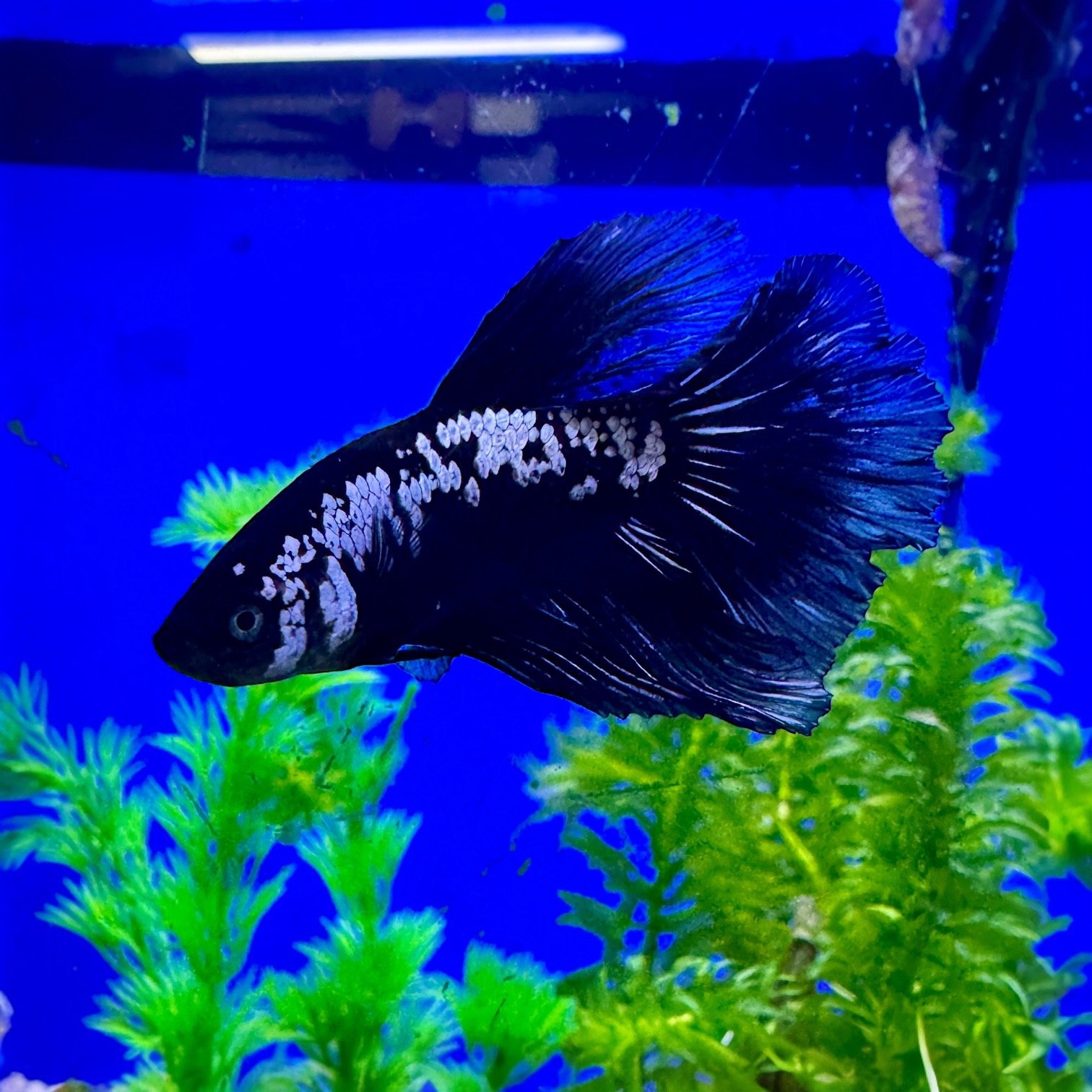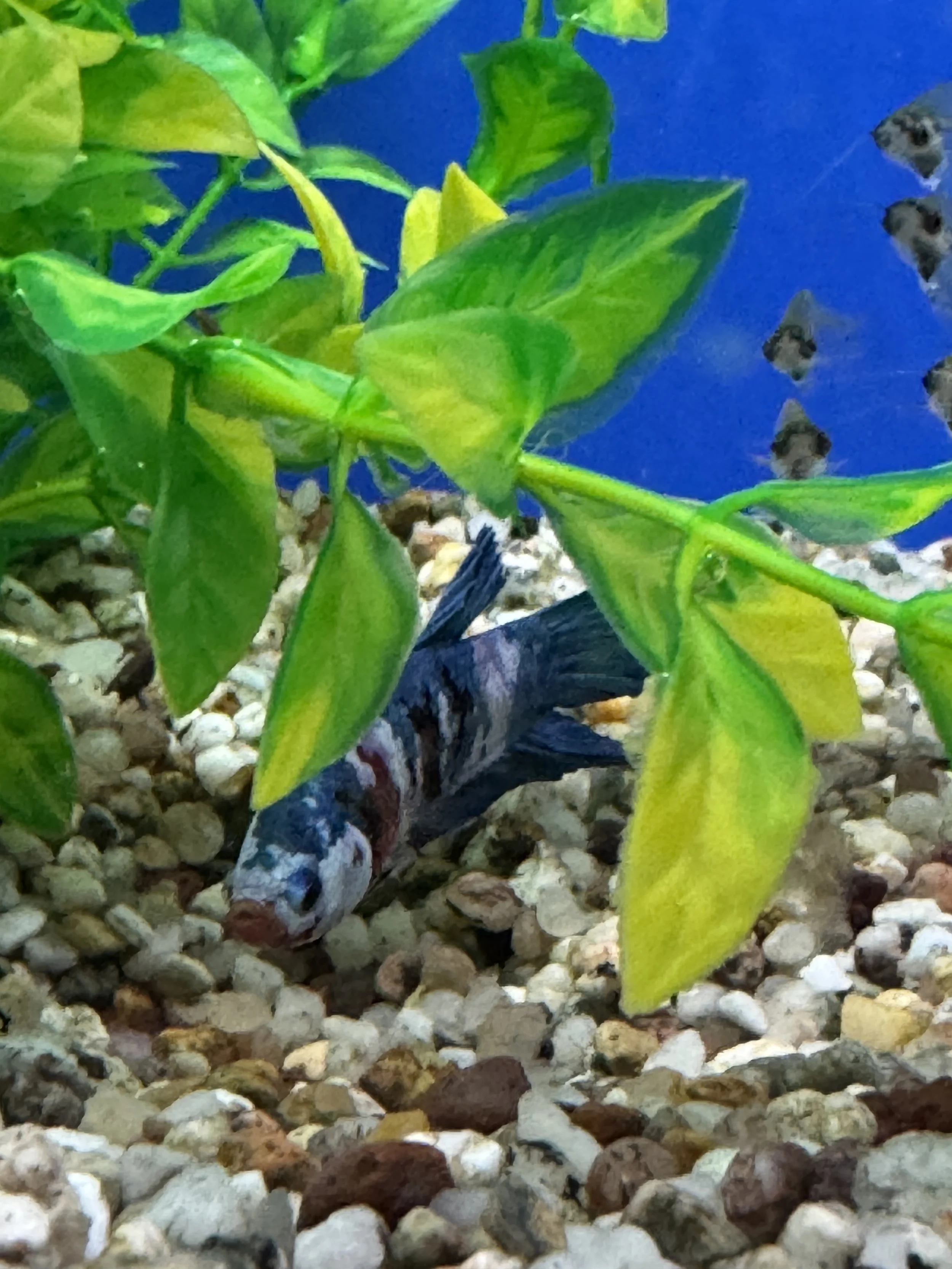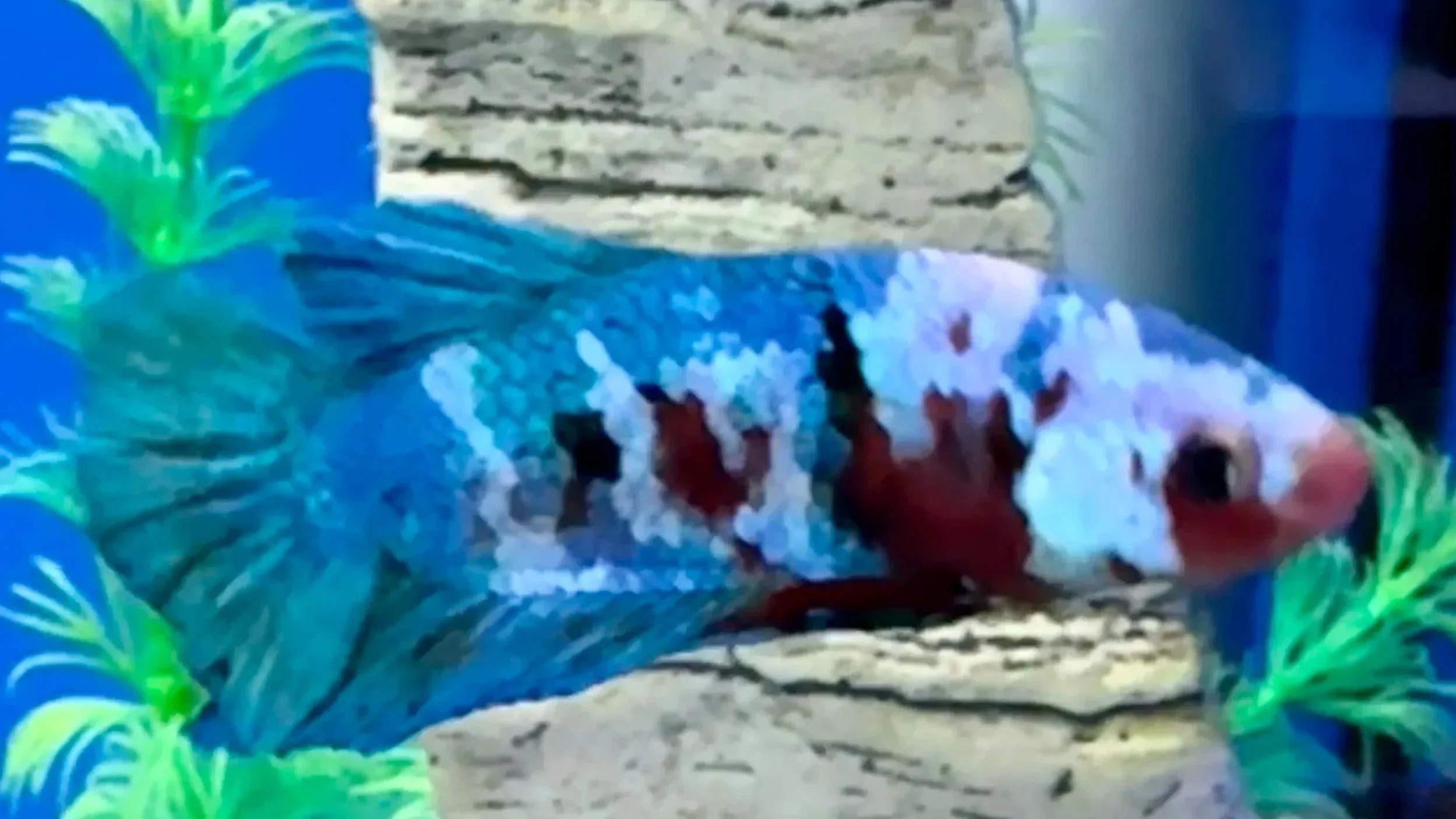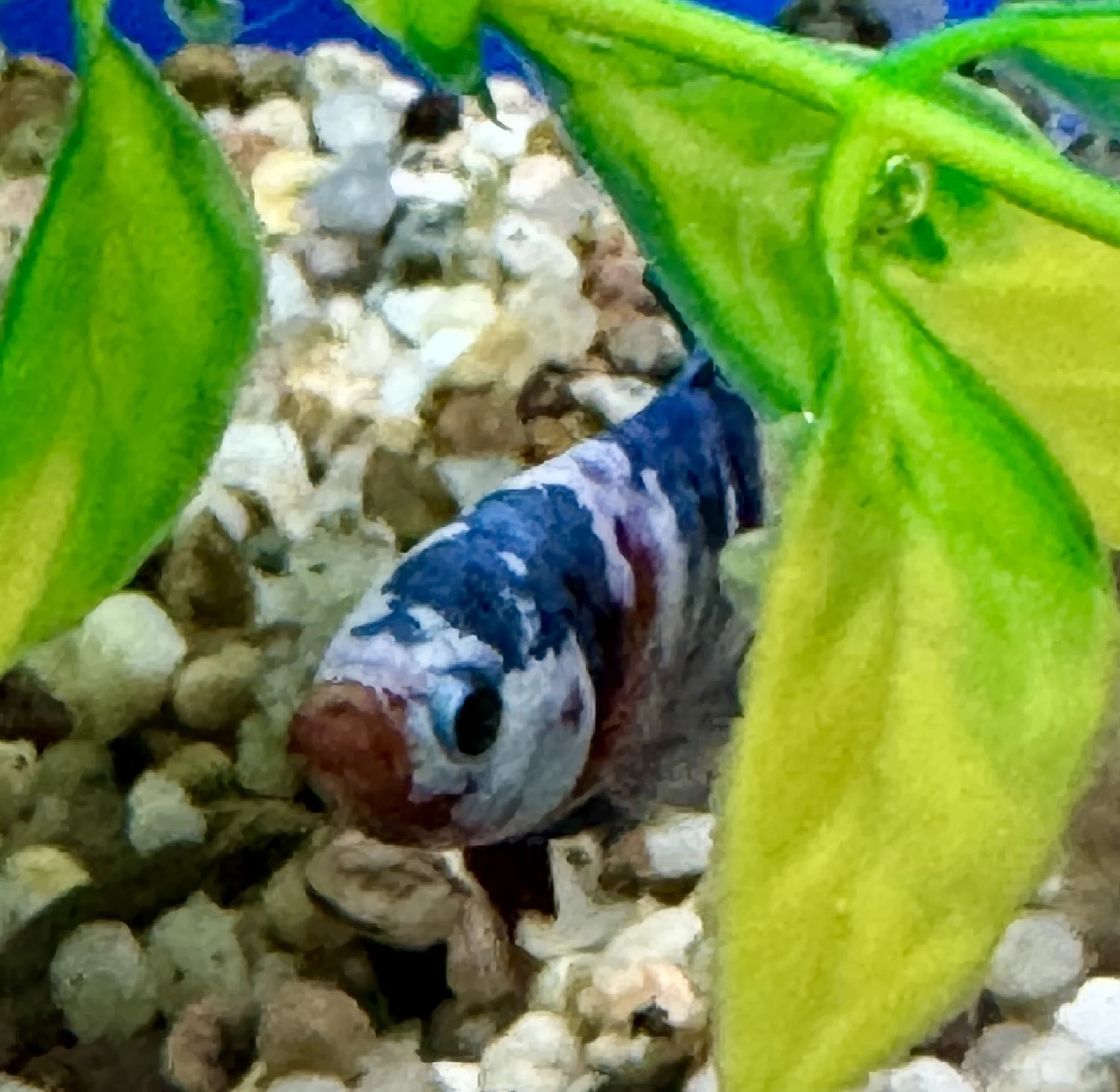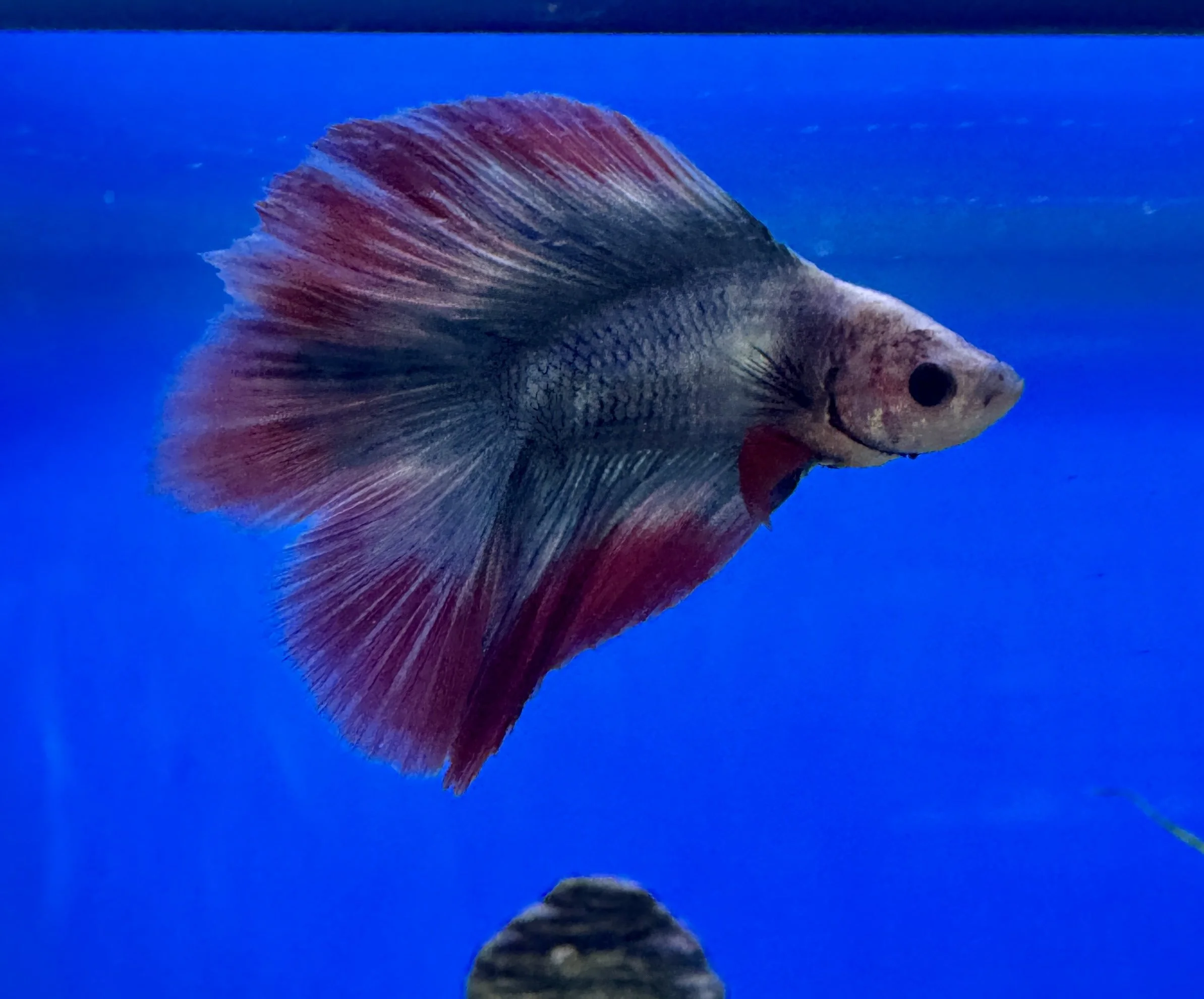
Double Tail Betta Male Siamese Red, Blue & White

£16.99

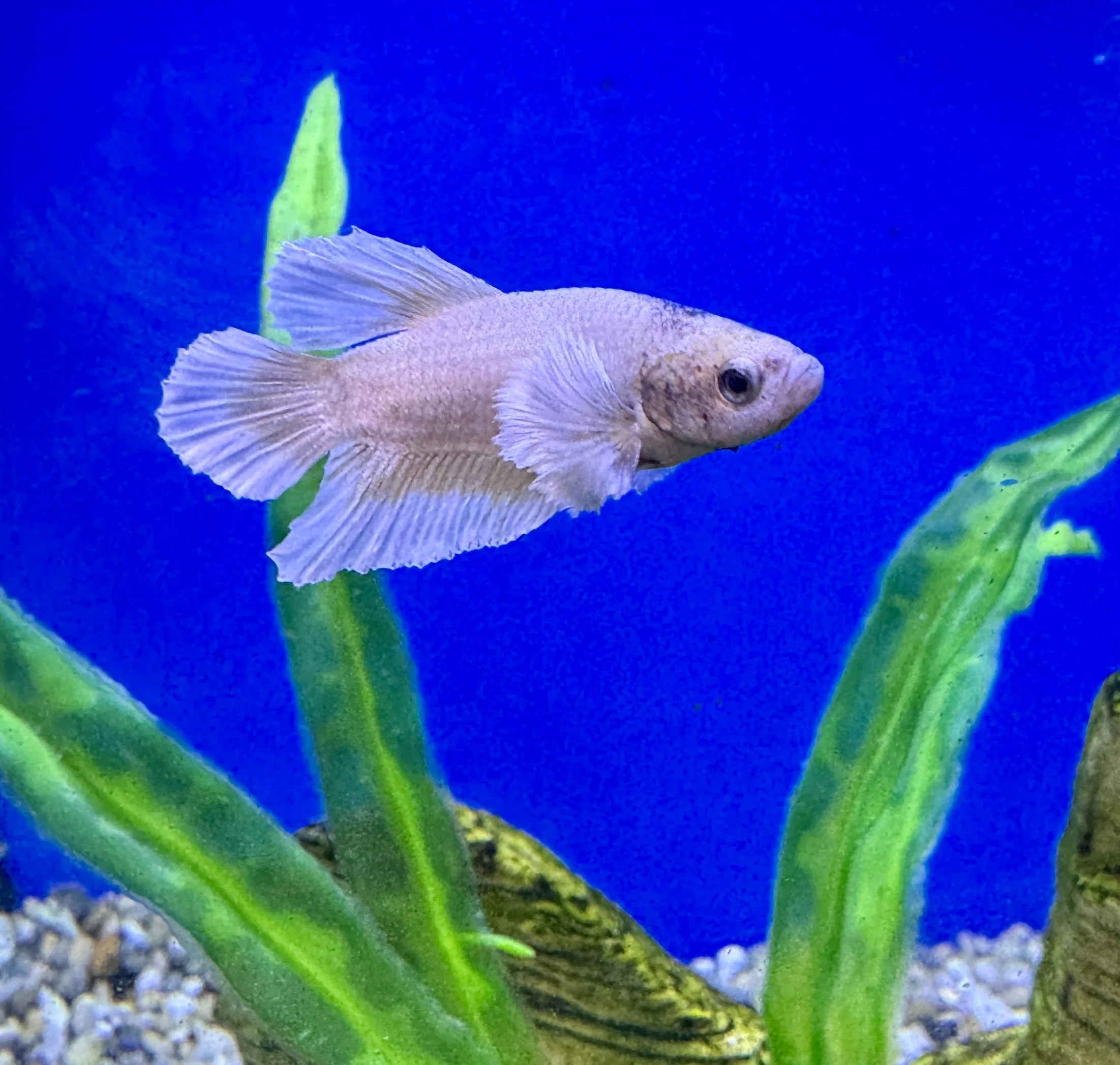
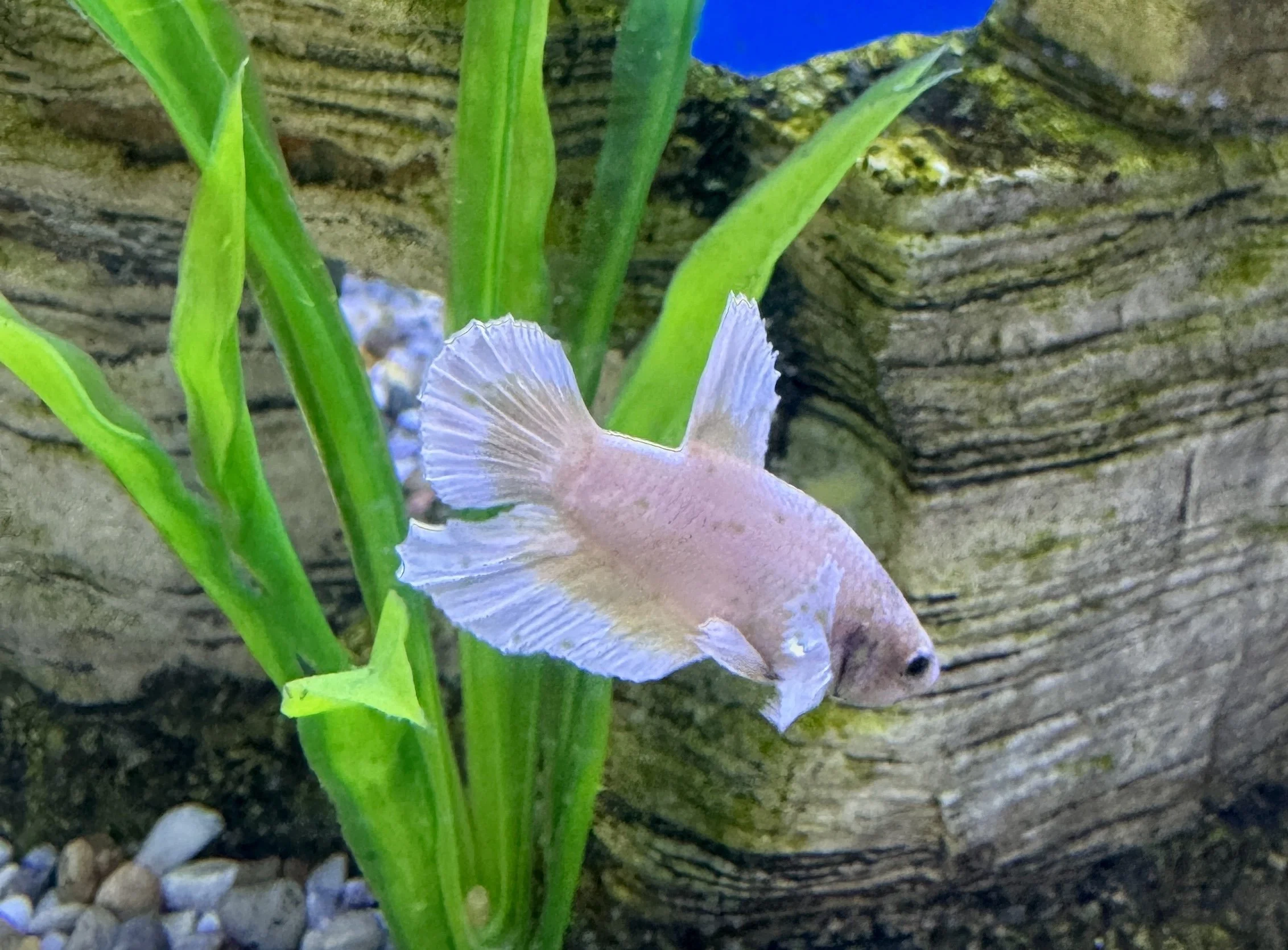
The male Double Tail Betta is a truly spectacular fish that brings a touch of pure glamour to any aquarium.

As their name suggests, these gorgeous boys boast a unique tail fin that is split right down the middle into two distinct, flowing lobes.

Combined with an extra-wide dorsal fin along their back, this gives them a wonderfully full, almost butterfly-like silhouette as they glide through the water.

Available in a dazzling rainbow of colours, they are just as famous for their big personalities as their stunning looks.

These intelligent, curious little characters will quickly learn to recognise you, often fluttering right up to the front of the glass to see what you're up to or to eagerly beg for their next meal!

Looking after a Double Tail Betta is a joy, though their magnificent fins do mean they need a little extra consideration.

Because they have to carry all that beautiful, heavy finnage around, they can tire easily, so a warm, gently filtered tank of around 30 litres or more is absolutely perfect for them.

They really appreciate having plenty of broad, leafy plants or a 'betta hammock' near the surface where they can take a well-deserved rest.

To keep them healthy and their colours glowing, feed them a high-protein diet of quality betta pellets alongside tasty frozen treats like bloodworms and daphnia.

If you're ready to add one of these fabulous fish to your family, pop down to Pet Aqua—Simon and the team are always here to help you set up the ultimate underwater palace for your new Betta.

The male Double Tail Betta is a truly spectacular fish that brings a touch of pure glamour to any aquarium.

As their name suggests, these gorgeous boys boast a unique tail fin that is split right down the middle into two distinct, flowing lobes.

Combined with an extra-wide dorsal fin along their back, this gives them a wonderfully full, almost butterfly-like silhouette as they glide through the water.

Available in a dazzling rainbow of colours, they are just as famous for their big personalities as their stunning looks.

These intelligent, curious little characters will quickly learn to recognise you, often fluttering right up to the front of the glass to see what you're up to or to eagerly beg for their next meal!

Looking after a Double Tail Betta is a joy, though their magnificent fins do mean they need a little extra consideration.

Because they have to carry all that beautiful, heavy finnage around, they can tire easily, so a warm, gently filtered tank of around 30 litres or more is absolutely perfect for them.

They really appreciate having plenty of broad, leafy plants or a 'betta hammock' near the surface where they can take a well-deserved rest.

To keep them healthy and their colours glowing, feed them a high-protein diet of quality betta pellets alongside tasty frozen treats like bloodworms and daphnia.

If you're ready to add one of these fabulous fish to your family, pop down to Pet Aqua—Simon and the team are always here to help you set up the ultimate underwater palace for your new Betta.

Male Double Tail Betta - Betta splendens

Scientific Name: Betta splendens

Common Name: Double Tail Betta, Siamese Fighting Fish

Family: Osphronemidae

Origin: Southeast Asia (specifically the Mekong basin); the distinctive split caudal fin and broader dorsal fin are the results of a specific genetic mutation cultivated through meticulous selective breeding in the aquarium trade Size: Up to 2.5 to 3 inches (6.5-7.5 cm)

Lifespan: 3-5 years

Diet: Carnivorous; they require a protein-rich diet consisting of high-quality betta pellets, supplemented with live or frozen foods such as bloodworms, brine shrimp, and daphnia

Temperament: Highly territorial and aggressive; due to their extensive finnage and typically shorter, more compact bodies, they are slower swimmers than other varieties and can be more susceptible to exhaustion or swim bladder issues

Water Parameters: Temperature: 78-82°F (25-28°C) pH: 6.5-7.5 Hardness: 5-20 dGH

Tank Size: Minimum 30 Litres (a gentle filter is essential to prevent their heavy fins from causing fatigue in strong currents)

Compatibility: Best kept as a solitary centerpiece fish; in larger setups, they can coexist with peaceful, short-finned bottom dwellers like corydoras or snails, but one must strictly avoid other labyrinth fish, fin-nippers, or brightly colored tank mates that might trigger their aggressive instincts