Flying Fox Tropical Fish - Epalzeorhynchos kalopterus 2cm

from £2.99

The Epalzeorhynchos kalopterus, commonly known as the Flying Fox or False Siamese Algae Eater, is a sleek and energetic freshwater fish native to the fast-flowing rivers and streams of Southeast Asia, including Thailand, Indonesia, and Borneo.

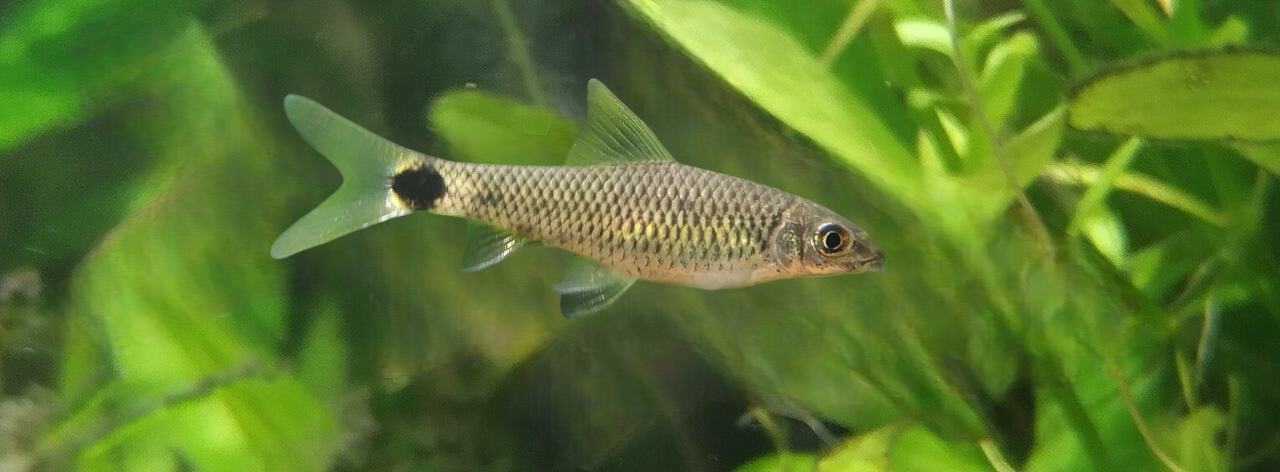
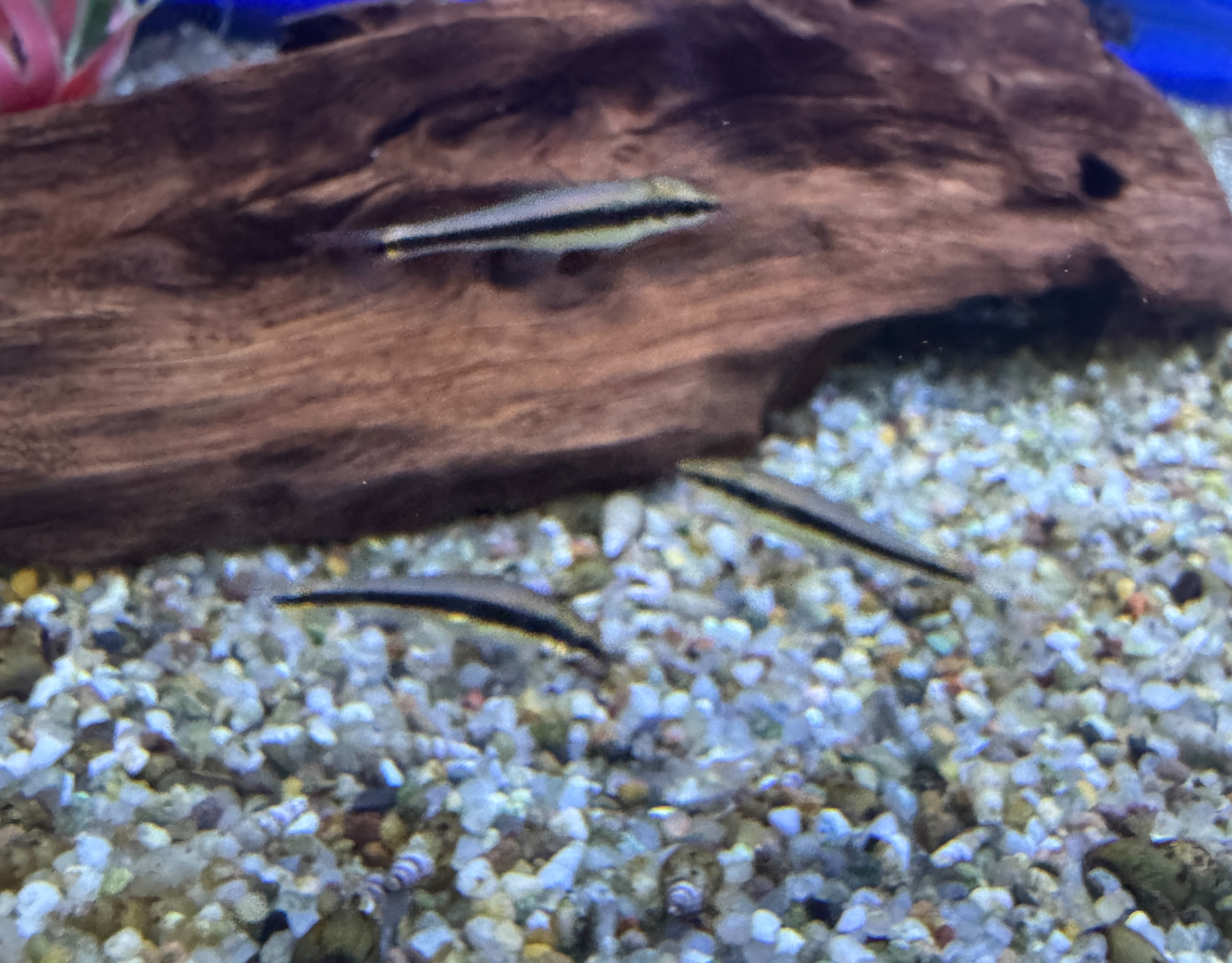
This active species features an elongated, torpedo-shaped body in golden-brown to grey tones, adorned with a prominent black horizontal stripe that runs from snout to tail.

The stripe is bordered above by a lighter gold or cream line, and their fins display subtle yellow to reddish tints. Growing to approximately 12-15 centimetres in length, Flying Foxes are powerful swimmers with a slightly upturned mouth designed for grazing algae from rocks and surfaces.

Young Flying Foxes are relatively peaceful and make excellent algae-eaters in community aquariums, actively grazing on various algae types including the troublesome brown and green varieties.

However, as they mature, they can become increasingly territorial and aggressive, particularly towards their own species and similar-looking fish.

They should be kept singly and paired with robust, fast-swimming tank mates that occupy the upper water levels, such as barbs, rainbowfish, and larger tetras.

Bottom-dwelling species and slow-moving fish should be avoided.

These omnivores require a varied diet consisting primarily of vegetable matter including algae wafers, spirulina flakes, and blanched vegetables such as courgette and cucumber, supplemented with occasional protein from bloodworms or brine shrimp.

They appreciate a well-oxygenated aquarium with moderate to strong flow, plenty of swimming space, and surfaces for algae grazing.

Qty:

The Epalzeorhynchos kalopterus, commonly known as the Flying Fox or False Siamese Algae Eater, is a sleek and energetic freshwater fish native to the fast-flowing rivers and streams of Southeast Asia, including Thailand, Indonesia, and Borneo.

This active species features an elongated, torpedo-shaped body in golden-brown to grey tones, adorned with a prominent black horizontal stripe that runs from snout to tail.

The stripe is bordered above by a lighter gold or cream line, and their fins display subtle yellow to reddish tints. Growing to approximately 12-15 centimetres in length, Flying Foxes are powerful swimmers with a slightly upturned mouth designed for grazing algae from rocks and surfaces.

Young Flying Foxes are relatively peaceful and make excellent algae-eaters in community aquariums, actively grazing on various algae types including the troublesome brown and green varieties.

However, as they mature, they can become increasingly territorial and aggressive, particularly towards their own species and similar-looking fish.

They should be kept singly and paired with robust, fast-swimming tank mates that occupy the upper water levels, such as barbs, rainbowfish, and larger tetras.

Bottom-dwelling species and slow-moving fish should be avoided.

These omnivores require a varied diet consisting primarily of vegetable matter including algae wafers, spirulina flakes, and blanched vegetables such as courgette and cucumber, supplemented with occasional protein from bloodworms or brine shrimp.

They appreciate a well-oxygenated aquarium with moderate to strong flow, plenty of swimming space, and surfaces for algae grazing.

Scientific name: Epalzeorhynchos kalopterus

Common name: Flying Fox, Siamese Flying Fox, Black Shark Minnow

Adult Size: 6 to 8 inches (15 to 20 cm)

Temperature Range: 72 to 79°F (22 to 26°C)

pH Range: 6.5 to 7.5

Compatibility: Generally peaceful, but can be slightly territorial, especially with their own kind. They may also become more aggressive as they mature.

Minimum Tank Size: 190 liters, but a larger tank is better for a group

Originates from: Southeast Asia, including Thailand, Malaysia, and Indonesia

Ideal Substrate: Fine sand or small, smooth gravel

Ideal Tank Mates Suggestions: Peaceful fish such as Tetras, Barbs, Danios, and other small, community fish. They can also coexist with larger, peaceful fish.

Fish to avoid: Aggressive or large fish that might see the Flying Fox as food, and smaller fish that could be seen as prey.

Diet: Omnivorous; they will eat a variety of foods including high-quality sinking pellets, live food, and frozen food. They are also known to eat algae and can help keep the tank clean.

Breeding: Flying Foxes are egg layers, but breeding them in captivity can be challenging. They typically scatter their eggs on plants or other surfaces. Providing dense plants or spawning mops can help protect the eggs and fry from being eaten by adult fish.