Medusa Pleco - L034 - Ancistrus ranunculus

£49.99

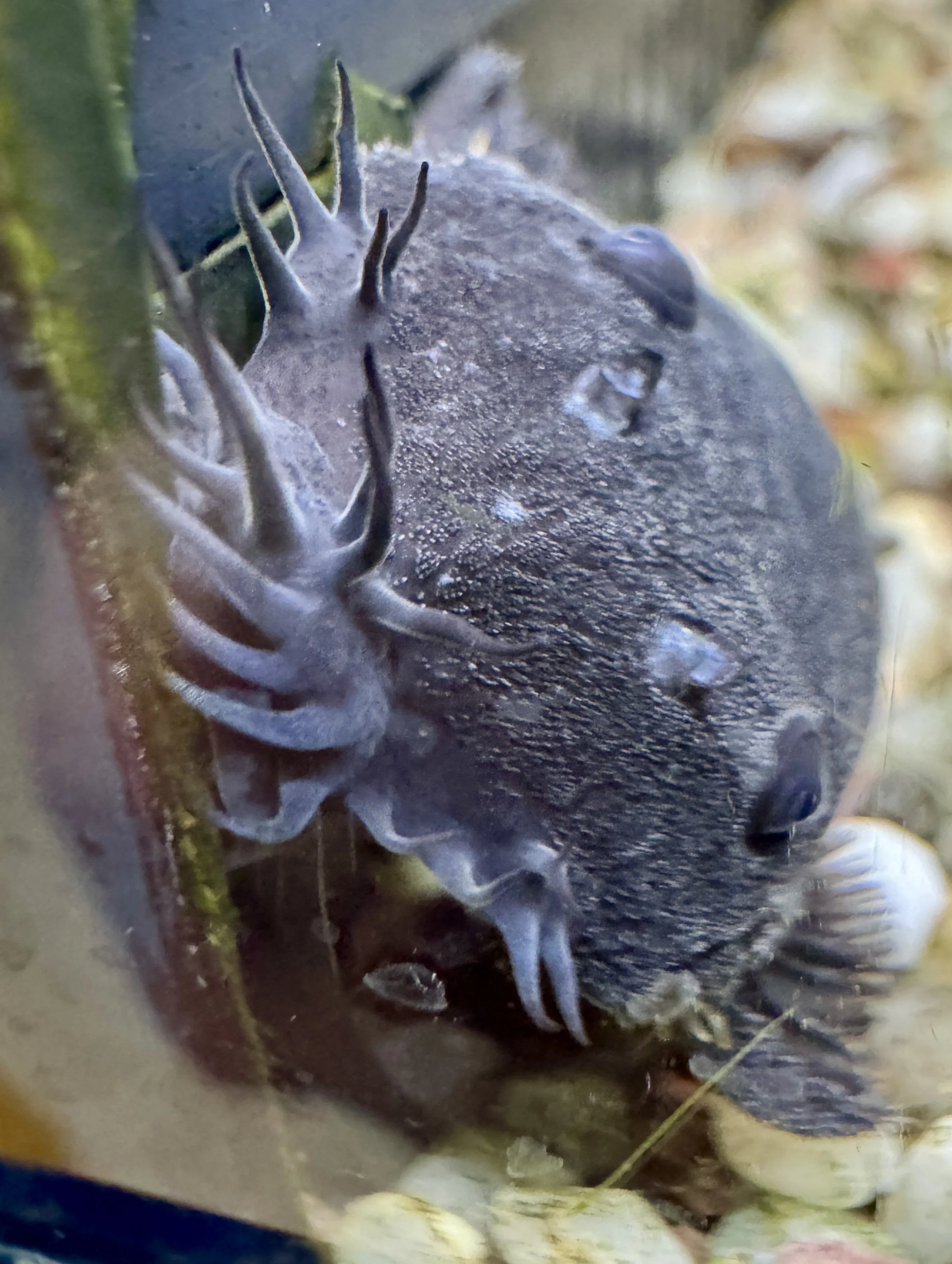
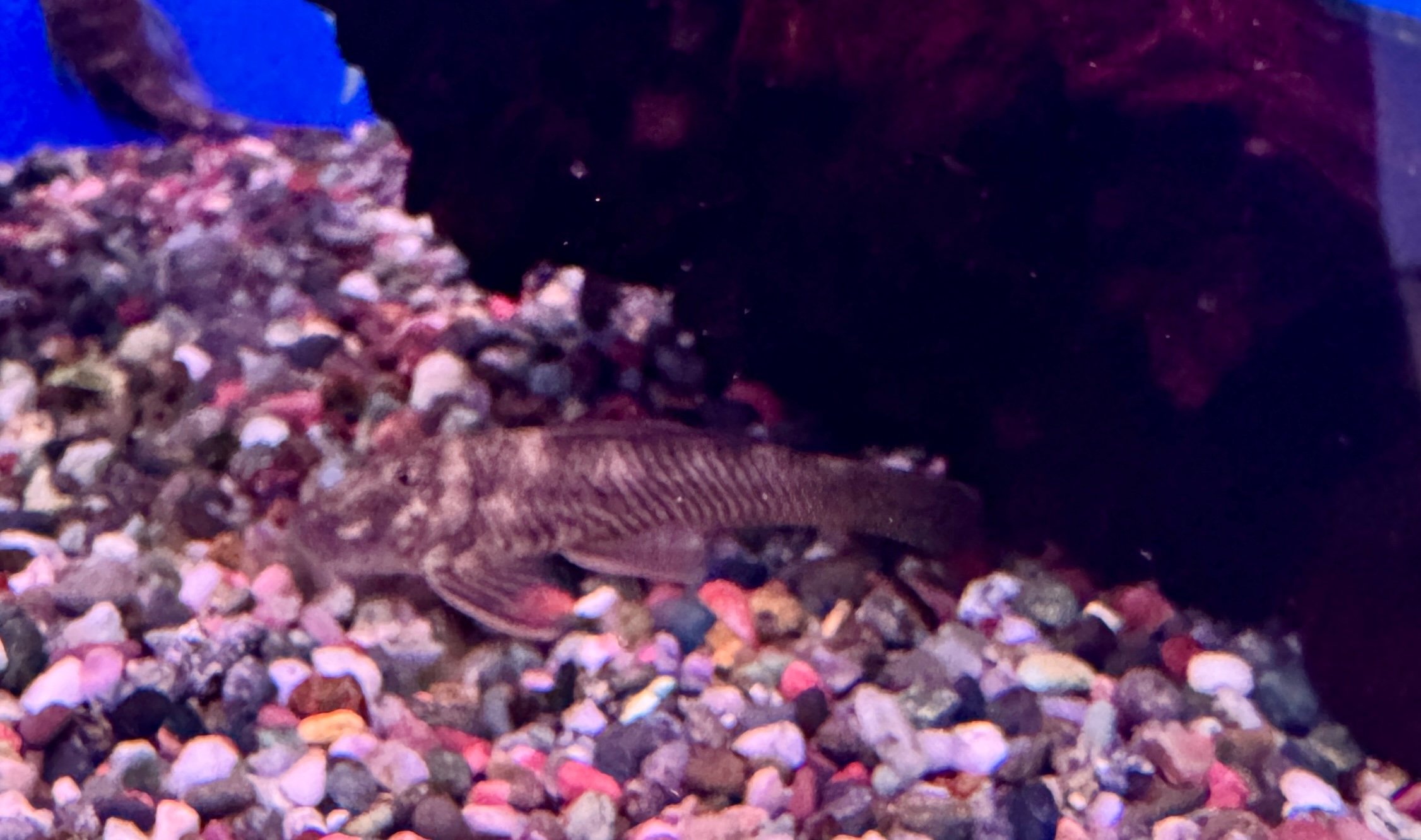
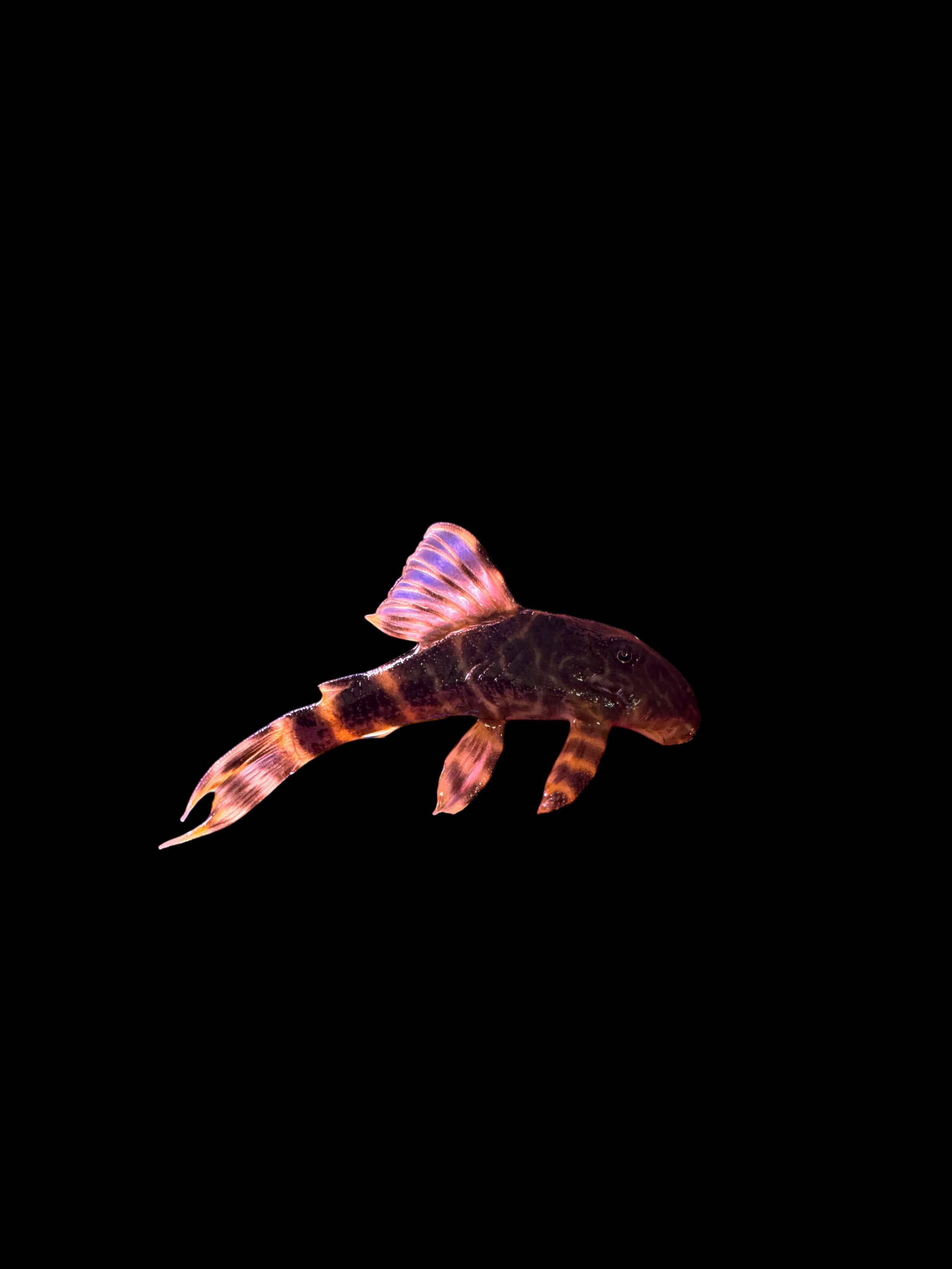
The Medusa Pleco, also known as the L034, is without a doubt one of the most fascinating and unusual fish you can add to your aquarium.

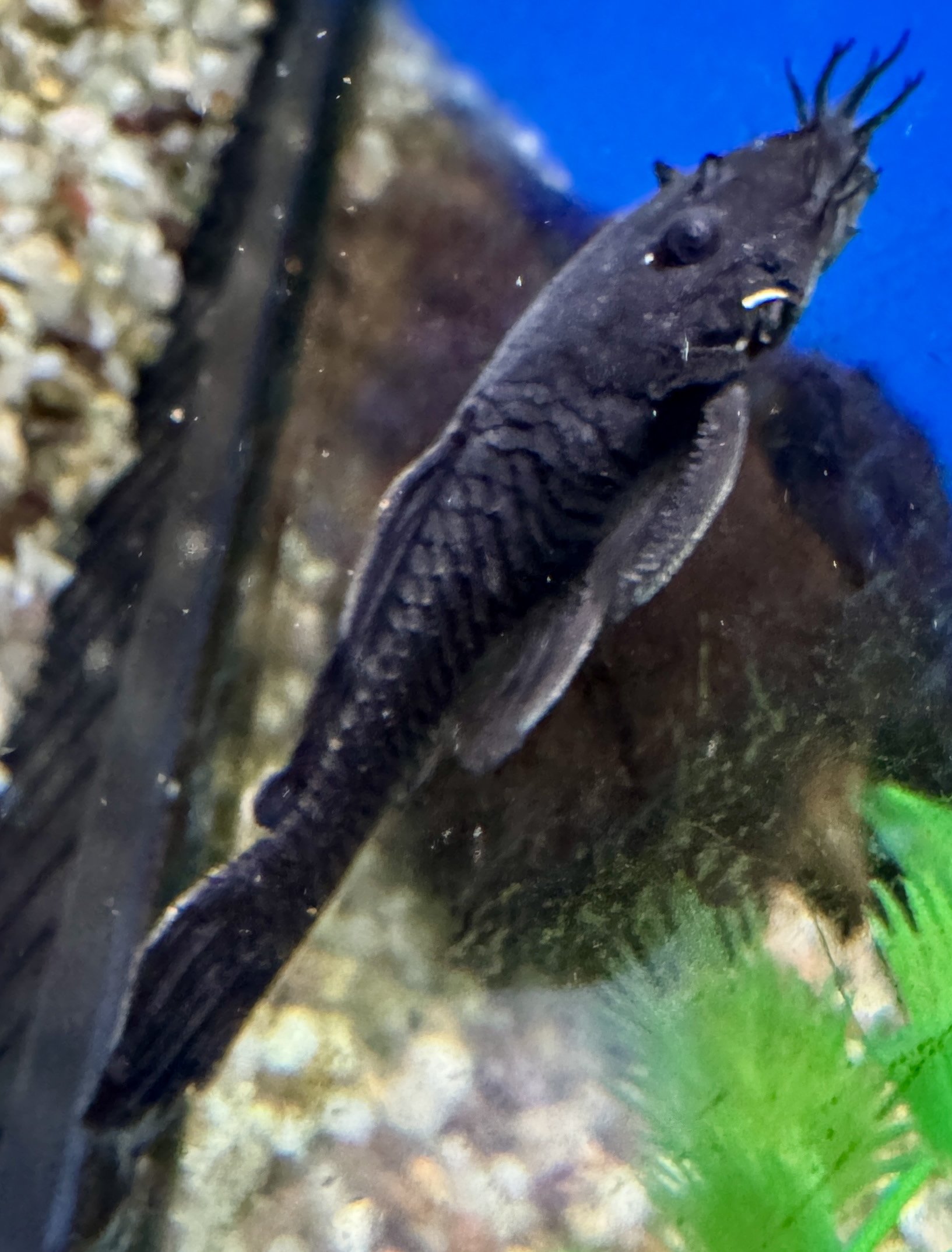
Earning its mythical name from the impressive, wild tangle of fleshy tentacles sprouting from its wide snout—which are especially prominent on the males—this quirky little catfish is a guaranteed conversation starter!

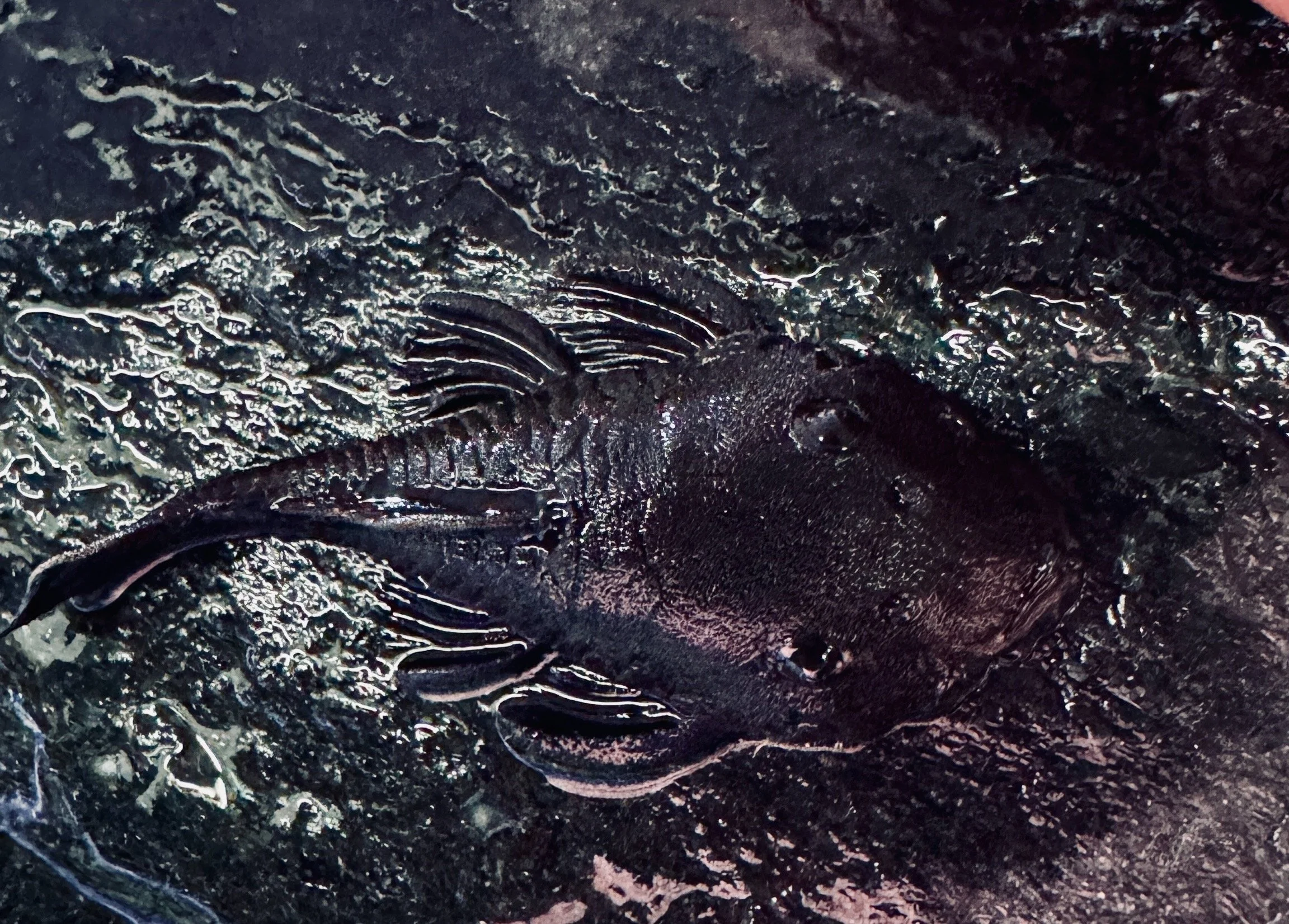
Originally hailing from the fast-flowing rivers of Brazil, they have a wonderfully flattened, dark grey to black body that helps them cling to rocks in strong currents.

Growing to a very manageable 10-13cm, they won't outgrow your tank like some larger pleco species can.

They are generally peaceful characters that happily mind their own business, making them brilliant bottom-dwelling companions for a community setup.

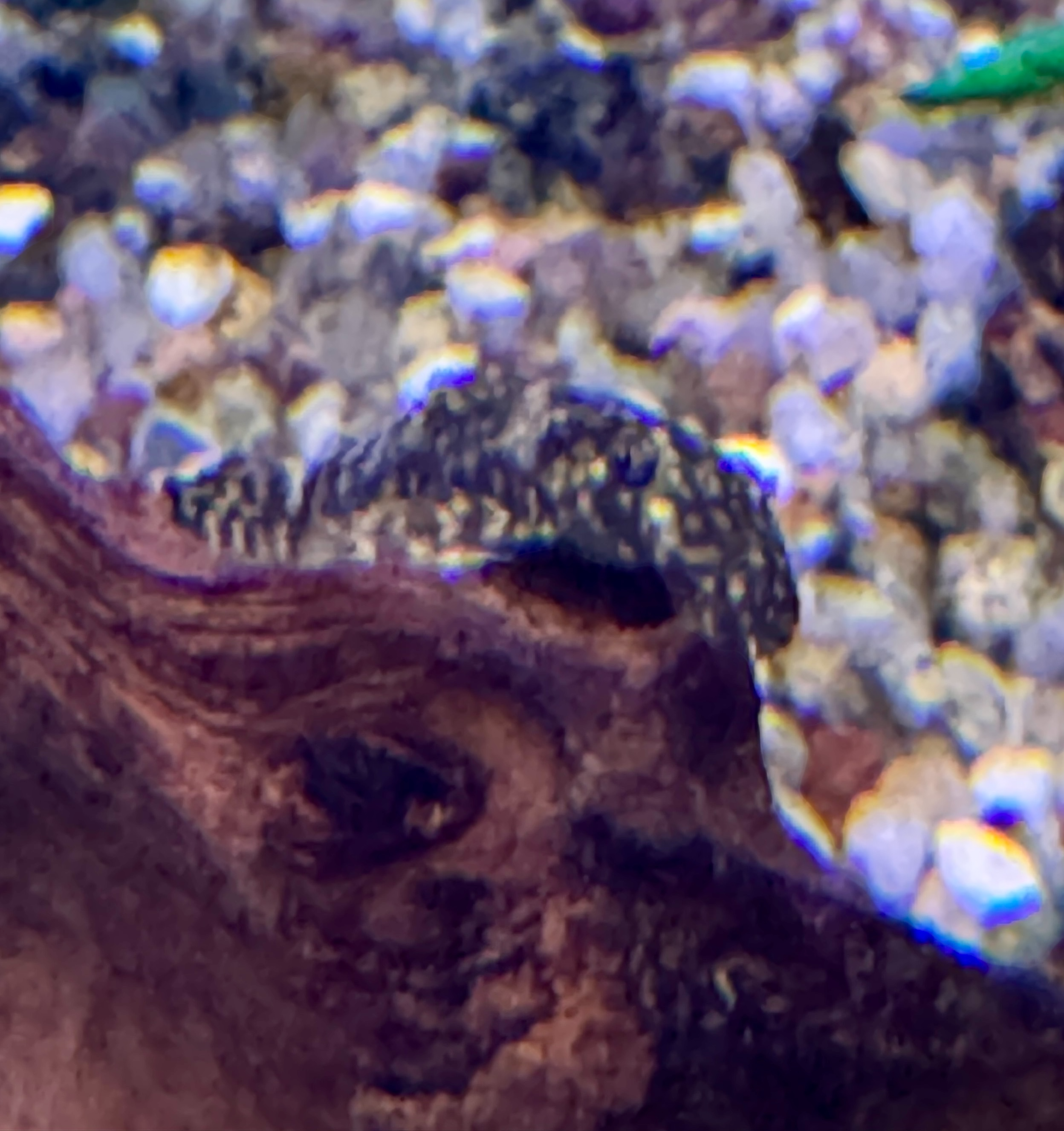
Looking after a Medusa Pleco is a highly rewarding experience, provided you give them the right environment. Because they come from river rapids, they absolutely love clean, highly oxygenated water with a good bit of flow, along with plenty of rocky caves and driftwood where they can tuck themselves away safely during the day.

When it comes to dinner time, they are a bit different from your average algae-eating pleco; they actually prefer a much meatier diet! You'll want to treat them to sinking carnivore pellets, frozen bloodworms, and brine shrimp, alongside the occasional slice of fresh courgette.

If you're looking for something truly unique for your tank, pop down to Pet Aqua—Simon and the team would love to chat with you about setting up the perfect home for one of these brilliant little oddball.

The Medusa Pleco, also known as the L034, is without a doubt one of the most fascinating and unusual fish you can add to your aquarium.

Earning its mythical name from the impressive, wild tangle of fleshy tentacles sprouting from its wide snout—which are especially prominent on the males—this quirky little catfish is a guaranteed conversation starter!

Originally hailing from the fast-flowing rivers of Brazil, they have a wonderfully flattened, dark grey to black body that helps them cling to rocks in strong currents.

Growing to a very manageable 10-13cm, they won't outgrow your tank like some larger pleco species can.

They are generally peaceful characters that happily mind their own business, making them brilliant bottom-dwelling companions for a community setup.

Looking after a Medusa Pleco is a highly rewarding experience, provided you give them the right environment. Because they come from river rapids, they absolutely love clean, highly oxygenated water with a good bit of flow, along with plenty of rocky caves and driftwood where they can tuck themselves away safely during the day.

When it comes to dinner time, they are a bit different from your average algae-eating pleco; they actually prefer a much meatier diet! You'll want to treat them to sinking carnivore pellets, frozen bloodworms, and brine shrimp, alongside the occasional slice of fresh courgette.

If you're looking for something truly unique for your tank, pop down to Pet Aqua—Simon and the team would love to chat with you about setting up the perfect home for one of these brilliant little oddball.

Medusa Pleco - L034 - Ancistrus ranunculus

Scientific Name: Ancistrus ranunculus

Common Name: Medusa Pleco, L034

Family: Loricariidae

Origin: South America, specifically the clear, fast-flowing waters of the Xingu and Tocantins River basins in Brazil

Size: Up to 5 inches (13 cm)

Lifespan: 10-15 years

Diet: Omnivorous with a carnivorous preference; unlike many other bristlenose plecos, they require a protein-rich diet including bloodworms, brine shrimp, and sinking carnivore pellets, supplemented with occasional vegetable matter

Temperament: Generally peaceful, though they can be territorial with other bottom dwellers or plecos over caves and hiding spots

Water Parameters: Temperature: 77-84°F (25-29°C) pH: 6.0-7.4 Hardness: 2-15 dGH

Tank Size: Minimum 30 gallons Compatibility: Excellent with most peaceful to semi-aggressive mid-to-top dwelling fish such as tetras, rasboras, corydoras, and dwarf cichlids