
"Understanding Food Allergies in Your Dog"
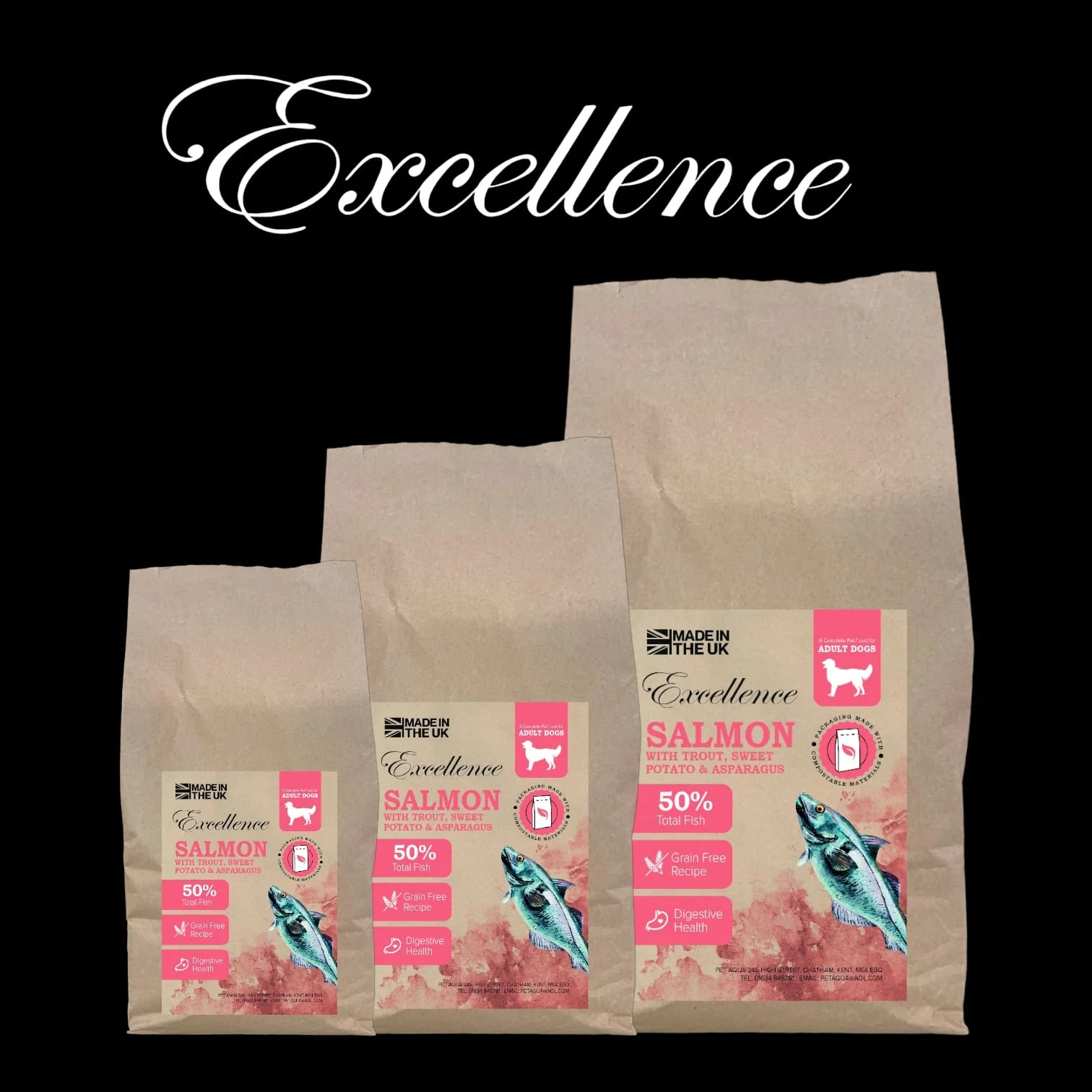
Excellence Grain Free Salmon, Sweet Potato and Asparagus - Pet Aqua Chatham Kent Medway
Understanding Food Allergies in Dogs: A Complete Guide for Pet Owners
Food allergies in dogs are more common than many pet owners realise, affecting countless canine companions across the UK. If you've noticed your furry friend constantly scratching, chewing their paws, or displaying unusual symptoms, they may be suffering from a food allergy. Understanding the signs, causes, and solutions can make a world of difference to your dog's quality of life.
What Are Food Allergies in Dogs?
A food allergy occurs when a dog's immune system mistakenly identifies a particular ingredient in their diet as harmful, triggering an adverse reaction. Unlike food intolerances, which typically cause digestive upset, true food allergies involve the immune system and can manifest in various ways throughout the body. These allergies can develop at any age, though they most commonly appear in dogs between one and five years old.
Common Symptoms of Food Allergies
Recognising the symptoms of food allergies is the first step towards helping your dog. Watch out for these telltale signs:
Skin-Related Symptoms:
Persistent itching and scratching, particularly around the face, ears, paws, and underbelly
Constant biting or chewing at paws or skin
Red, inflamed, or irritated skin
Development of hot spots or sore patches
Recurrent ear infections
Poor coat quality, often appearing dull or patchy
Hair loss in affected areas
Digestive Symptoms:
Vomiting
Diarrhoea or loose stools
Increased flatulence
Frequent bowel movements
Other Signs:
Excessive licking of various body parts
Watery eyes
Swelling of the face, ears, or throat
Chronic or recurrent paw infections
It's worth noting that skin-related symptoms are by far the most common manifestation of food allergies in dogs, affecting approximately 80% of allergic dogs.
Most Common Food Allergens
Whilst dogs can develop allergies to virtually any ingredient, certain proteins and grains are more frequently responsible. The most common culprits include:
Beef - The most common allergen in dogs
Dairy products - Including milk, cheese, and yoghurt
Chicken - Despite being a popular protein source
Wheat and grains - Including corn, soy, and wheat gluten
Eggs
Lamb - Often used in "sensitive" formulas but can still cause reactions
Soy
Interestingly, dogs are more likely to develop allergies to proteins they've been exposed to regularly over time, which is why even previously tolerated foods can suddenly become problematic.
Diagnosis: How to Identify Food Allergies
Diagnosing food allergies can be challenging, as the symptoms often mimic other conditions such as environmental allergies, parasites, or skin infections. Your vet may recommend:
Elimination Diet Trial: This is the gold standard for diagnosing food allergies. It involves feeding your dog a novel protein and carbohydrate source (ingredients they've never eaten before) for 8-12 weeks. If symptoms improve, you'll gradually reintroduce previous ingredients one at a time to identify the specific allergen. This process requires patience and strict adherence – even a single treat containing the allergen can invalidate the results.
Veterinary Consultation: Always consult your vet before making significant dietary changes. They can rule out other conditions and guide you through the diagnostic process safely.
Managing and Treating Food Allergies
Once you've identified your dog's food allergy, management becomes key to ensuring their comfort and health:
1. Switch to a Hypoallergenic Diet
Choose a high-quality food formulated for sensitive dogs. Look for:
Limited ingredient lists
Novel or single protein sources
Grain-free options (if grains are the suspected allergen)
No artificial additives or fillers
For example, a salmon-based kibble can be an excellent choice, as fish is less commonly associated with allergies compared to beef or chicken. Excellence's 50% salmon-based kibble with sweet potato and Asparagus offers a grain-free, hypoallergenic option that's gentle on sensitive tummies whilst providing complete nutrition.
2. Maintain Dietary Consistency
Once you've found a food that works, stick with it. Avoid:
Table scraps
Treats containing potential allergens
Sharing food with other pets
Allowing access to outdoor food sources
3. Read Labels Carefully
Many commercial treats and foods contain hidden allergens. Always check ingredient lists thoroughly, and opt for single-ingredient treats when possible.
4. Consider Nutritional Supplements
Adding supplements can support your dog's recovery and overall health:
Omega-3 fatty acids - Such as those found in cold pressed hemp oil, can dramatically reduce inflammation and improve skin and coat health
Probiotics - Support digestive health and may help manage allergic responses
Vitamin E - Supports skin healing
5. Address Secondary Infections
Food allergies often lead to secondary skin or ear infections due to constant scratching and compromised skin barriers. Your vet may prescribe antibiotics or antifungal medications to clear these up whilst you address the underlying allergy.
Prevention and Long-Term Management
Whilst you can't always prevent food allergies from developing, you can take steps to minimise risk and manage existing conditions:
Rotate proteins gradually in puppies to reduce the likelihood of developing sensitivities
Choose high-quality foods with identifiable, whole ingredients
Avoid over-vaccinating or over-medicating, which can stress the immune system
Maintain regular vet check-ups to catch problems early
Keep a food diary to track any reactions or symptoms
The Importance of Palatability
One challenge many pet owners face when switching to hypoallergenic diets is persuading fussy eaters to accept the change. Dogs with food allergies may have developed negative associations with mealtimes, particularly if eating has previously caused discomfort. This is where the quality and taste of the food become crucial.
Premium recipes made with freshly prepared ingredients, such as fresh salmon, are naturally more appealing to dogs. The addition of stock to create a rich gravy can entice even the most reluctant eaters. Remember, a hypoallergenic diet only works if your dog will actually eat it, so finding a palatable option is essential for successful long-term management.
When to Seek Professional Help
Contact your vet immediately if your dog experiences:
Severe swelling, particularly around the face or throat
Difficulty breathing
Sudden onset of severe symptoms
Symptoms that don't improve with dietary changes
Signs of secondary infections
Finding the Right Food for Your Allergic Dog
Managing food allergies doesn't mean compromising on nutrition or taste. Modern hypoallergenic dog foods are formulated to be both therapeutic and delicious, using high-quality ingredients that support optimal health whilst eliminating common allergens.
When shopping for your allergic dog, look for specialist pet retailers who understand the unique needs of dogs with sensitivities. Knowledgeable staff can guide you through ingredient lists, explain the benefits of different formulations, and help you find the perfect match for your furry friend.
Conclusion
Food allergies in dogs can be frustrating and distressing for both pets and owners, but with proper diagnosis, careful management, and the right diet, your dog can live a happy, comfortable, and symptom-free life. The key is patience, consistency, and choosing high-quality, appropriate nutrition that addresses your dog's specific needs.
If you suspect your dog has food allergies, don't despair. With the wealth of excellent hypoallergenic options available today, relief is within reach. Your dog deserves to enjoy their meals without discomfort, and with the right approach, that's entirely achievable.
For expert advice on managing your dog's food allergies and access to premium hypoallergenic foods, visit Pet Aqua on Chatham High Street or browse our selection online at pet-aqua.co.uk. Our team is here to help you find the perfect solution for your beloved companion.
Remember: Always consult with your veterinarian before making significant changes to your dog's diet or if you suspect they have food allergies. This blog is for informational purposes and should not replace professional veterinary advice.
Excellence Salmon, Sweet Potato & Asparagus.
Excellence's 50% salmon-based kibble with sweet potato and asparagus is an exceptional choice for dogs suffering from food allergies. If your dog is constantly biting or chewing their paws or skin, developing sore spots, or displaying a dull coat and irritated skin, these are often tell-tale signs of food sensitivities. This carefully crafted, grain-free recipe eliminates common allergens whilst providing high-quality protein from salmon, a naturally hypoallergenic ingredient that's gentle on sensitive tummies.
The addition of sweet potato offers easily digestible carbohydrates, whilst asparagus provides antioxidant support. For even greater health benefits, adding cold pressed hemp oil to this already nutritious kibble can dramatically improve your dog's overall wellbeing, supporting healthy skin, a lustrous coat, and reducing inflammation.
What truly sets Excellence apart is its commitment to using freshly prepared salmon, combined with carefully selected stock to create a delicious, gravy-rich meal that even the fussiest of dogs simply can't resist. Made with real, fresh meat rather than processed alternatives, this premium recipe not only addresses dietary sensitivities but also tantalises even the most discerning canine palate.
You can find Excellence at Pet Aqua, conveniently located on Chatham High Street, where our knowledgeable staff can offer advice on your pet's nutritional needs. Alternatively, shop from the comfort of your home at pet-aqua.co.uk and have this exceptional food delivered straight to your door. Give your pets the relief they deserve whilst treating them to a meal they'll genuinely love.
Puppy - https://pet-aqua.co.uk/excellence-grain-free-for-dogs-puppies/p/grain-free-puppy-salmon-haddock-blue-whiting
Puppy Large Breed - https://pet-aqua.co.uk/excellence-grain-free-for-dogs-puppies/p/excellence-grain-free-large-breed-puppy-salmon-sweet-potato-and-vegetables
Small Breed - https://pet-aqua.co.uk/excellence-grain-free-for-dogs-puppies/p/excellence-small-breed-salmon-trout-sweet-potato-and-asparagus-grain-free
Adult Medium Breed - https://pet-aqua.co.uk/excellence-grain-free-for-dogs-puppies/p/excellence-grain-free-adult-salmon-sweet-potato-and-asparagus
Adult Large Breed - https://pet-aqua.co.uk/excellence-grain-free-for-dogs-puppies/p/excellence-grain-free-large-breed-adult-salmon-sweet-potato-and-asparagus