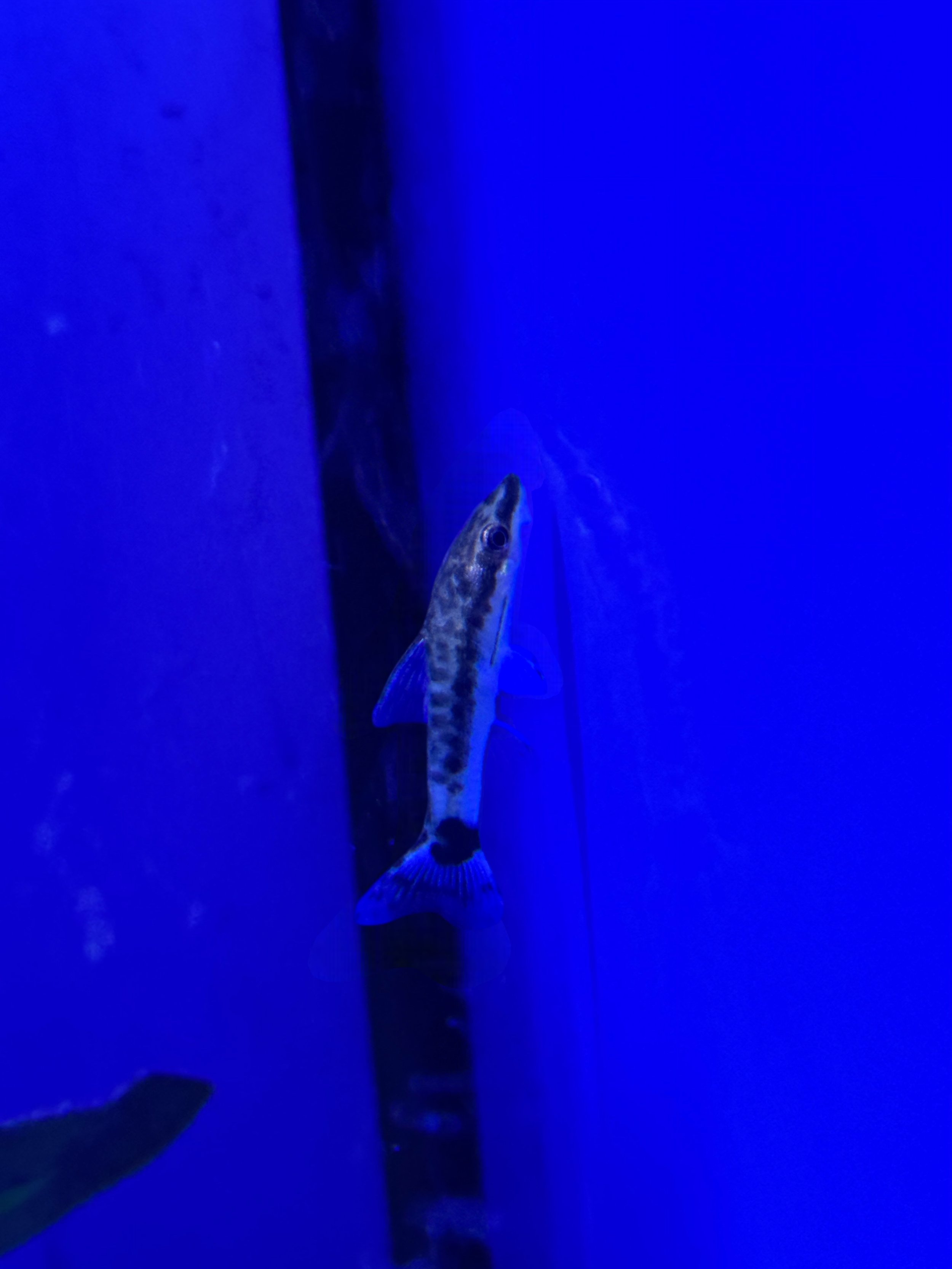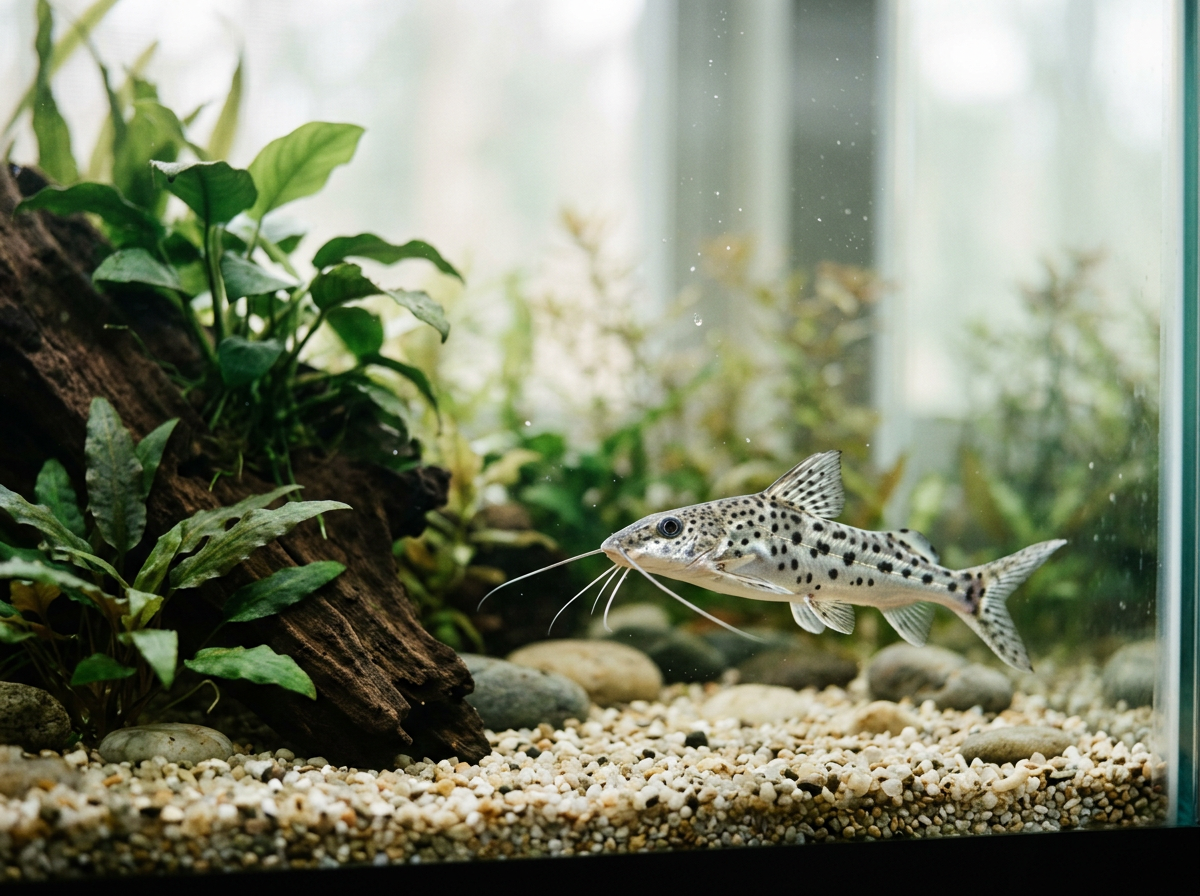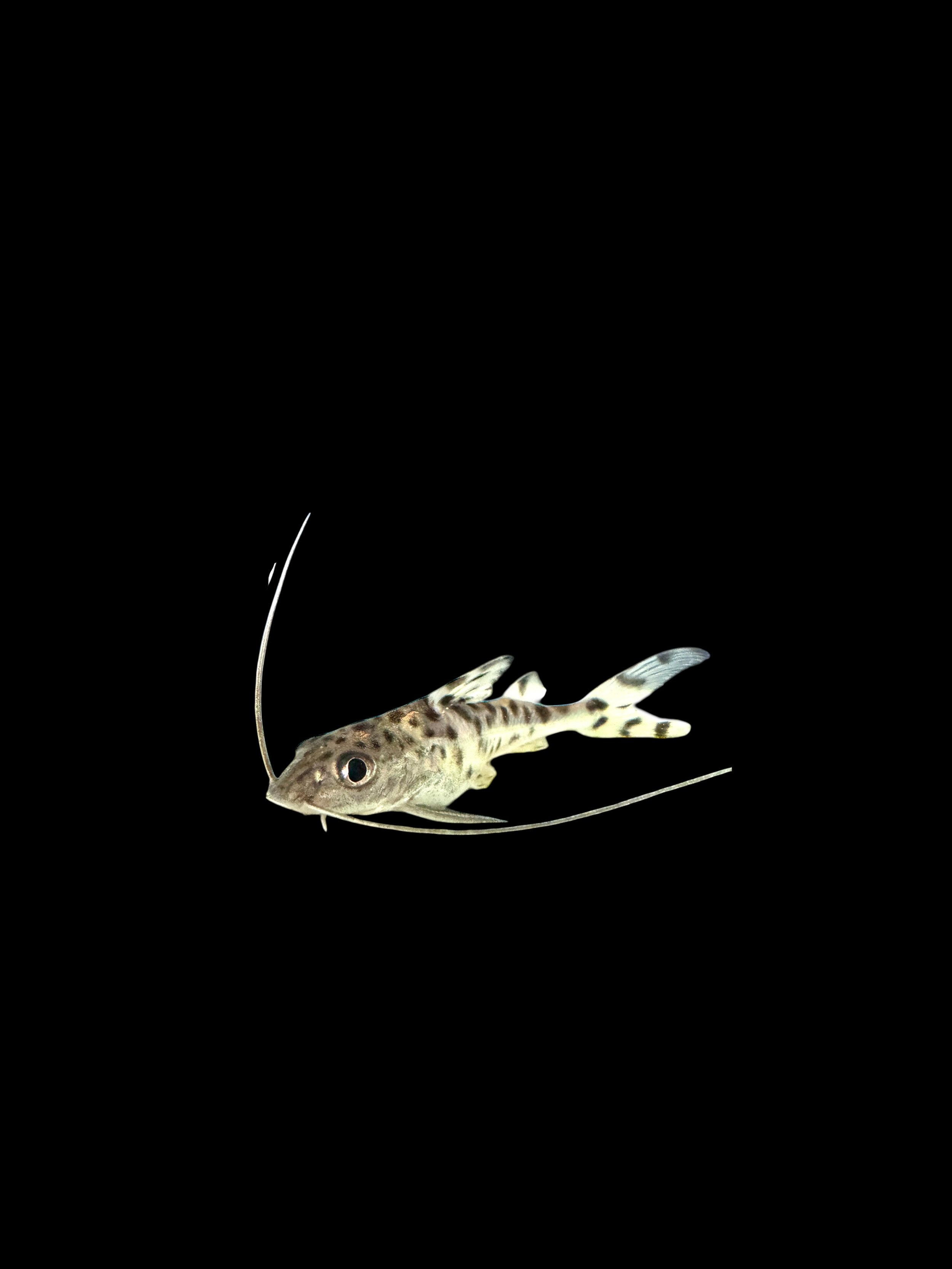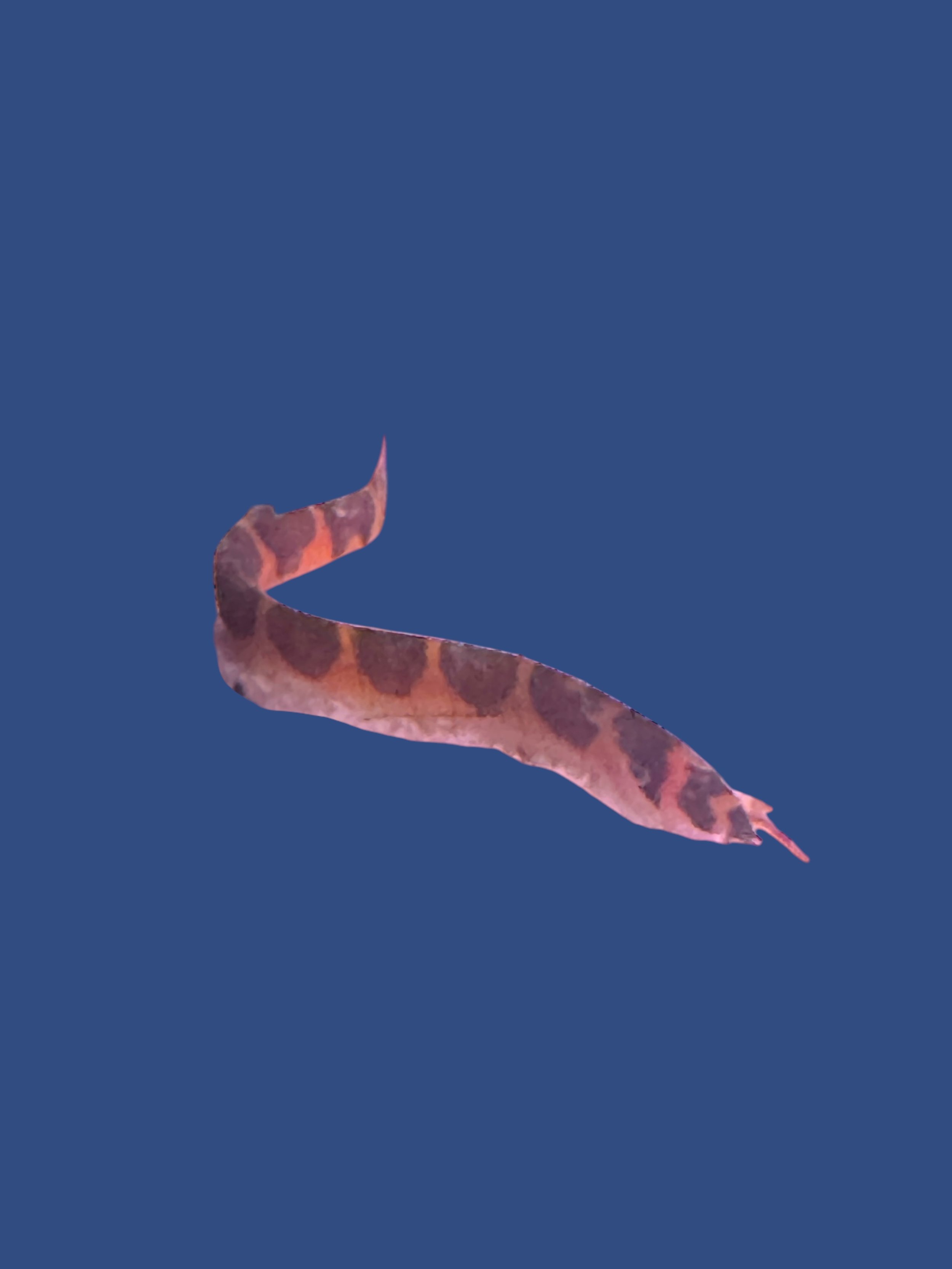
Giant Kuhli Loach - Pangio myersi 2- 3cm.

from £3.99

The Pangio myersi, commonly known as the Giant Kuhli Loach or Myers' Loach, is a fascinating eel-like catfish native to the blackwater streams and rivers of Southeast Asia, particularly Thailand and Myanmar. True to its name, this species is notably larger than the standard Kuhli Loach, reaching an impressive 10-12 centimetres in length.

These nocturnal bottom-dwellers display an attractive pattern of dark brown to black vertical bands alternating with pale yellow or cream sections along their elongated, serpentine bodies.

Their smooth, scaleless skin and barbels around their mouths give them a distinctive appearance, whilst their peaceful, retiring nature makes them intriguing additions to community aquariums, though their secretive habits mean they're often more appreciated by the dedicated aquarist than casual observers.

Like all loaches, Giant Kuhlis are highly social and should be kept in groups of six or more, where they'll occasionally emerge from hiding to forage together, creating an impressive sight as they weave through the substrate.

They are accomplished burrowers and require a soft sandy substrate to protect their delicate, scale-free bodies, along with plenty of hiding spots amongst driftwood, rocks, and plant cover where they'll spend most of the daylight hours.

These efficient scavengers accept sinking pellets, wafers, and relish frozen foods such as bloodworms, brine shrimp, and daphnia.

With excellent water quality and varied diet, Giant Kuhli Loaches can live 10-15 years, making them long-term companions for patient aquarists who appreciate their unique, secretive charm in peaceful community settings.

Qty:

The Pangio myersi, commonly known as the Giant Kuhli Loach or Myers' Loach, is a fascinating eel-like catfish native to the blackwater streams and rivers of Southeast Asia, particularly Thailand and Myanmar. True to its name, this species is notably larger than the standard Kuhli Loach, reaching an impressive 10-12 centimetres in length.

These nocturnal bottom-dwellers display an attractive pattern of dark brown to black vertical bands alternating with pale yellow or cream sections along their elongated, serpentine bodies.

Their smooth, scaleless skin and barbels around their mouths give them a distinctive appearance, whilst their peaceful, retiring nature makes them intriguing additions to community aquariums, though their secretive habits mean they're often more appreciated by the dedicated aquarist than casual observers.

Like all loaches, Giant Kuhlis are highly social and should be kept in groups of six or more, where they'll occasionally emerge from hiding to forage together, creating an impressive sight as they weave through the substrate.

They are accomplished burrowers and require a soft sandy substrate to protect their delicate, scale-free bodies, along with plenty of hiding spots amongst driftwood, rocks, and plant cover where they'll spend most of the daylight hours.

These efficient scavengers accept sinking pellets, wafers, and relish frozen foods such as bloodworms, brine shrimp, and daphnia.

With excellent water quality and varied diet, Giant Kuhli Loaches can live 10-15 years, making them long-term companions for patient aquarists who appreciate their unique, secretive charm in peaceful community settings.

Scientific name: Pangio myersi

Common name: Giant Kuhli Loach, Myers' Loach

Adult Size: 4 to 6 inches (10 to 15 cm)

Temperature Range: 72 to 79°F (22 to 26°C)

pH Range: 6.0 to 7.5

Compatibility: Generally peaceful and can be kept with other peaceful fish. They are social and do best in groups of at least 3 to 5 individuals. They can be shy and may hide if kept alone or in small numbers.

Minimum Tank Size: 75 liters, but a larger tank is better for a group

Originates from: Southeast Asia, specifically Indonesia and Malaysia

Ideal Substrate: Fine sand or small, smooth gravel. They enjoy burrowing, so a soft substrate is essential.

Ideal Tank Mates Suggestions: Peaceful fish such as Tetras, Barbs, Danios, and other small, community fish. They can also coexist with other bottom-dwelling fish like Corydoras and other Kuhli Loaches.

Fish to avoid: Aggressive or large fish that might see the Giant Kuhli Loach as food, and species that are overly boisterous or competitive for food.

Diet: Omnivorous; they will eat a variety of foods including high-quality sinking pellets, live food (such as bloodworms and brine shrimp), and frozen food. They also enjoy algae and can help keep the tank clean. Provide a diet rich in both plant and animal matter.

Breeding: Breeding the Giant Kuhli Loach in captivity is challenging and not commonly achieved. They are egg layers and typically scatter their eggs on the substrate or among plants. Providing a well-structured tank with plenty of hiding spots and clean water conditions can encourage breeding, but success is not guaranteed.