Amano Shrimp — Caridina multidentata 2-3CM

from £4.35
Sold Out

The Caridina multidentata, commonly known as the Amano Shrimp, is a freshwater shrimp native to the cool, clear, fast-flowing rivers and streams of Japan, Taiwan and Korea. It is also known as the Yamato Shrimp or Japanese Shrimp, and was popularised in the aquarium hobby by the aquascaper Takashi Amano, who used the species for algae control in his Nature Aquarium layouts from the 1980s onwards.

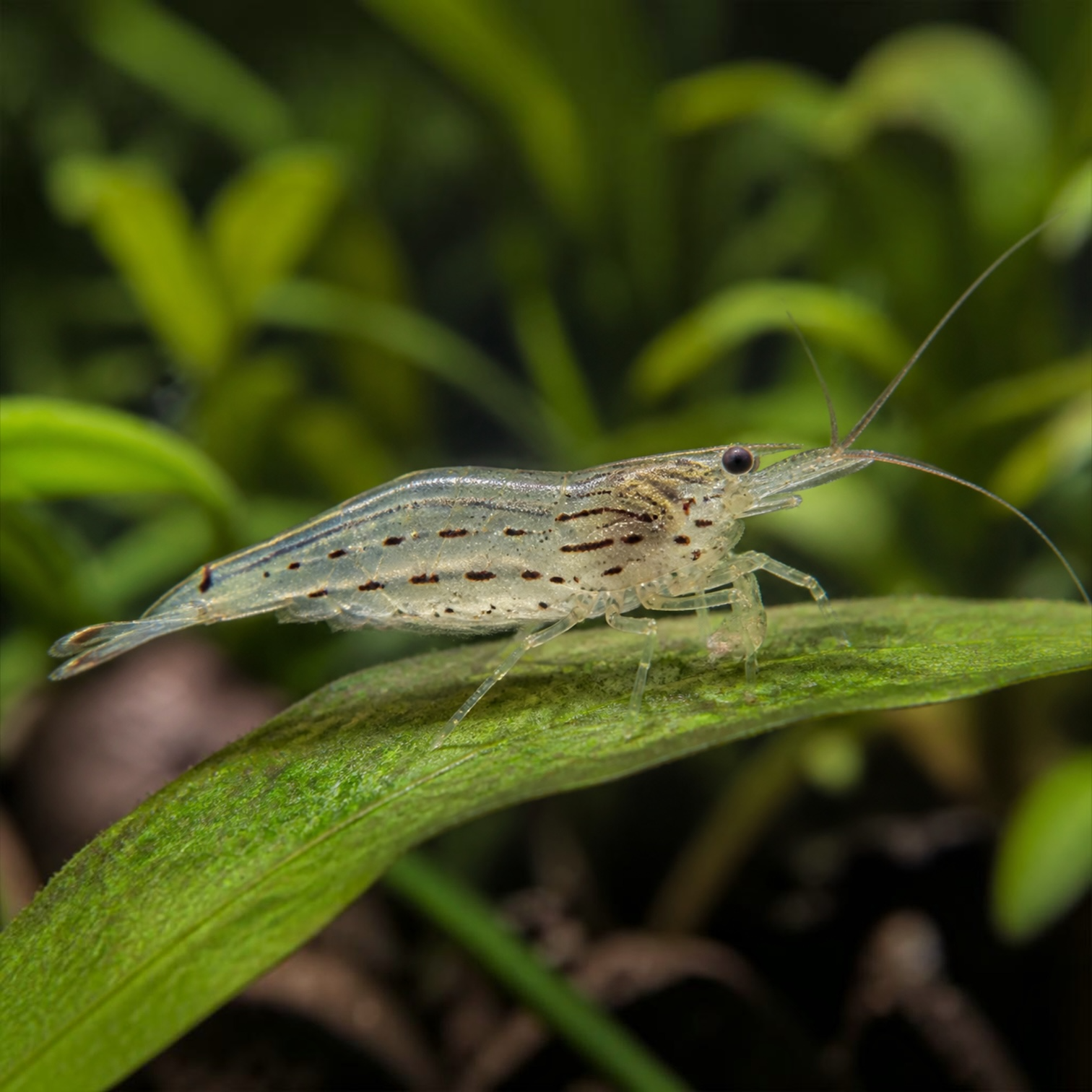
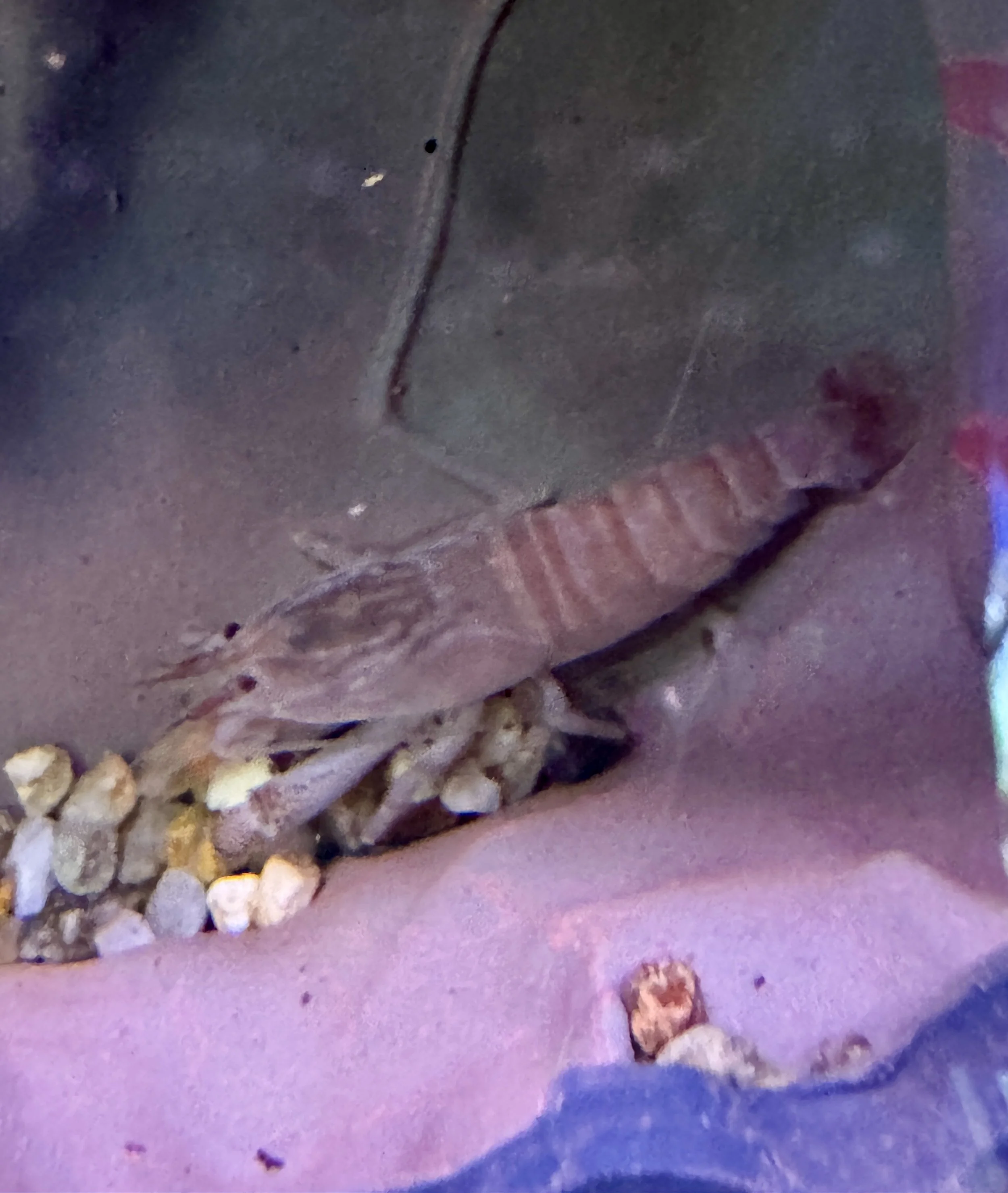
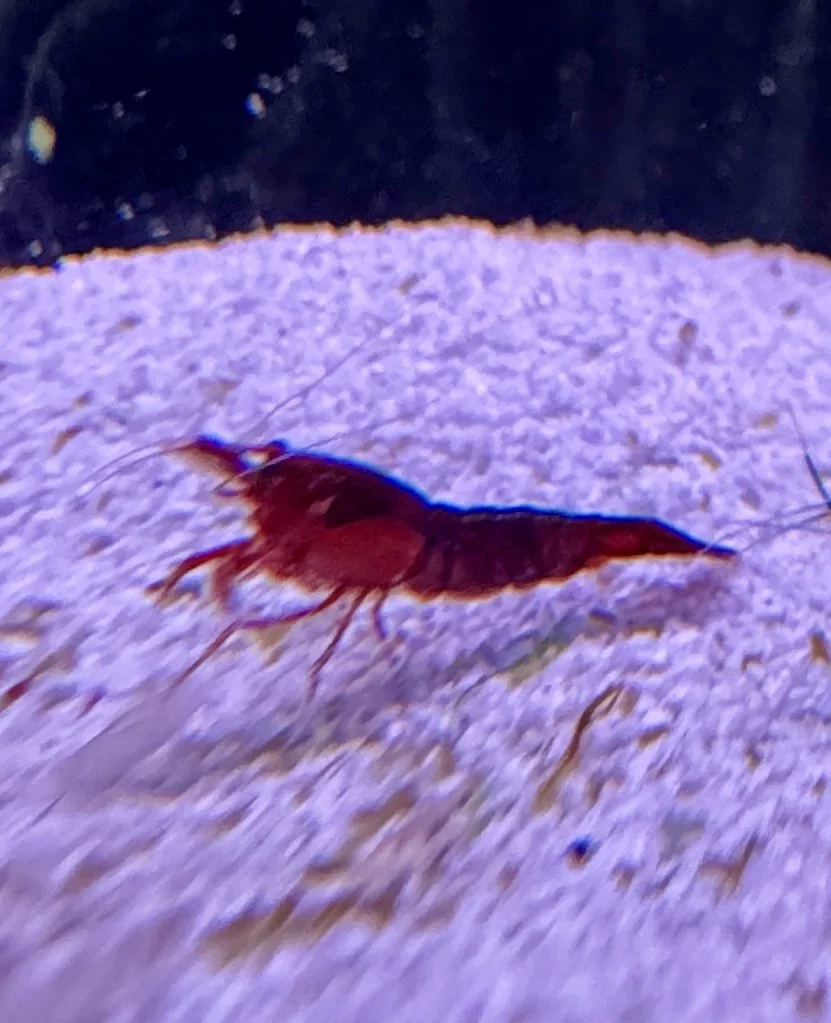
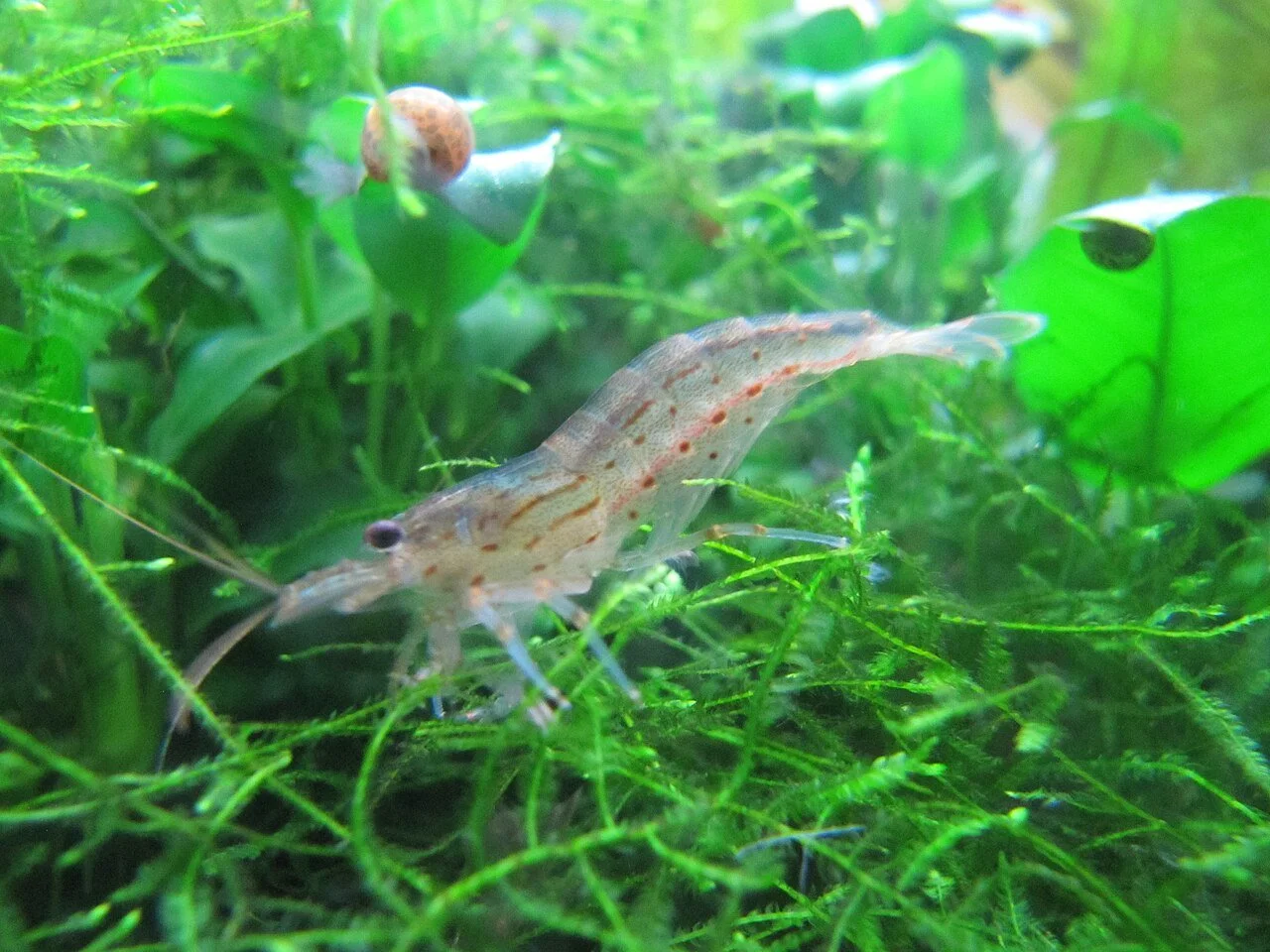
A translucent, glassy-bodied shrimp with a row of distinct reddish-brown dots and short dashes running along each side and a faint pale stripe from head to tail. Growing to around 5 centimetres, it is the largest of the commonly kept Caridina species, which makes it large enough to avoid being eaten by most peaceful community fish. Females grow slightly larger than males and, when carrying eggs, display a more rounded underside.

A peaceful and active grazer that does best in groups of five or more. Amano shrimp are constantly on the move, picking at surfaces for biofilm and algae, and are most active at dawn and dusk. They are completely plant-safe and will not harm healthy plants. They are sensitive to poor water quality and copper — ammonia and nitrite must read zero, and any detectable copper is lethal, so check the ingredients of liquid fertilisers before dosing. They need a mature, cycled aquarium with stable parameters, and adequate minerals for healthy molting. After shedding their exoskeleton they hide until the new shell hardens, so provide plenty of cover. Breeding is difficult in the home aquarium as the larvae require brackish water to develop.

Merits

The Amano Shrimp is widely regarded as the most useful invertebrate in the freshwater hobby, and its reputation as an algae eater is well earned. A group will rapidly work through soft green algae, thread algae, hair algae and biofilm that many fish will not touch, making them one of the few effective controls for stubborn algae types in a planted tank. Their larger size means they hold their own alongside most peaceful community fish where smaller dwarf shrimp would simply become food, and they are more tolerant of parameter variation than cherry shrimp. They are completely plant-safe, hardy, beginner-friendly and entertaining to watch — their constant, busy grazing gives a tank real movement. For any planted aquarium with an algae problem, a squad of Amano shrimp is one of the most practical first steps.

Diet

An omnivore and a heavy algae grazer. In a well-stocked tank they will usually find enough food by grazing on algae, biofilm, detritus and leftover fish food. Where natural food is insufficient, supplement with algae wafers, sinking shrimp pellets and blanched vegetables such as courgette, spinach or cucumber. They will also accept dead plant matter and carrion, helping to keep the tank clean. Avoid overfeeding, as uneaten food fouls the water quickly.

qty:

The Caridina multidentata, commonly known as the Amano Shrimp, is a freshwater shrimp native to the cool, clear, fast-flowing rivers and streams of Japan, Taiwan and Korea. It is also known as the Yamato Shrimp or Japanese Shrimp, and was popularised in the aquarium hobby by the aquascaper Takashi Amano, who used the species for algae control in his Nature Aquarium layouts from the 1980s onwards.

A translucent, glassy-bodied shrimp with a row of distinct reddish-brown dots and short dashes running along each side and a faint pale stripe from head to tail. Growing to around 5 centimetres, it is the largest of the commonly kept Caridina species, which makes it large enough to avoid being eaten by most peaceful community fish. Females grow slightly larger than males and, when carrying eggs, display a more rounded underside.

A peaceful and active grazer that does best in groups of five or more. Amano shrimp are constantly on the move, picking at surfaces for biofilm and algae, and are most active at dawn and dusk. They are completely plant-safe and will not harm healthy plants. They are sensitive to poor water quality and copper — ammonia and nitrite must read zero, and any detectable copper is lethal, so check the ingredients of liquid fertilisers before dosing. They need a mature, cycled aquarium with stable parameters, and adequate minerals for healthy molting. After shedding their exoskeleton they hide until the new shell hardens, so provide plenty of cover. Breeding is difficult in the home aquarium as the larvae require brackish water to develop.

Merits

The Amano Shrimp is widely regarded as the most useful invertebrate in the freshwater hobby, and its reputation as an algae eater is well earned. A group will rapidly work through soft green algae, thread algae, hair algae and biofilm that many fish will not touch, making them one of the few effective controls for stubborn algae types in a planted tank. Their larger size means they hold their own alongside most peaceful community fish where smaller dwarf shrimp would simply become food, and they are more tolerant of parameter variation than cherry shrimp. They are completely plant-safe, hardy, beginner-friendly and entertaining to watch — their constant, busy grazing gives a tank real movement. For any planted aquarium with an algae problem, a squad of Amano shrimp is one of the most practical first steps.

Diet

An omnivore and a heavy algae grazer. In a well-stocked tank they will usually find enough food by grazing on algae, biofilm, detritus and leftover fish food. Where natural food is insufficient, supplement with algae wafers, sinking shrimp pellets and blanched vegetables such as courgette, spinach or cucumber. They will also accept dead plant matter and carrion, helping to keep the tank clean. Avoid overfeeding, as uneaten food fouls the water quickly.

  • Scientific name: Caridina multidentata (formerly Caridina japonica)

  • Adult Size: 1.5 to 2 inches (4 to 5 cm)

  • Temperature Range: 64 to 82°F (18 to 28°C)

  • pH Range: 6.5 to 7.5

  • Compatibility: Peaceful; community-safe with non-predatory fish

  • Minimum Tank Size: 10 gallons (40 litres) for a group

  • Originates from: Japan, Taiwan and Korea

  • Ideal Substrate: Fine sand or smooth gravel with rocks, driftwood and plants

  • Ideal Tank Mates Suggestions: Neon tetras, ember tetras, harlequin rasboras, honey gouramis, pygmy Corydoras, Otocinclus, and other peaceful community fish; avoid large or aggressive predators