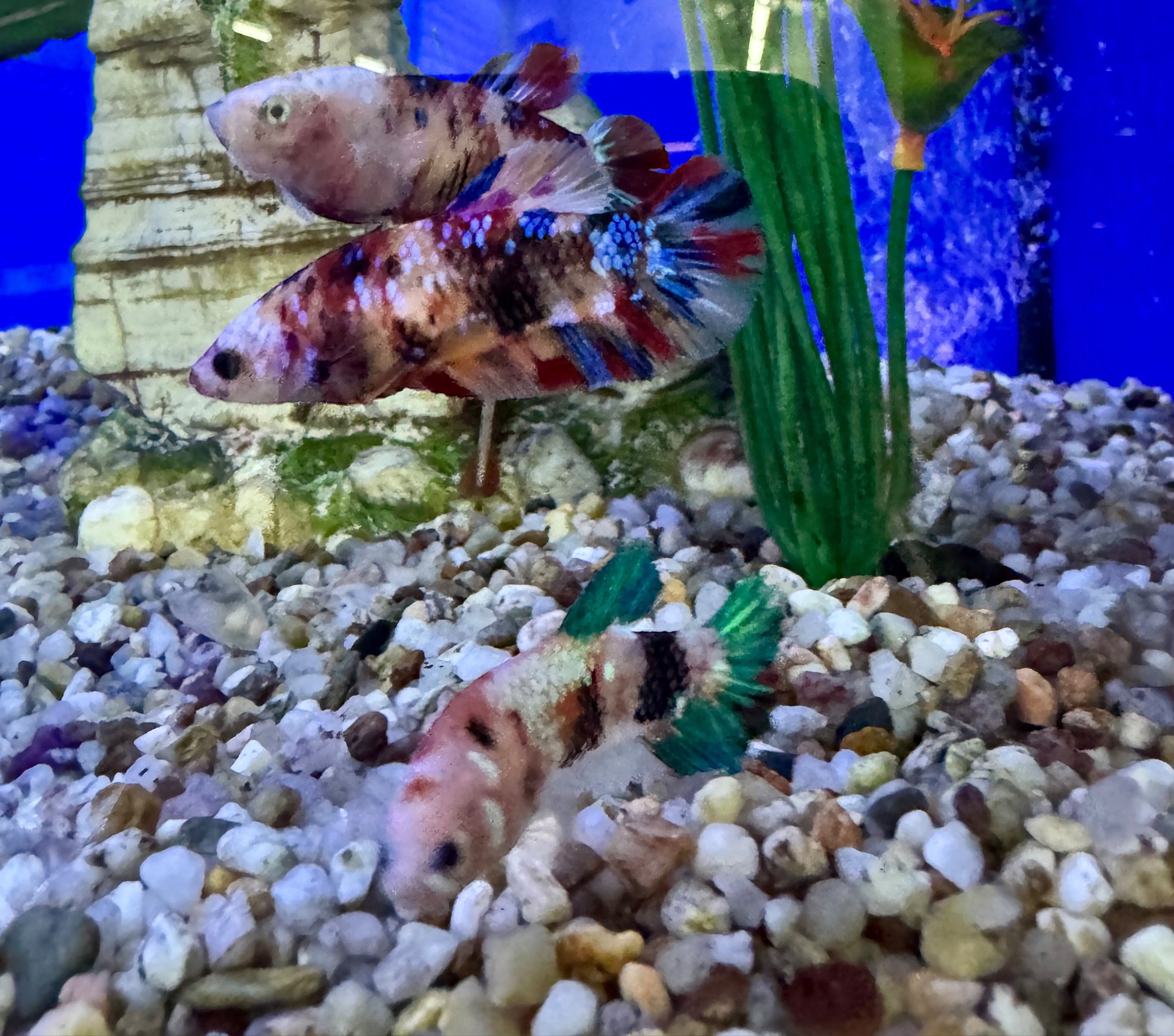
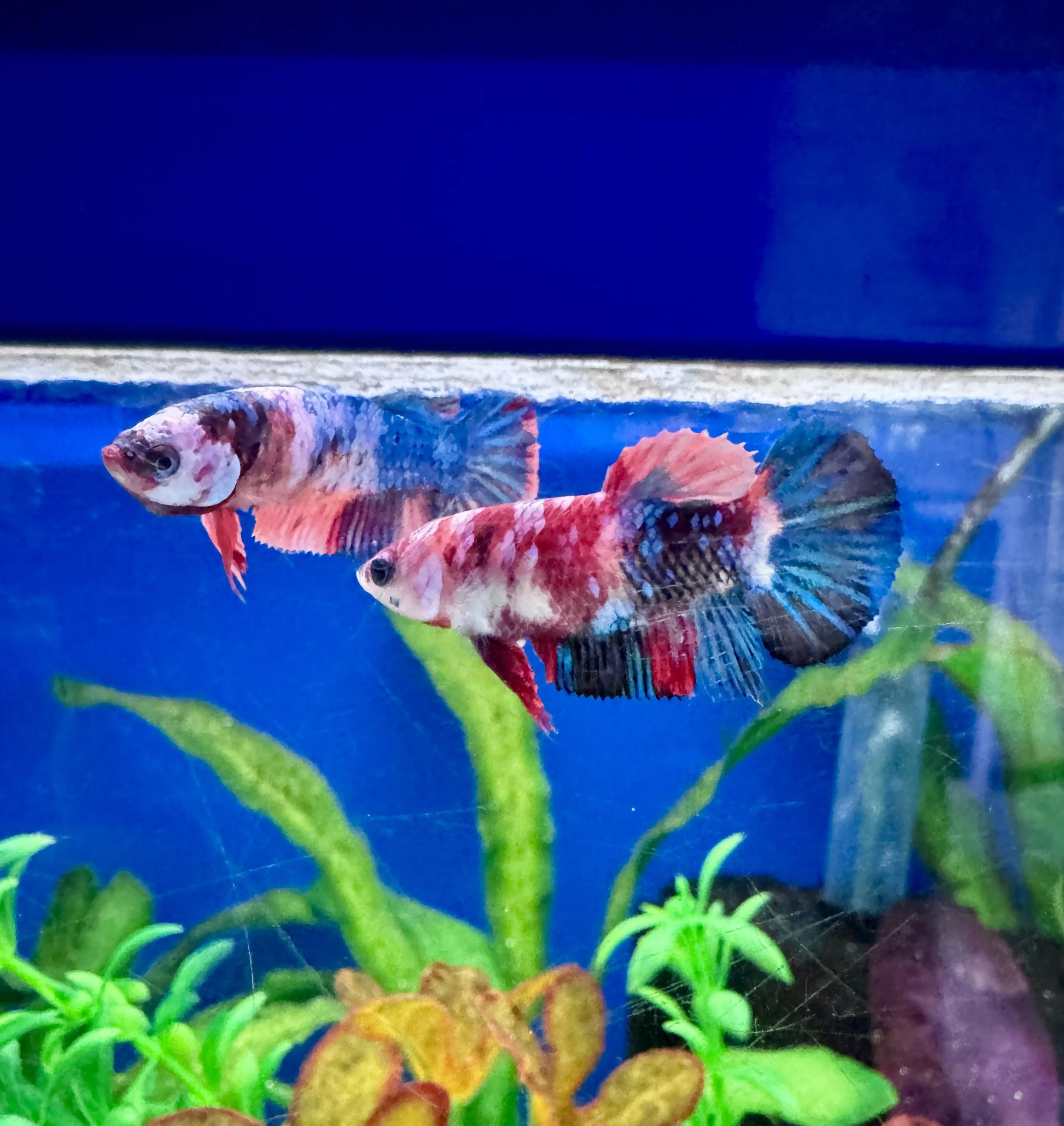
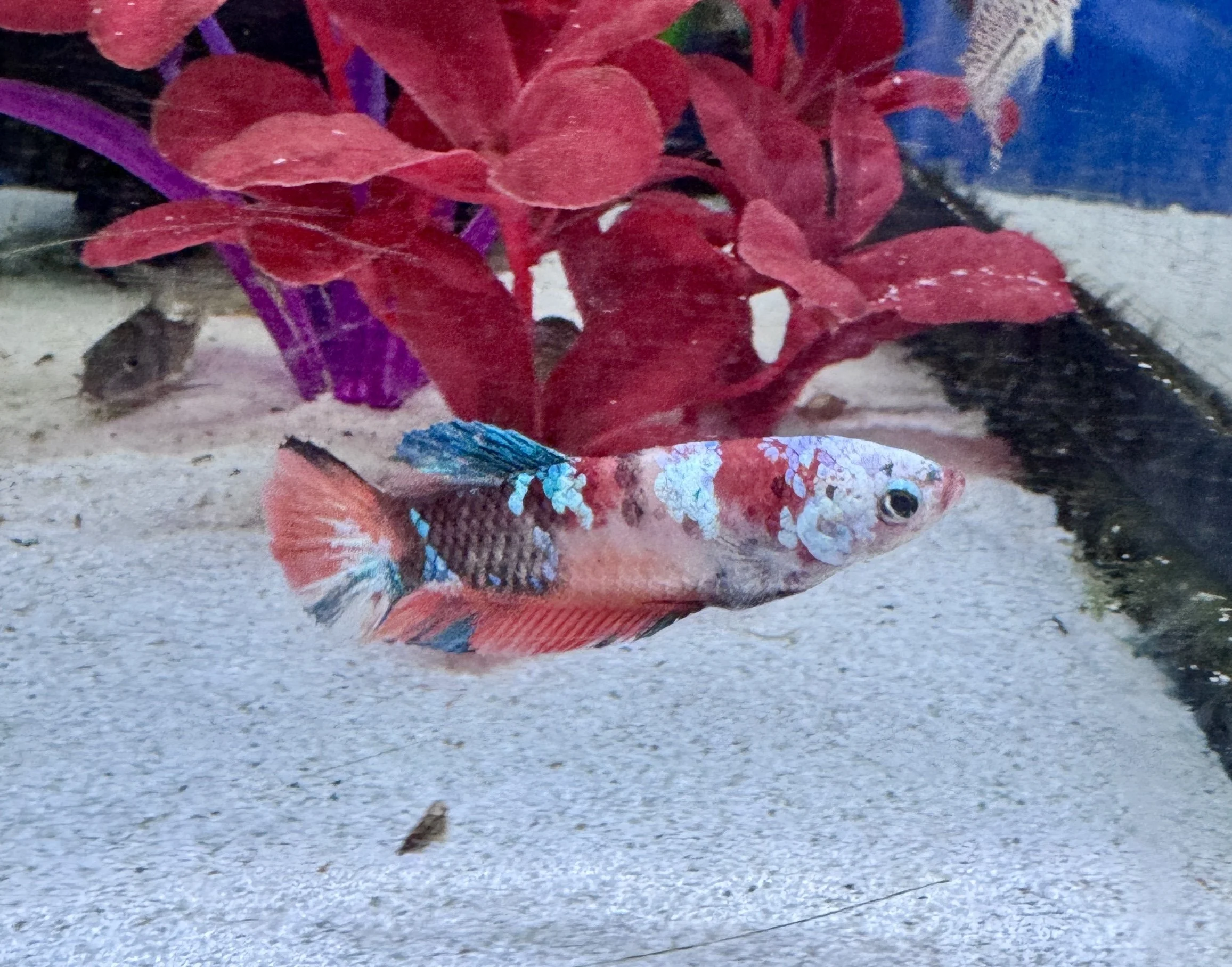
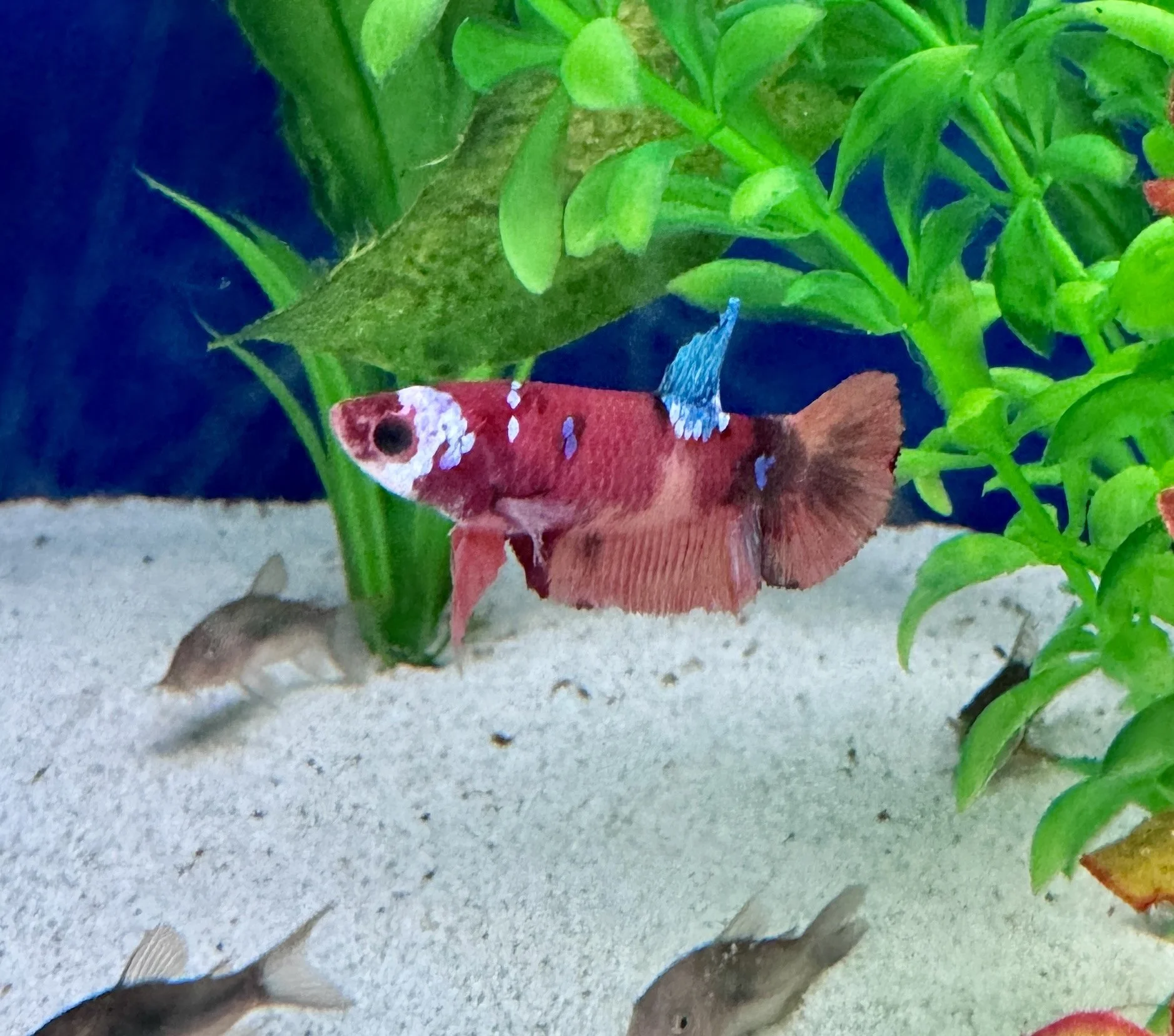
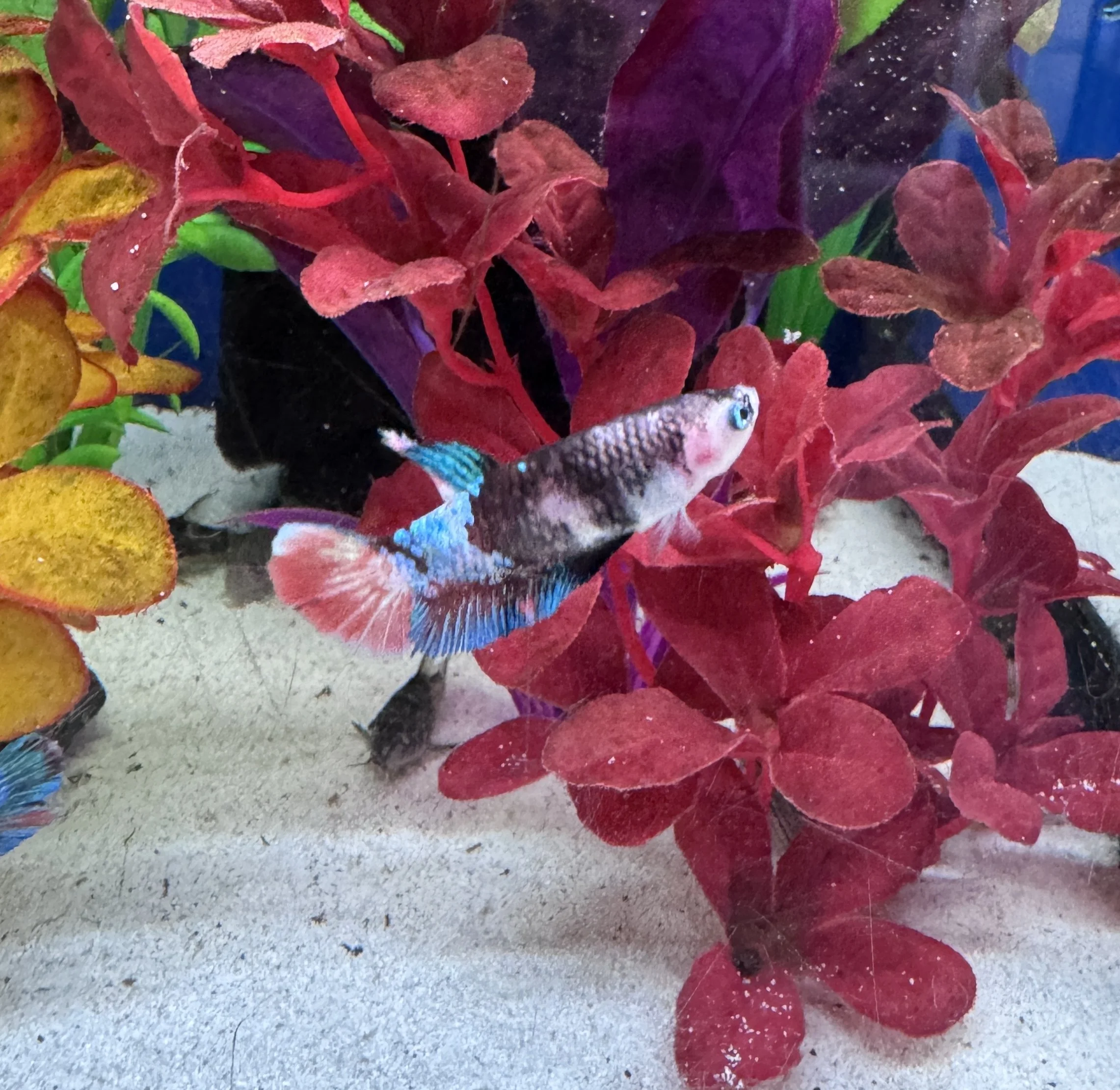
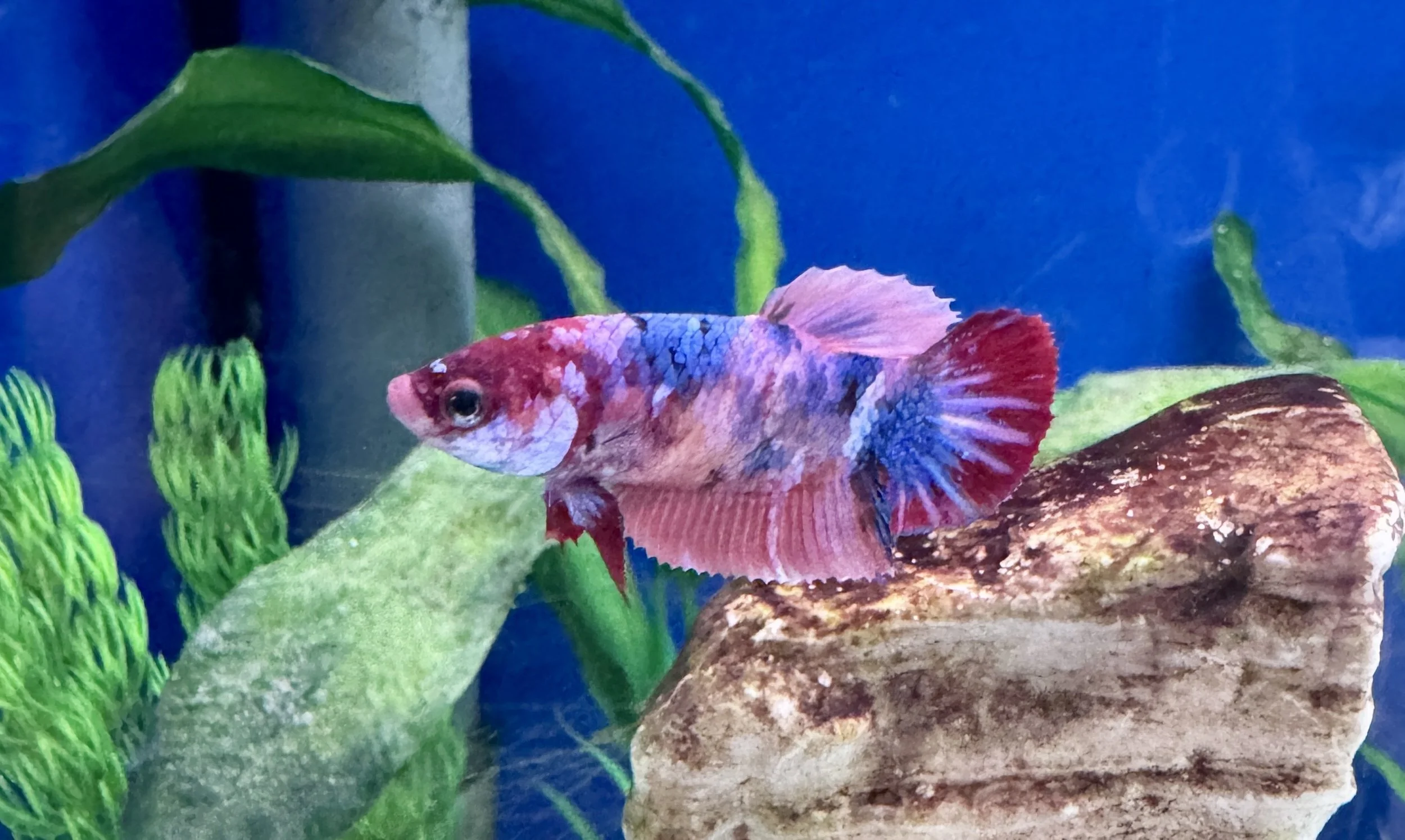
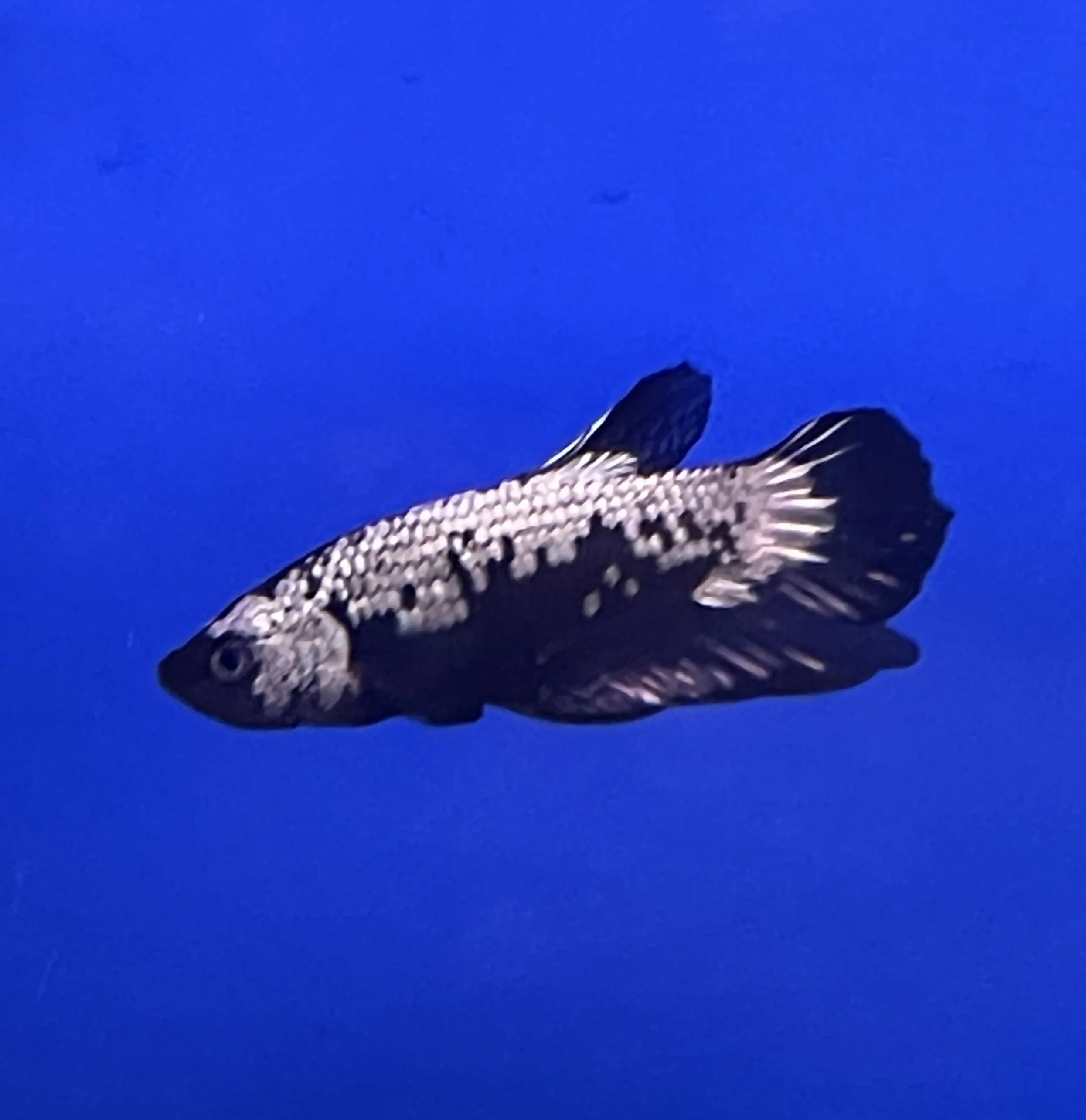
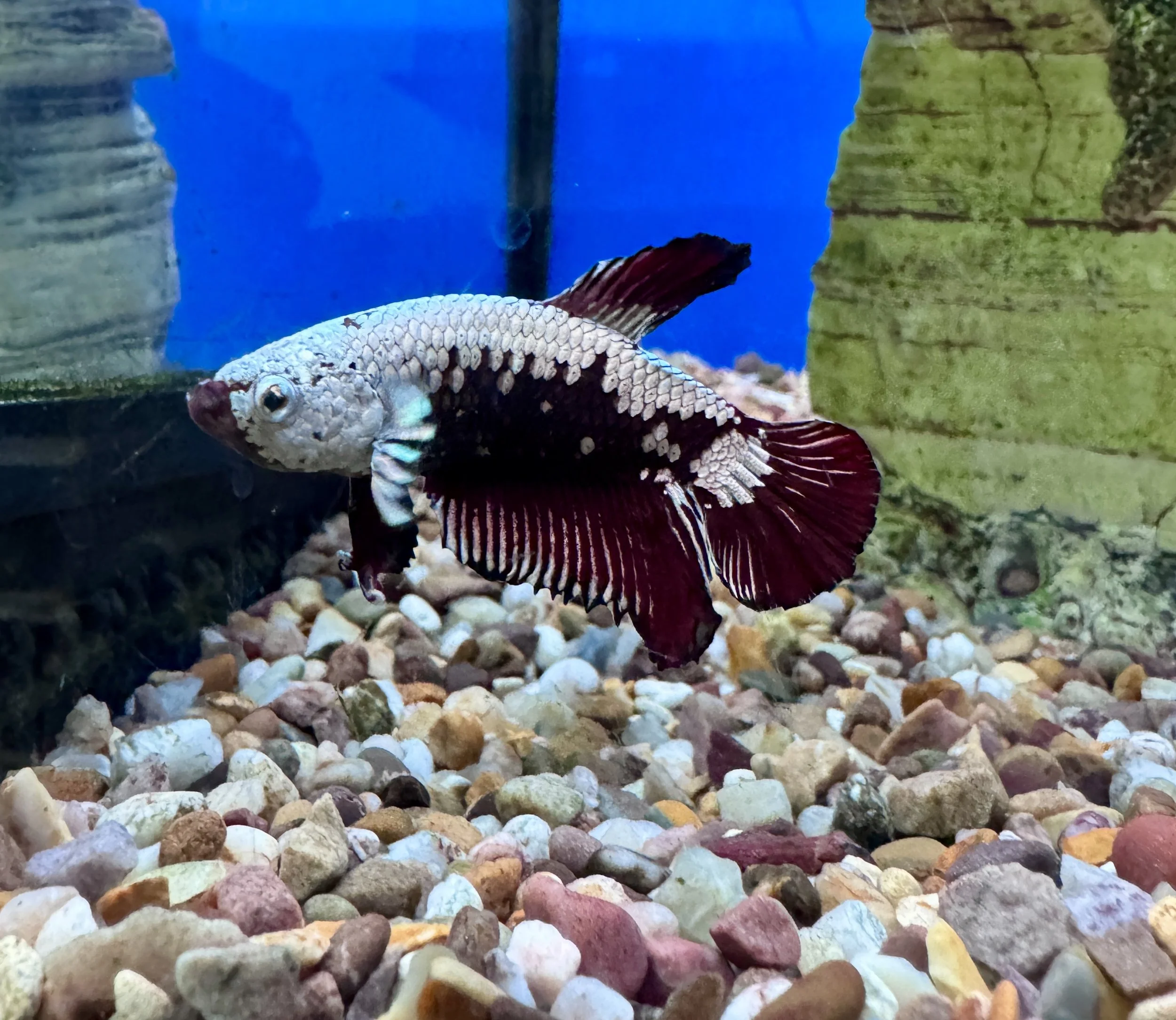
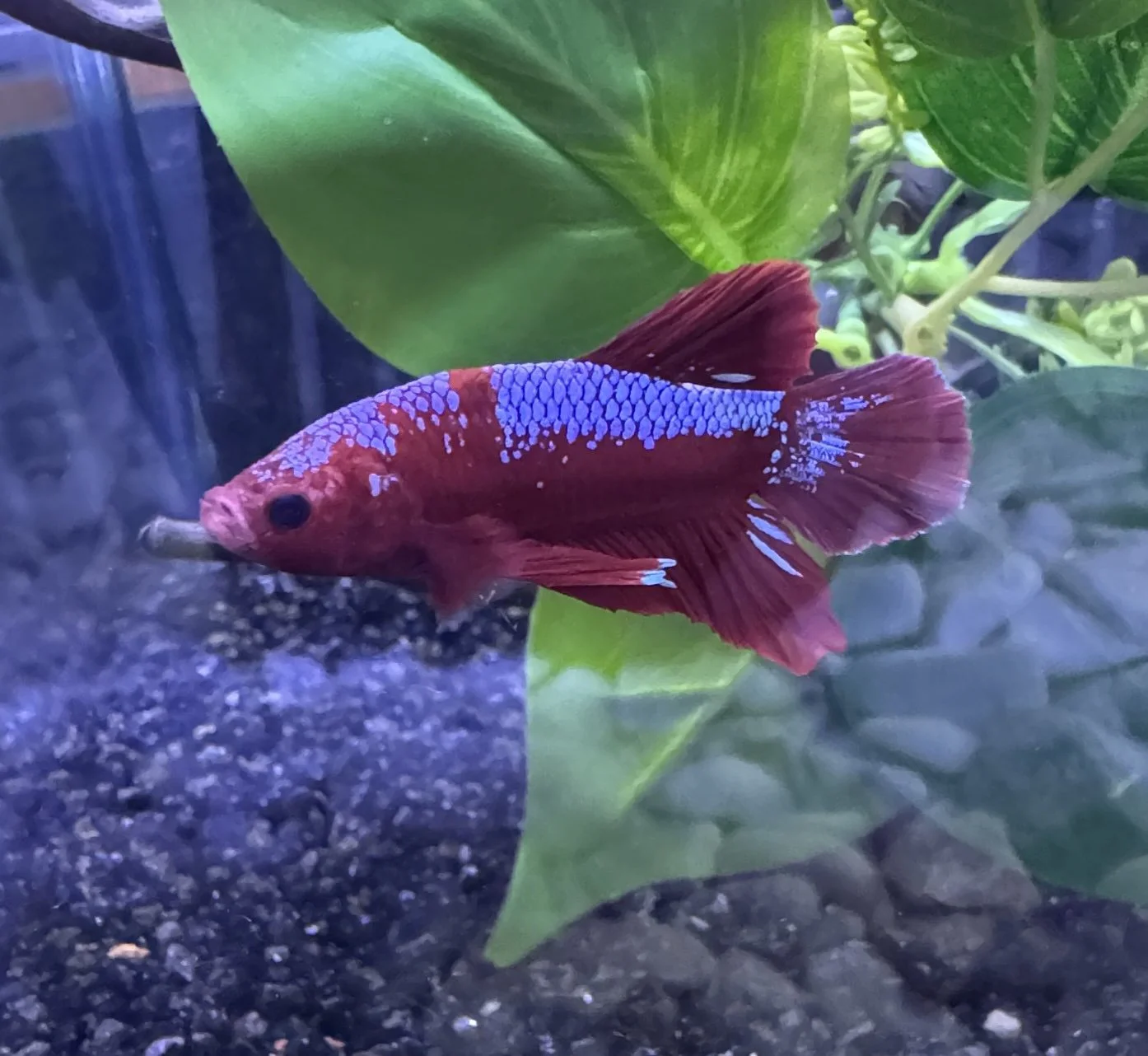
Scientific Name: Betta splendens
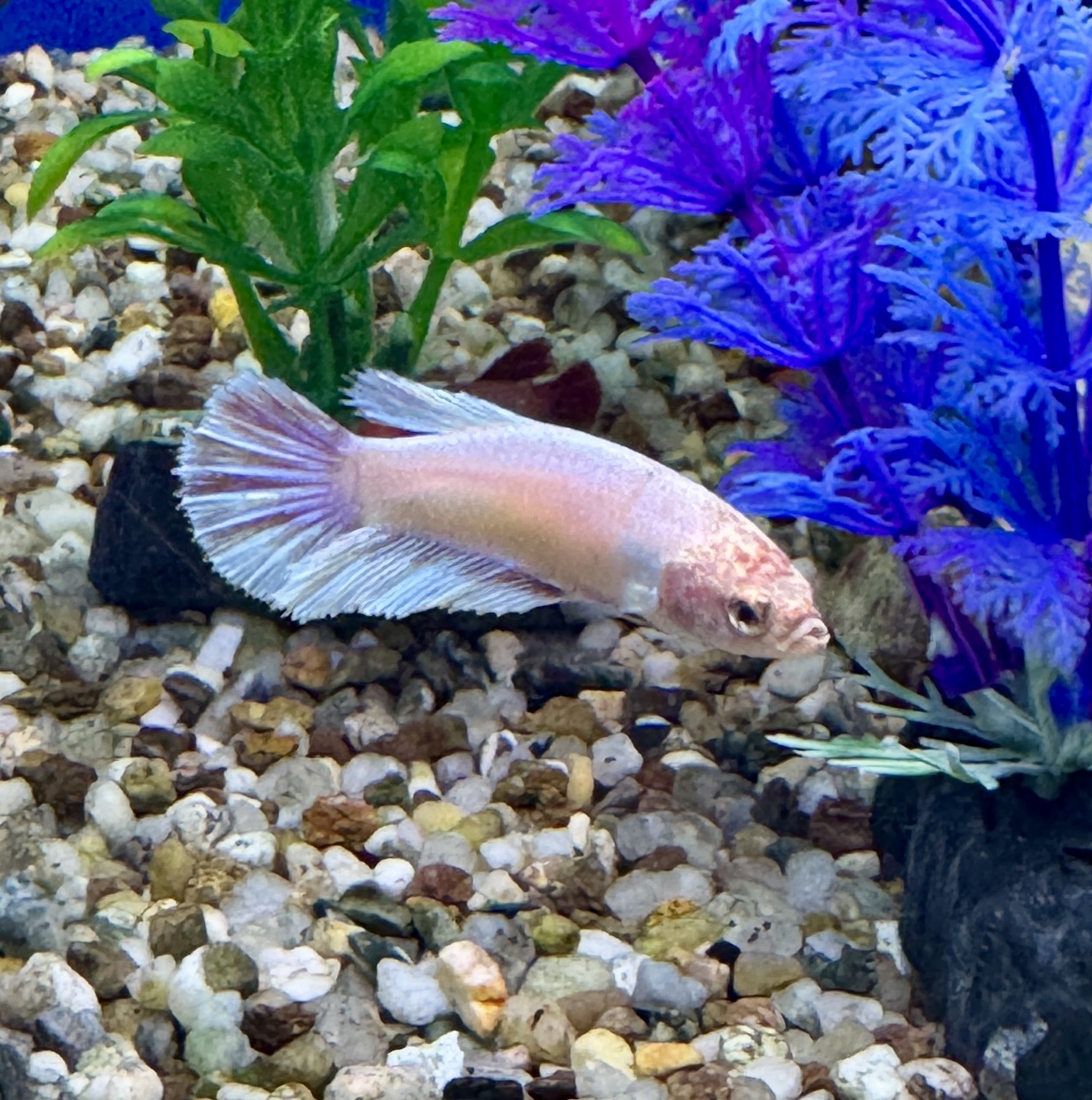
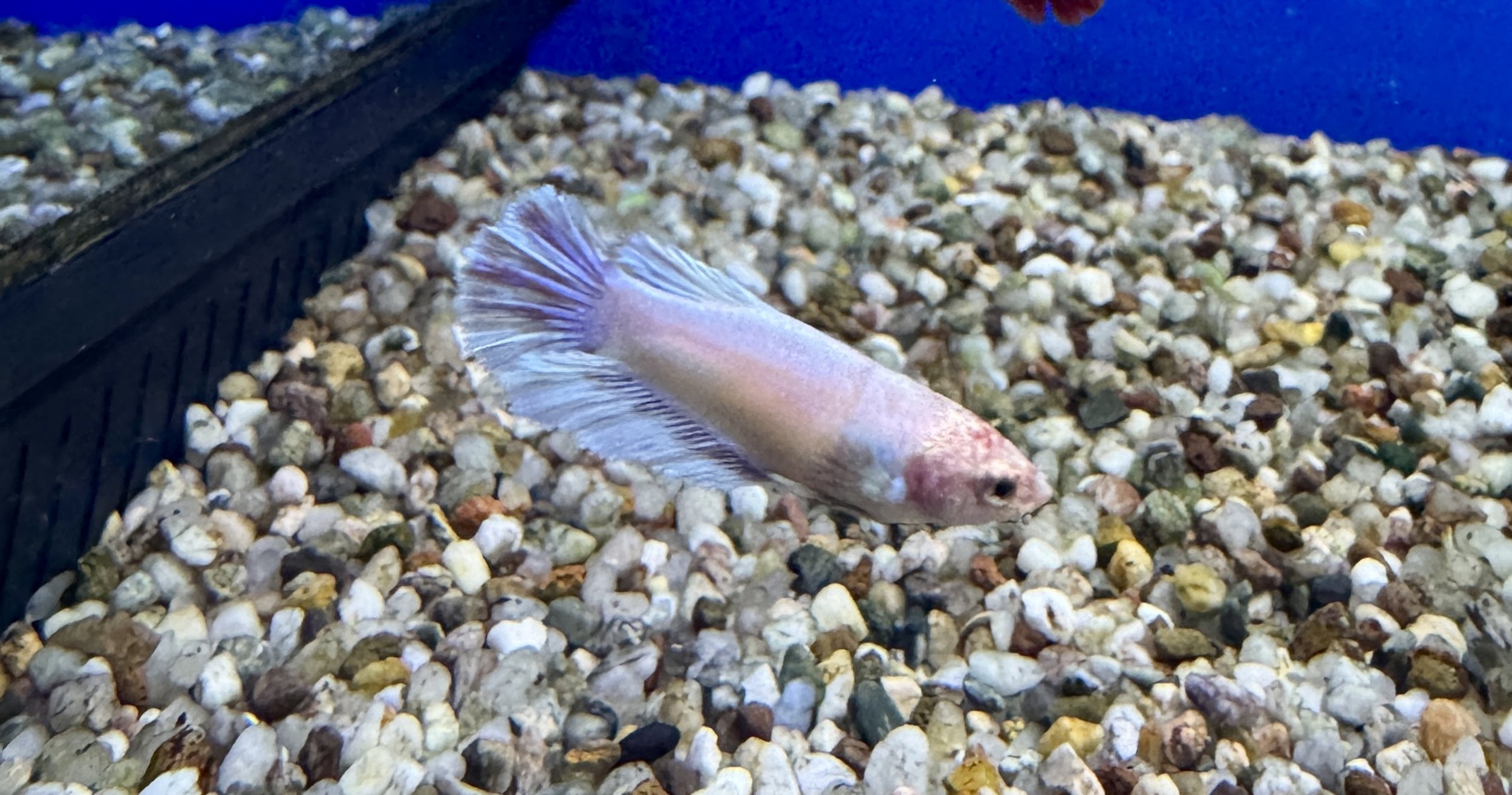
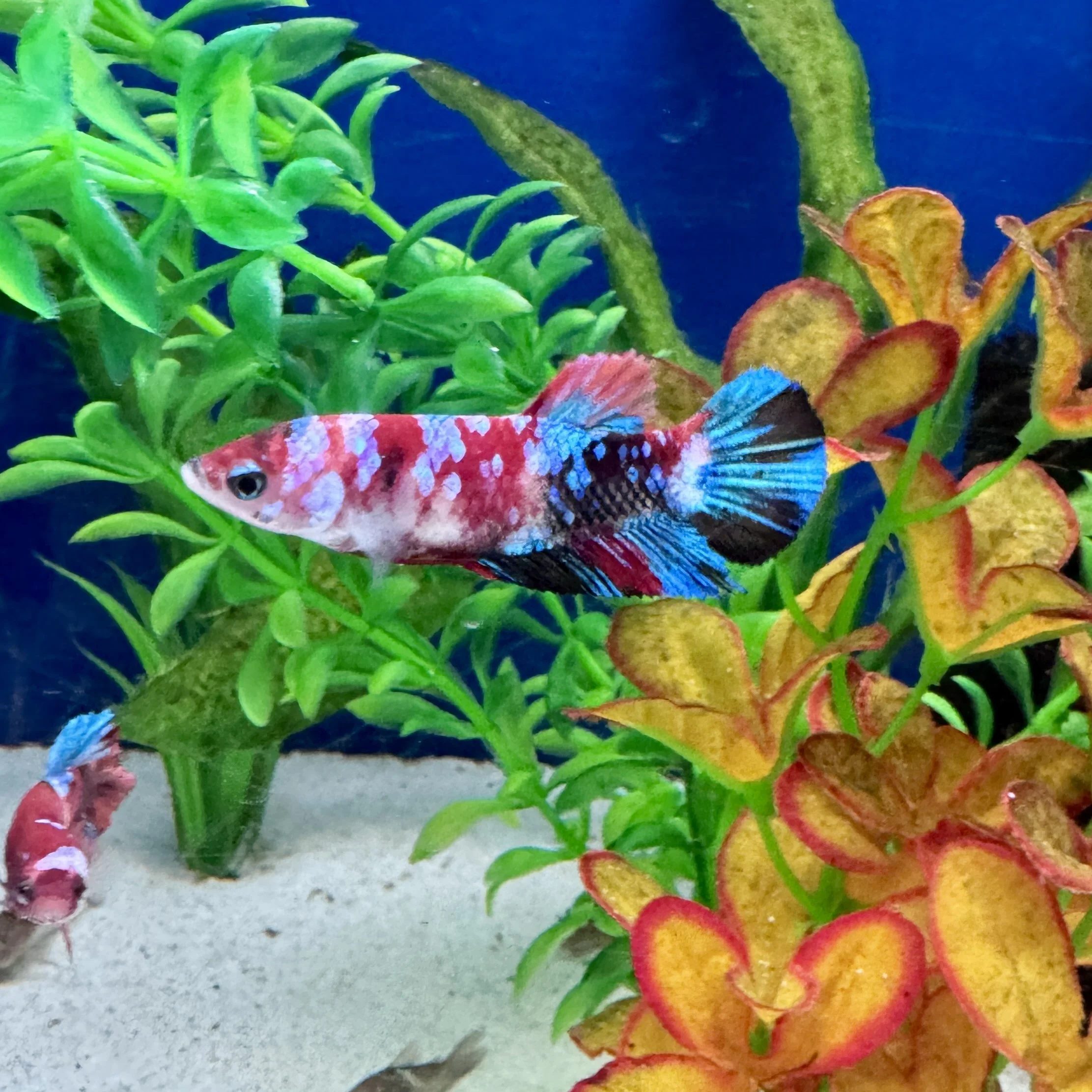
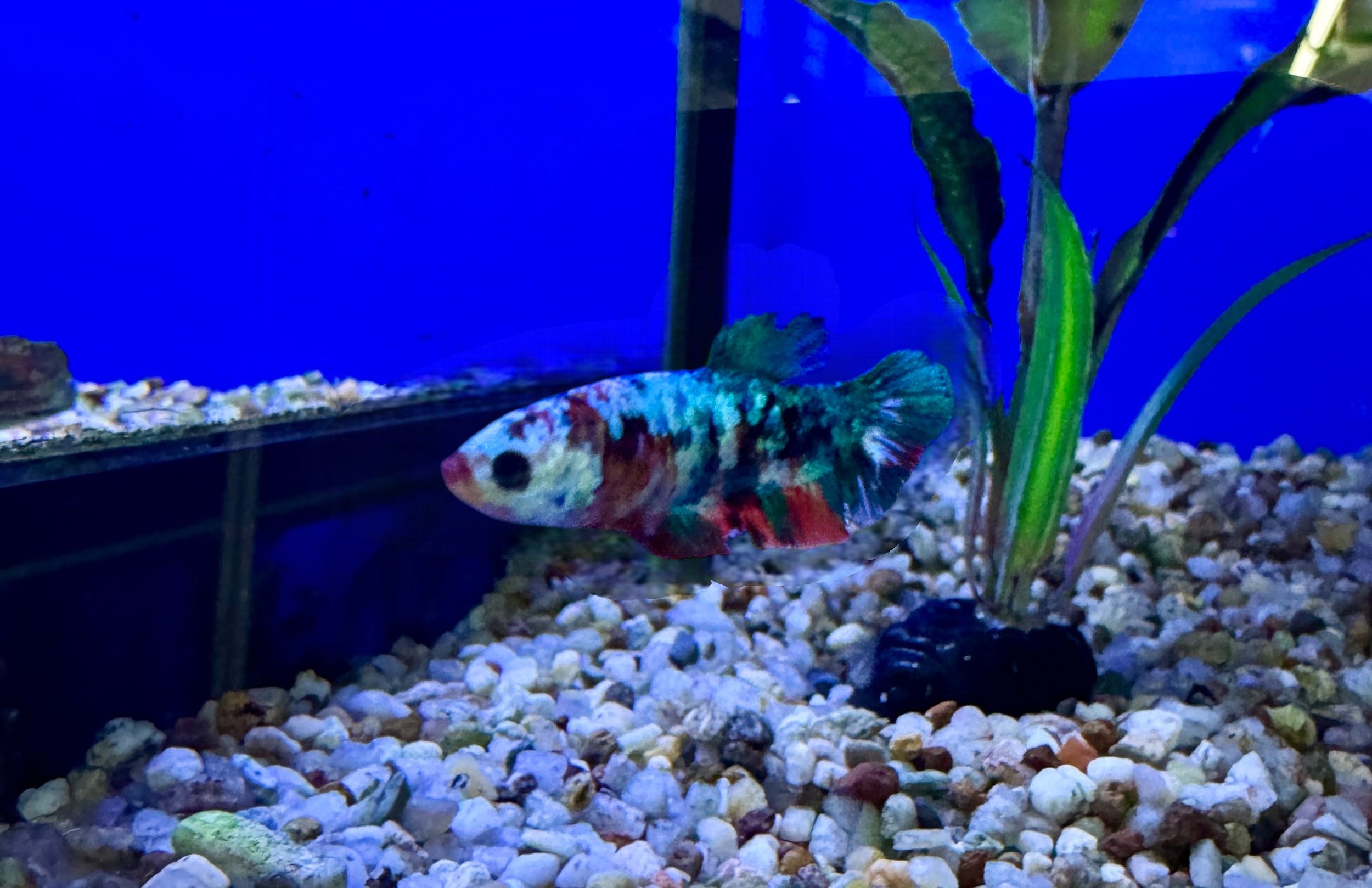
Common Name: Halfmoon Betta, HM Betta, Halfmoon Siamese Fighting Fish
Family: Osphronemidae
Origin: Captive-bred variety; wild ancestors from Thailand, Cambodia, Laos and Vietnam.
Size: Typically grows to about 2.5 to 3 inches (6 to 7.5 cm) in body length.
Lifespan: 2 to 5 years in captivity.
Diet: Carnivorous. In the wild they feed on insect larvae and zooplankton. In aquariums, they do best on quality betta pellets as a staple, supplemented with frozen or live foods such as bloodworms, brine shrimp and daphnia. Skip flakes — most bettas simply spit them out.
Behavior: Territorial and aggressive towards other male bettas — only one male per tank. Males may also nip the fins of long-finned tank mates. Generally peaceful towards dissimilar species.
Water Parameters: Prefer a pH range of 6.5 to 7.5, a temperature range of 75°F to 82°F (24°C to 28°C), and soft to moderately hard water (3 to 12 dGH). Pristine water quality is especially important for Halfmoons to protect their large fins.
Breeding: Bubble nest builders. The male builds a nest at the surface and courts the female, wrapping around her to release and fertilise eggs, which he then gathers and places in the nest. The female must be removed after spawning, and the male guards the nest and fry until they are free-swimming.
Tank Setup: A heated, filtered aquarium of at least 20 litres with calm water flow, soft-edged decor, plenty of hiding places and vegetation, and easy access to the surface for air breathing. Avoid sharp decor that could snag those flowing fins.
Compatibility: Best kept alone or with peaceful, short-finned species of similar size. Avoid other male bettas, aggressive fish, fin-nipping species, and anything that might damage those delicate fins.

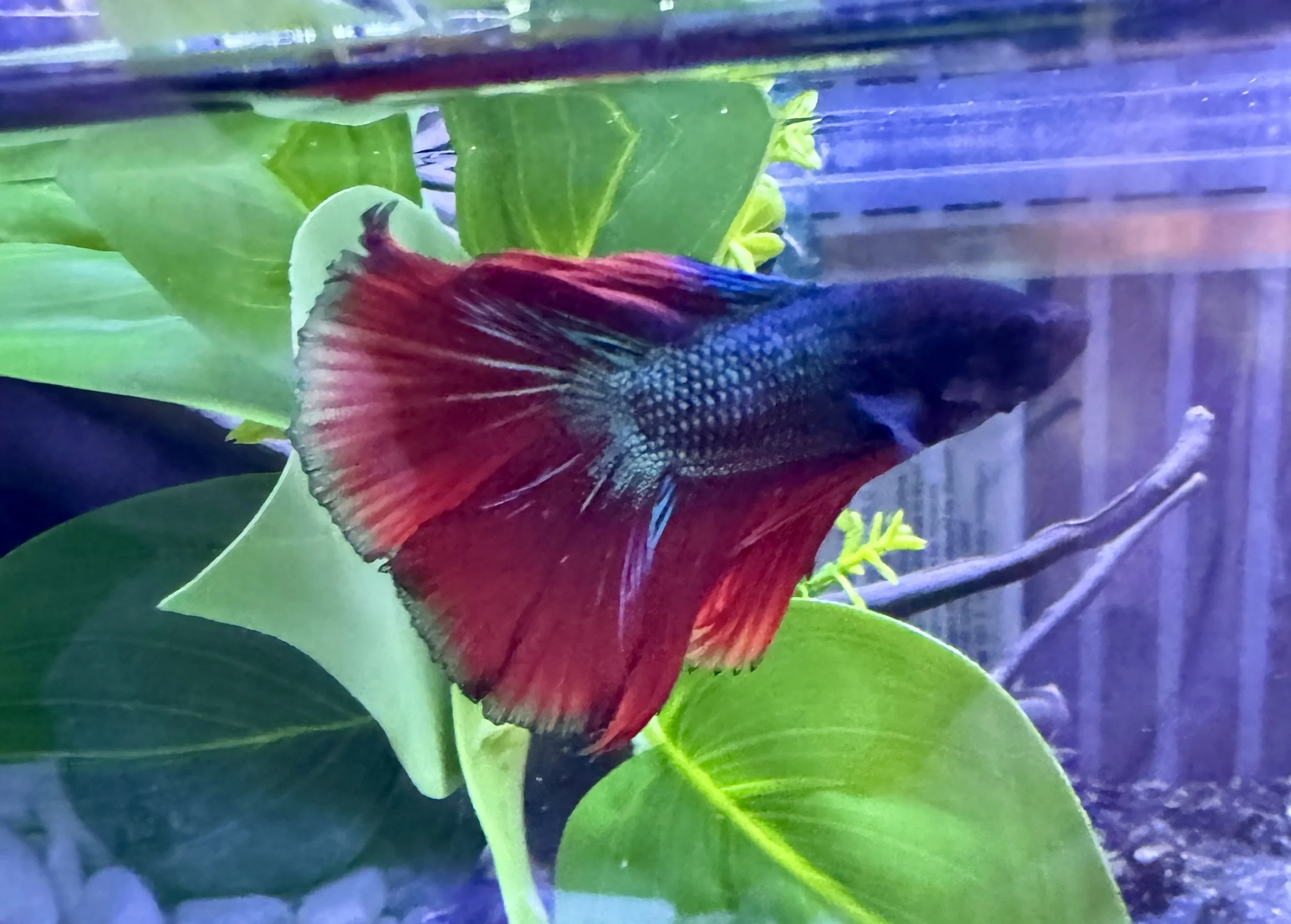 Image 1 of 3
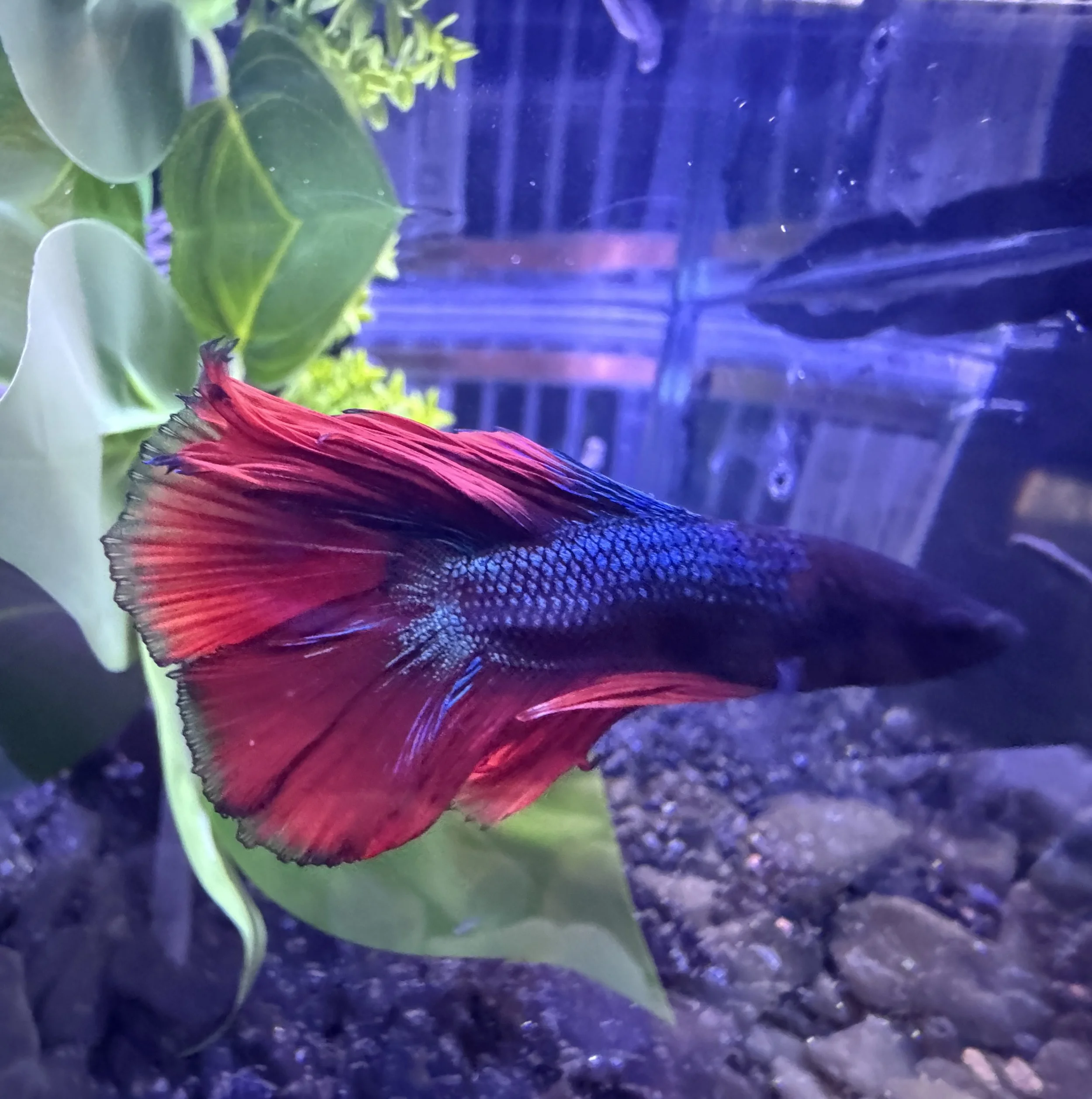 Image 2 of 3
 Image 3 of 3