 Image 1 of 2
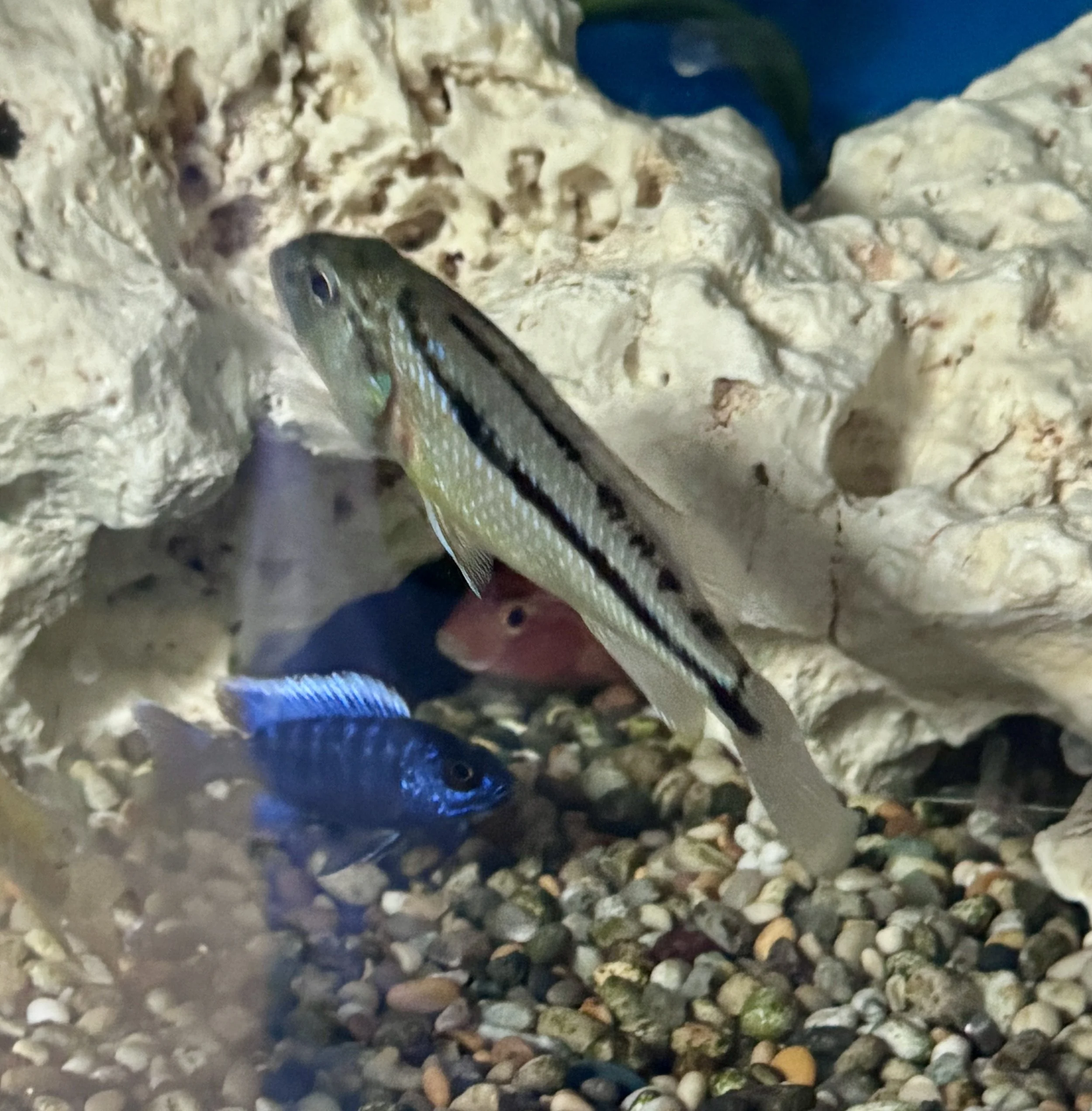 Image 2 of 2
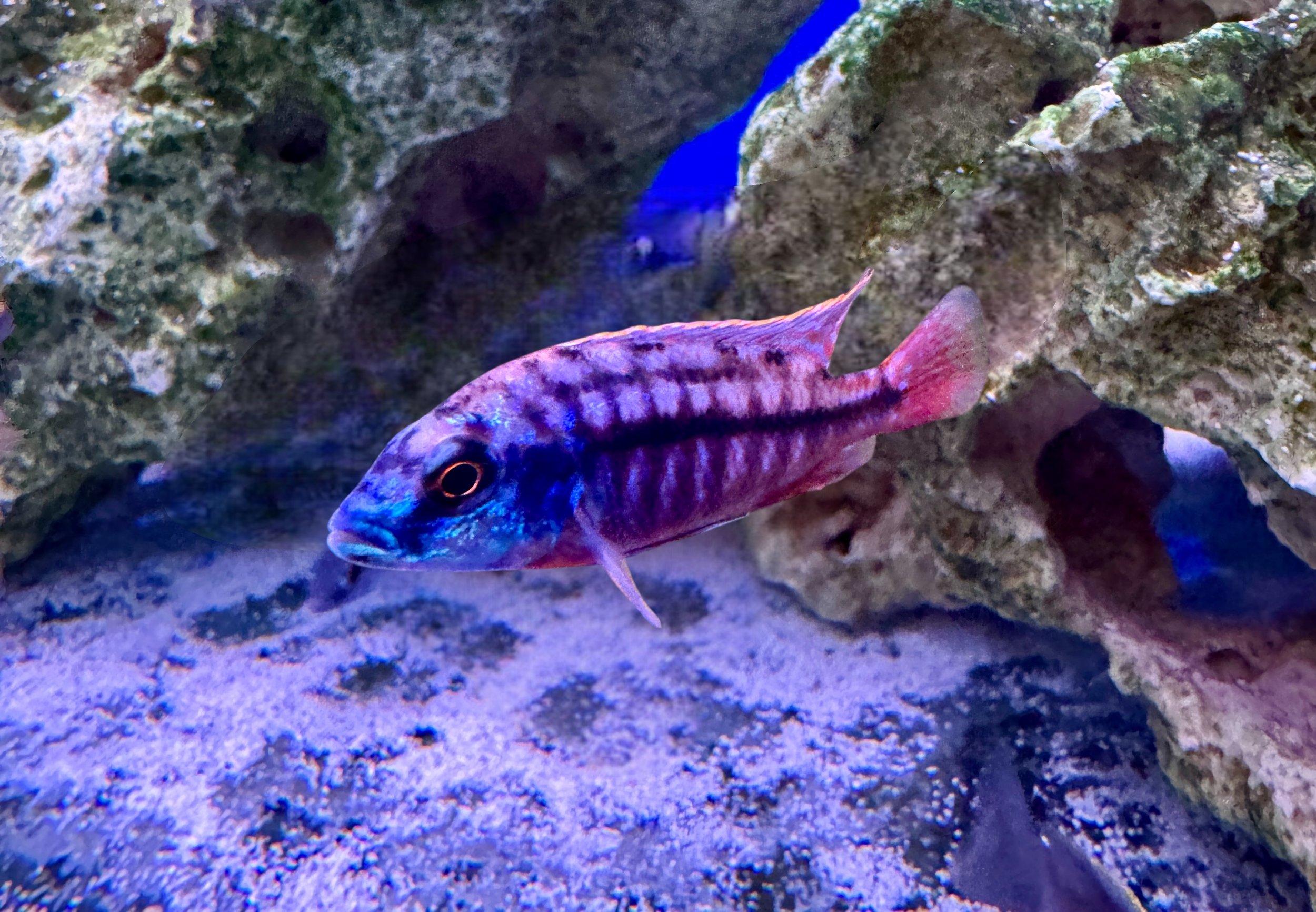
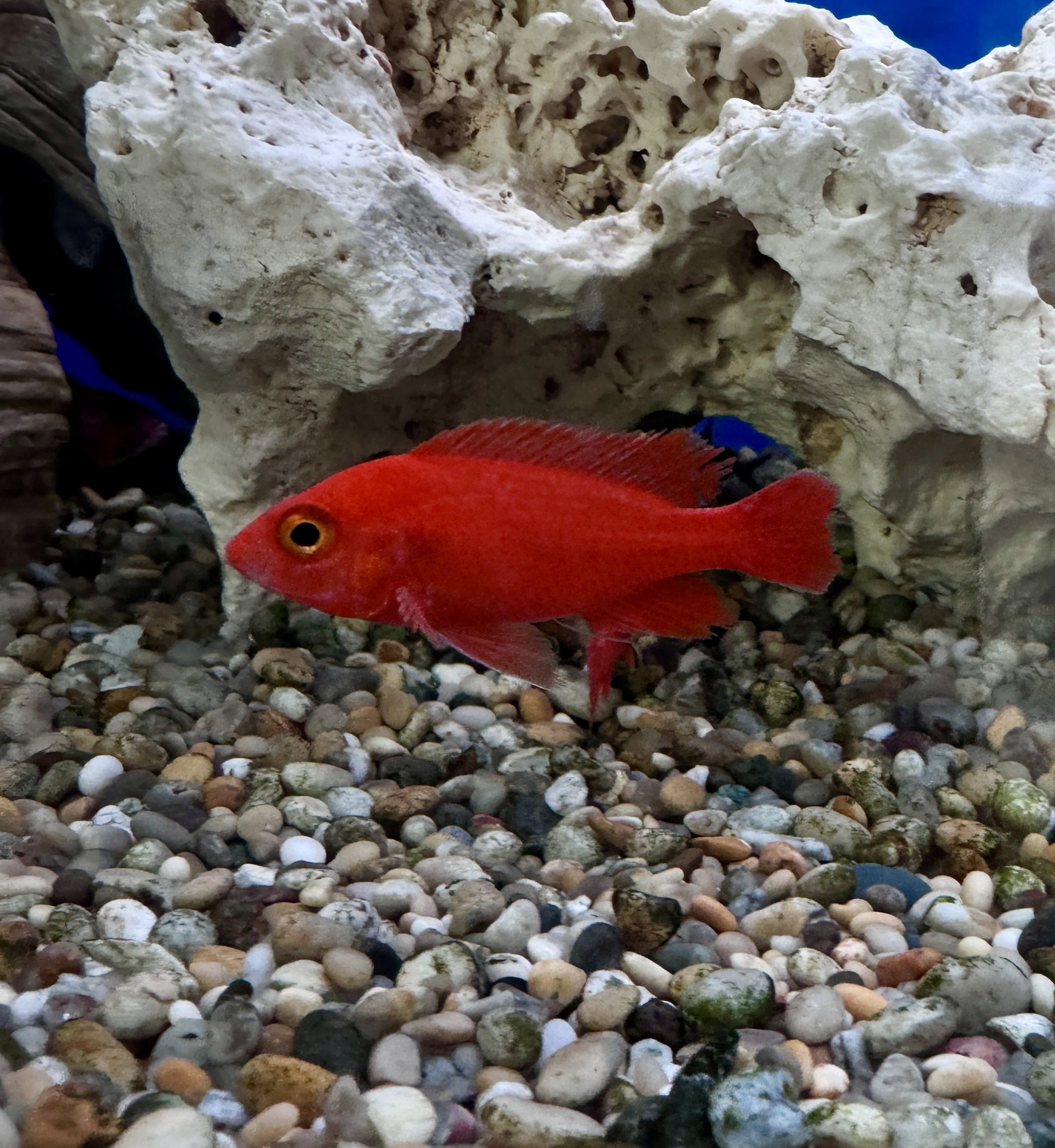
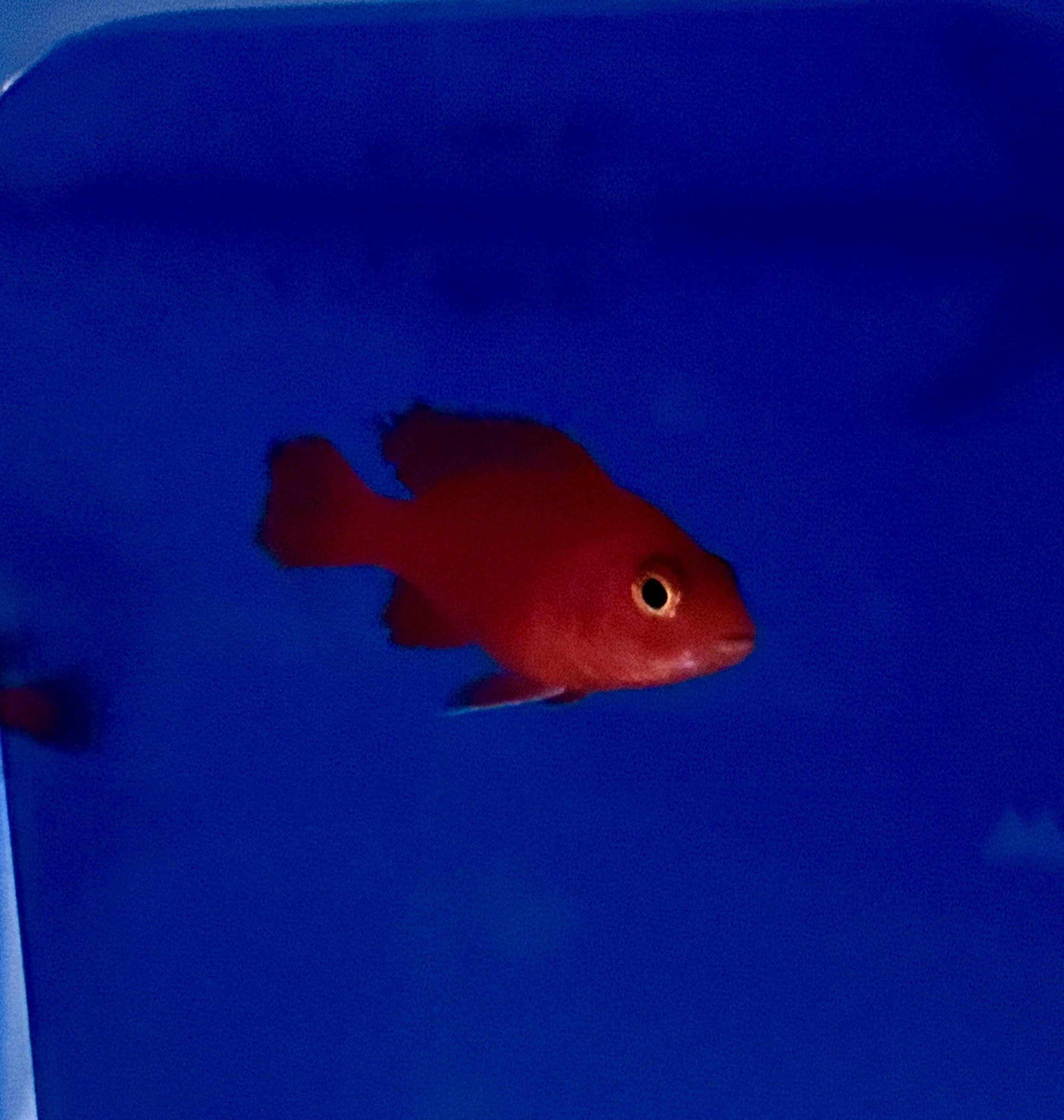
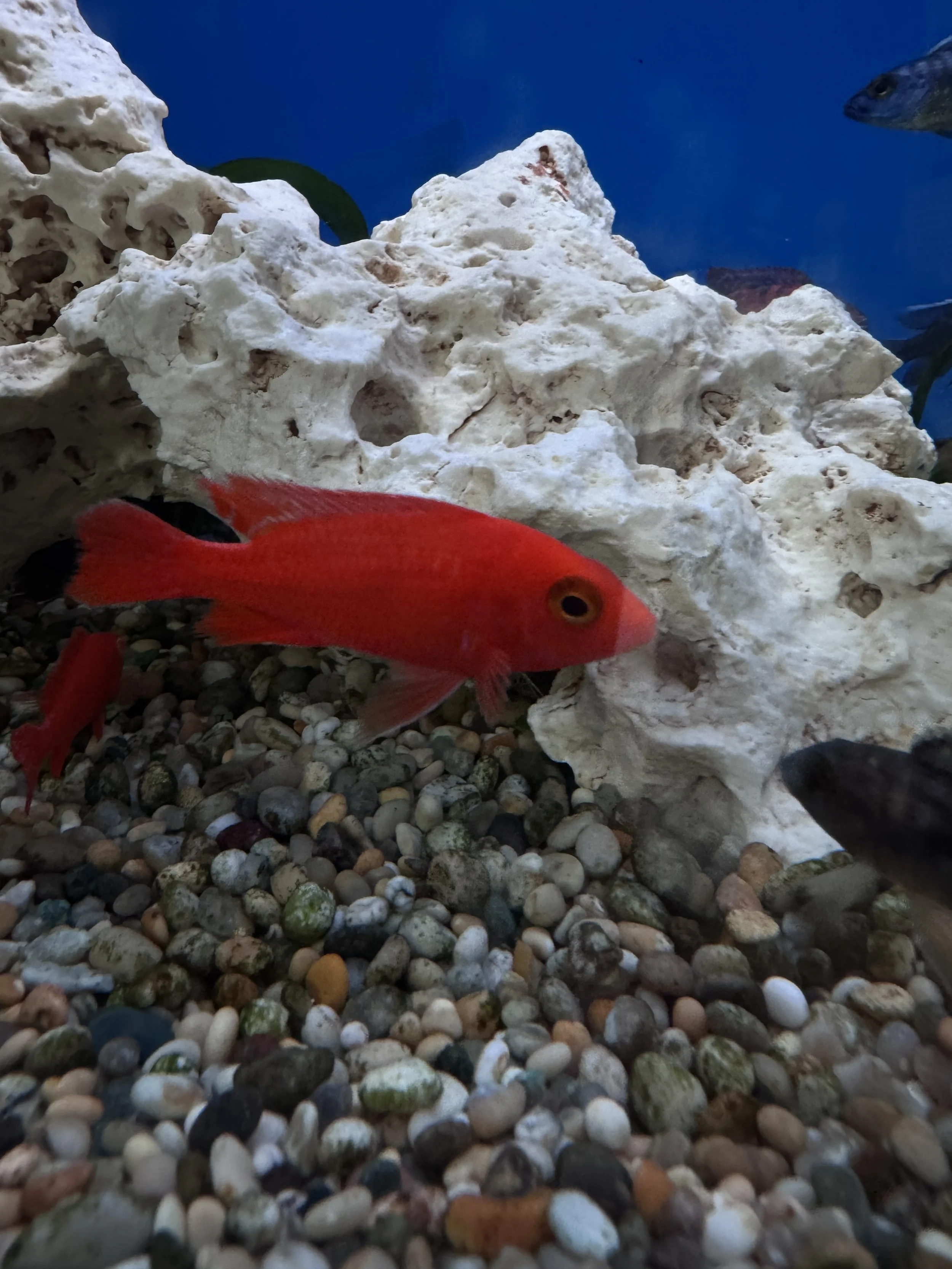
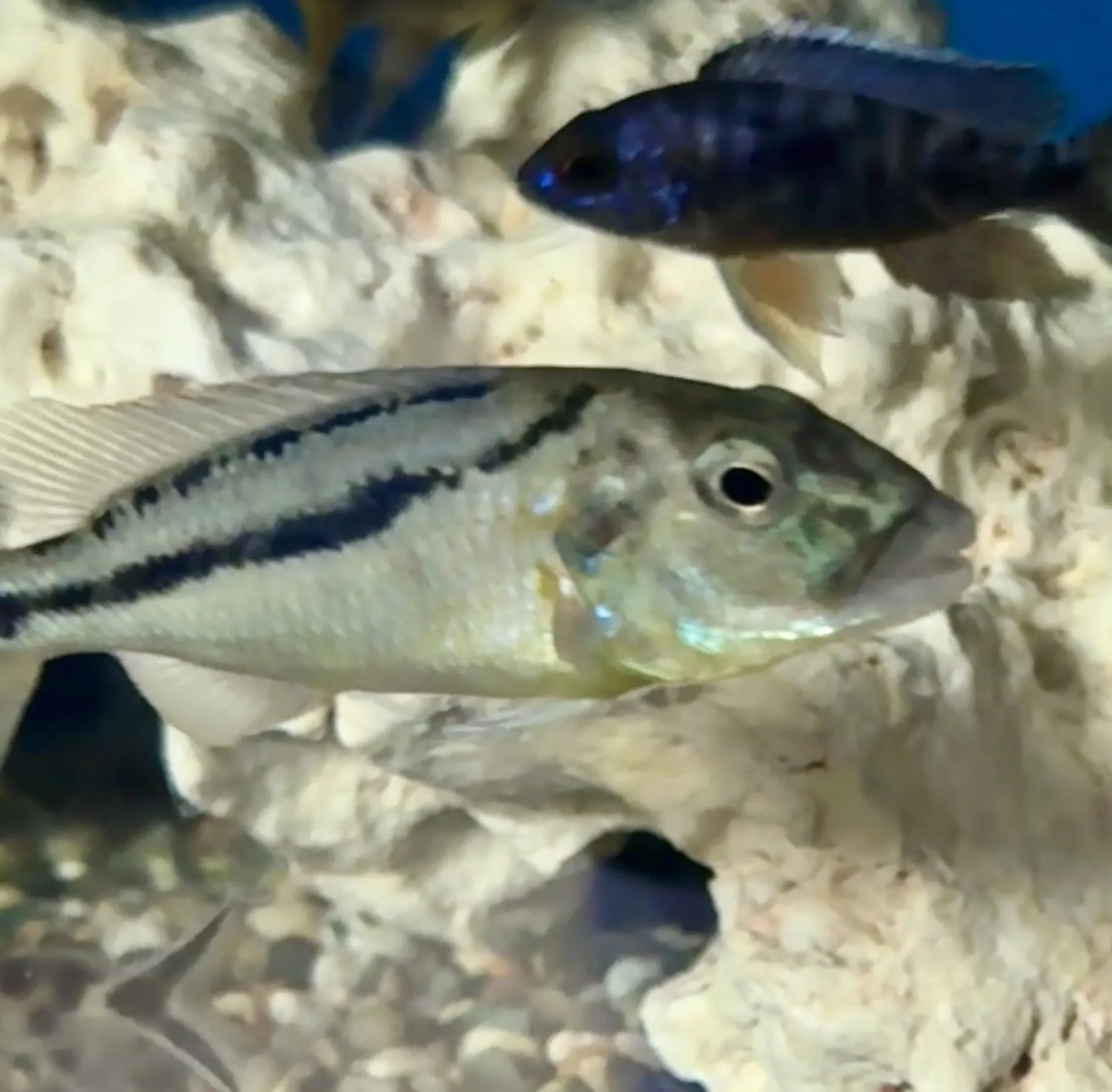
Scientific Name: Aristochromis christyi
Common Name: Malawi Hawk, Hawk Cichlid, Aristocratic Hap
Family: Cichlidae
Origin: Lake Malawi, East Africa, found throughout the lake in the transitional zone where rocky substrate meets open sand.
Size: Males can reach up to 12 inches (30 cm); females stay smaller at around 8 to 9 inches (20 to 23 cm).
Lifespan: 10 to 15 years in captivity.
Diet: Carnivorous piscivore. In the wild it hunts smaller cichlids among the rocks. In aquariums, it can be trained to accept dead foods such as prawns, mussel, cockle and lancefish, along with quality pellets, though these should not form the basis of the diet.
Behavior: A solitary predator by nature. Not aggressive in the typical cichlid sense, but highly predatory — any tank mate small enough to swallow will be eaten. Best kept as a single male or in a harem with one male and several females.
Water Parameters: Prefer a pH range of 7.8 to 8.6, a temperature range of 75°F to 82°F (24°C to 28°C), and hard, alkaline water.
Breeding: Polygamous maternal mouthbrooder. The female lays eggs, which she then picks up and carries in her mouth until the fry are fully developed. Best spawned in a species tank with one male and at least three females, with plenty of cover.
Tank Setup: A large aquarium of at least 6 feet in length is required, with a sandy substrate, plenty of rocks and caves for cover, and open swimming areas. Strong filtration and regular water changes are essential, as these are large, messy eaters.
Compatibility: Best kept with other large, robust Haps and peacocks too big to be considered prey. Avoid small fish and timid species that may be stressed or eaten.