 Image 1 of 5
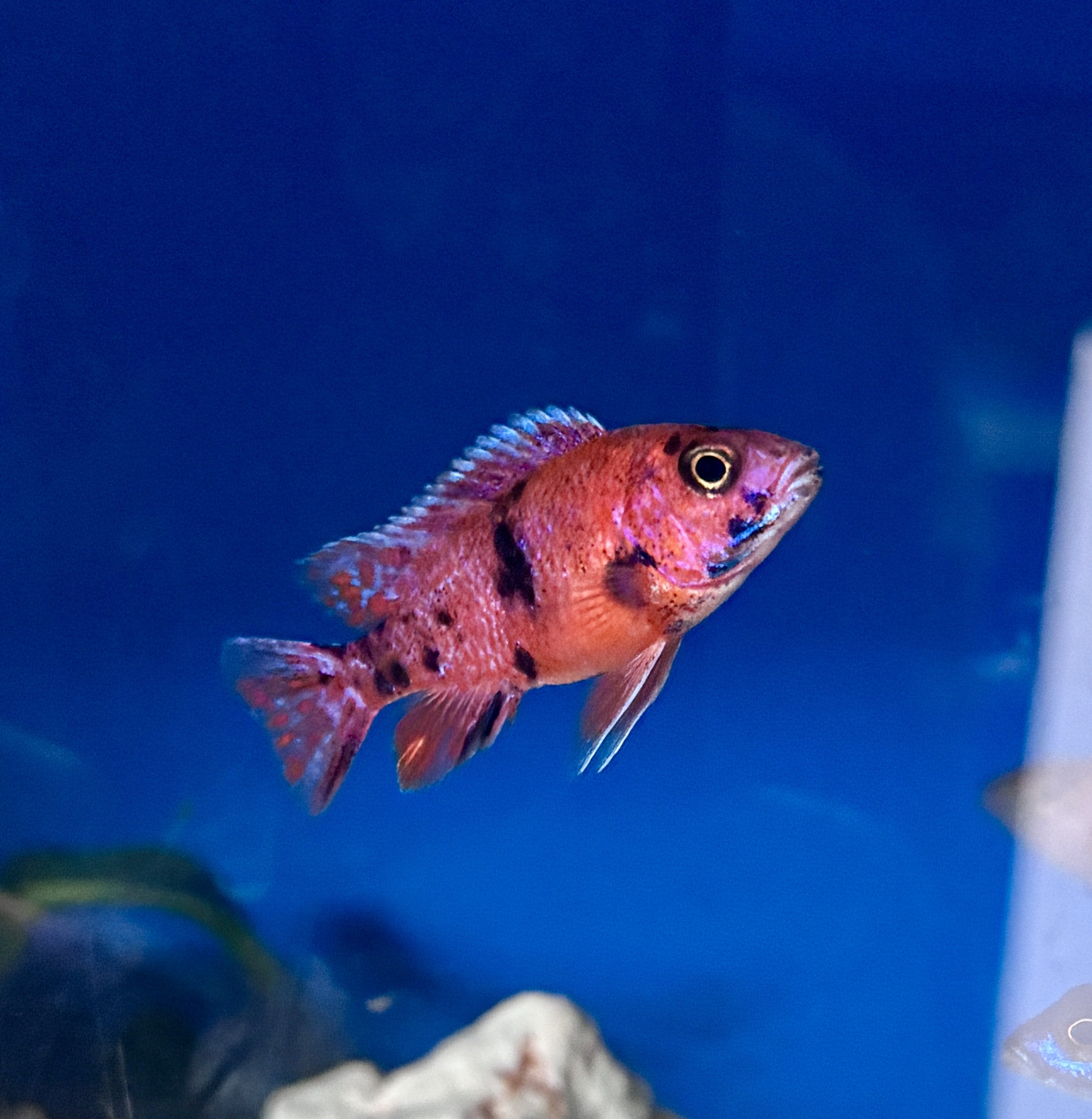 Image 2 of 5
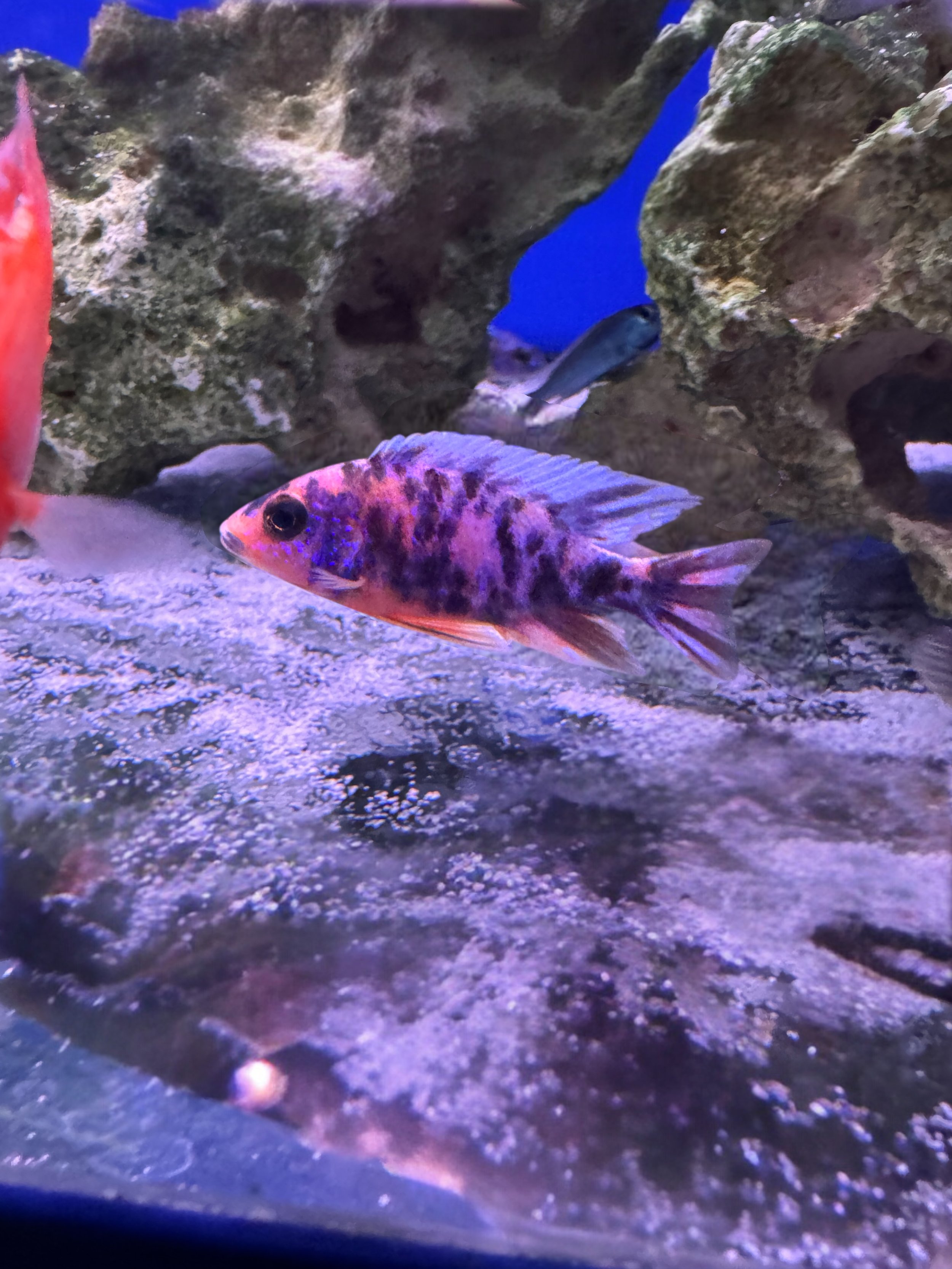 Image 3 of 5
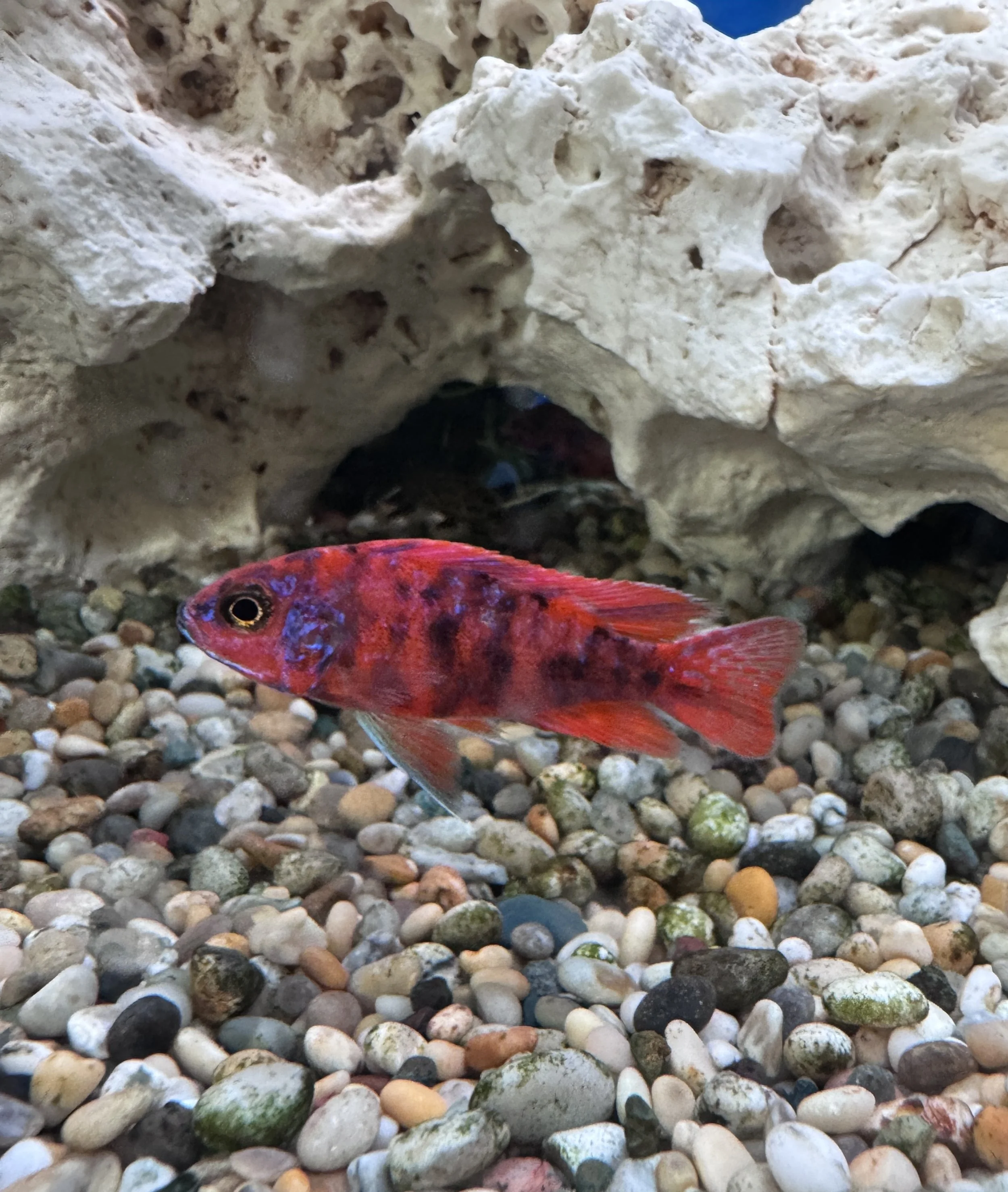 Image 4 of 5
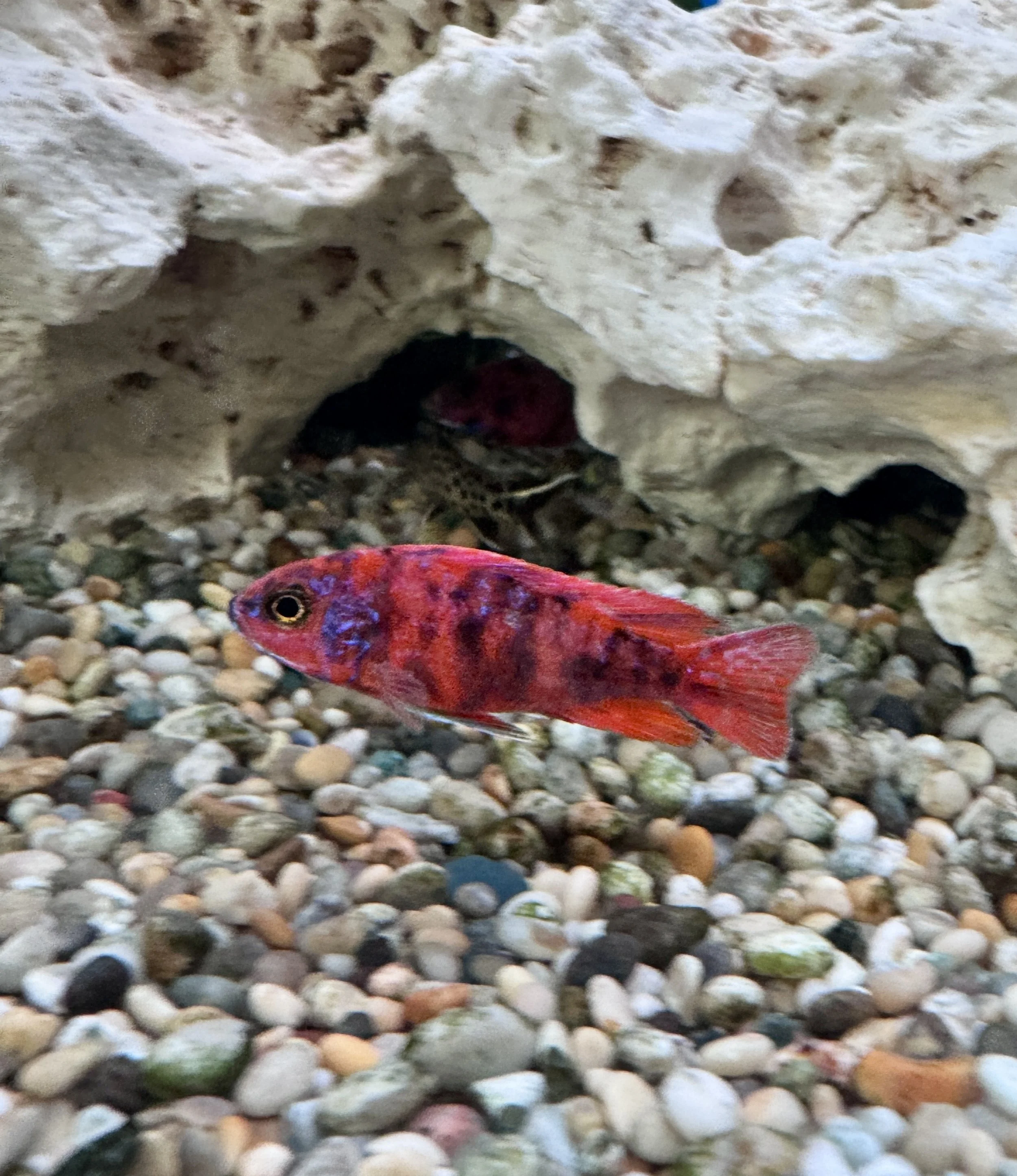 Image 5 of 5
Scientific Name:
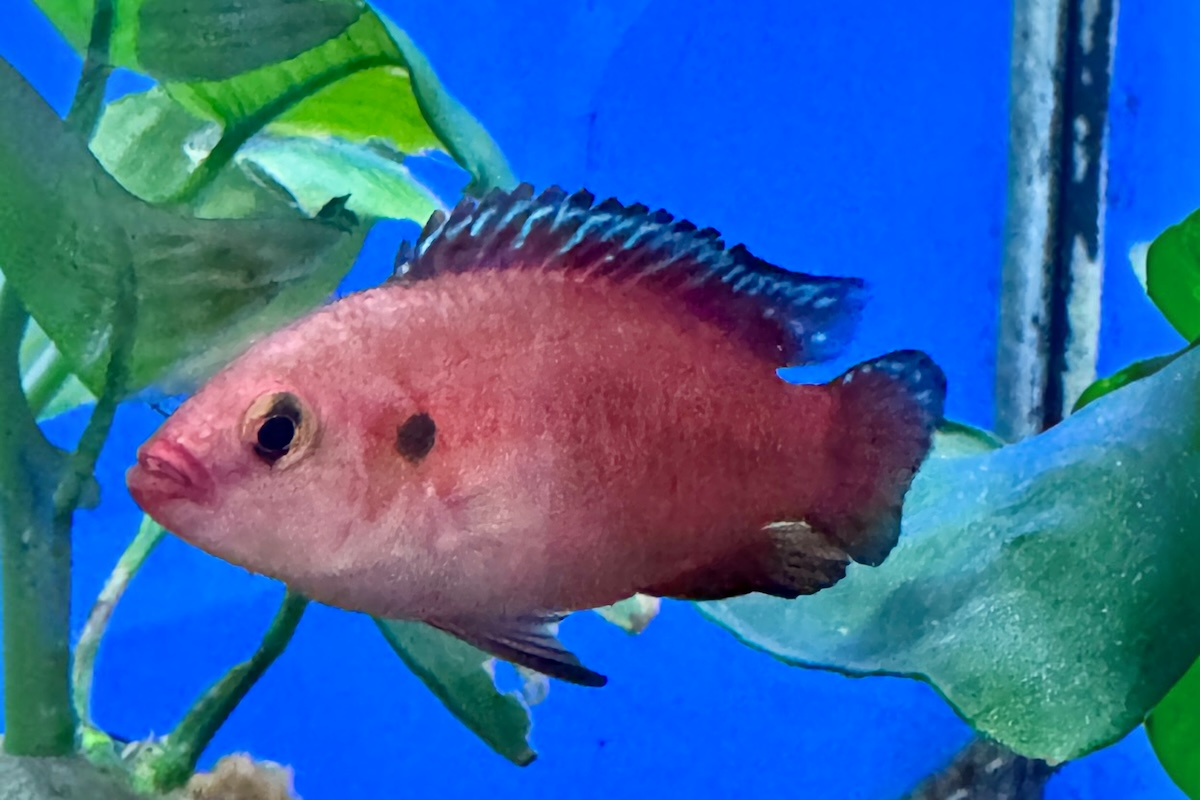
Aulonocara sp.
Common Name:
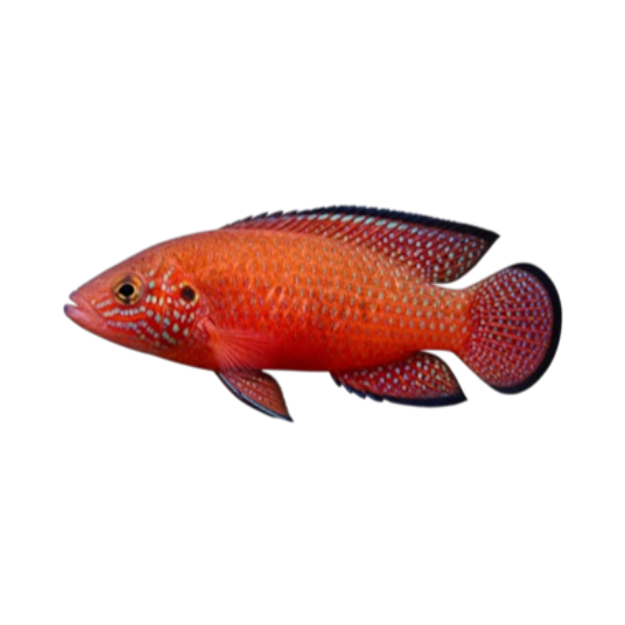
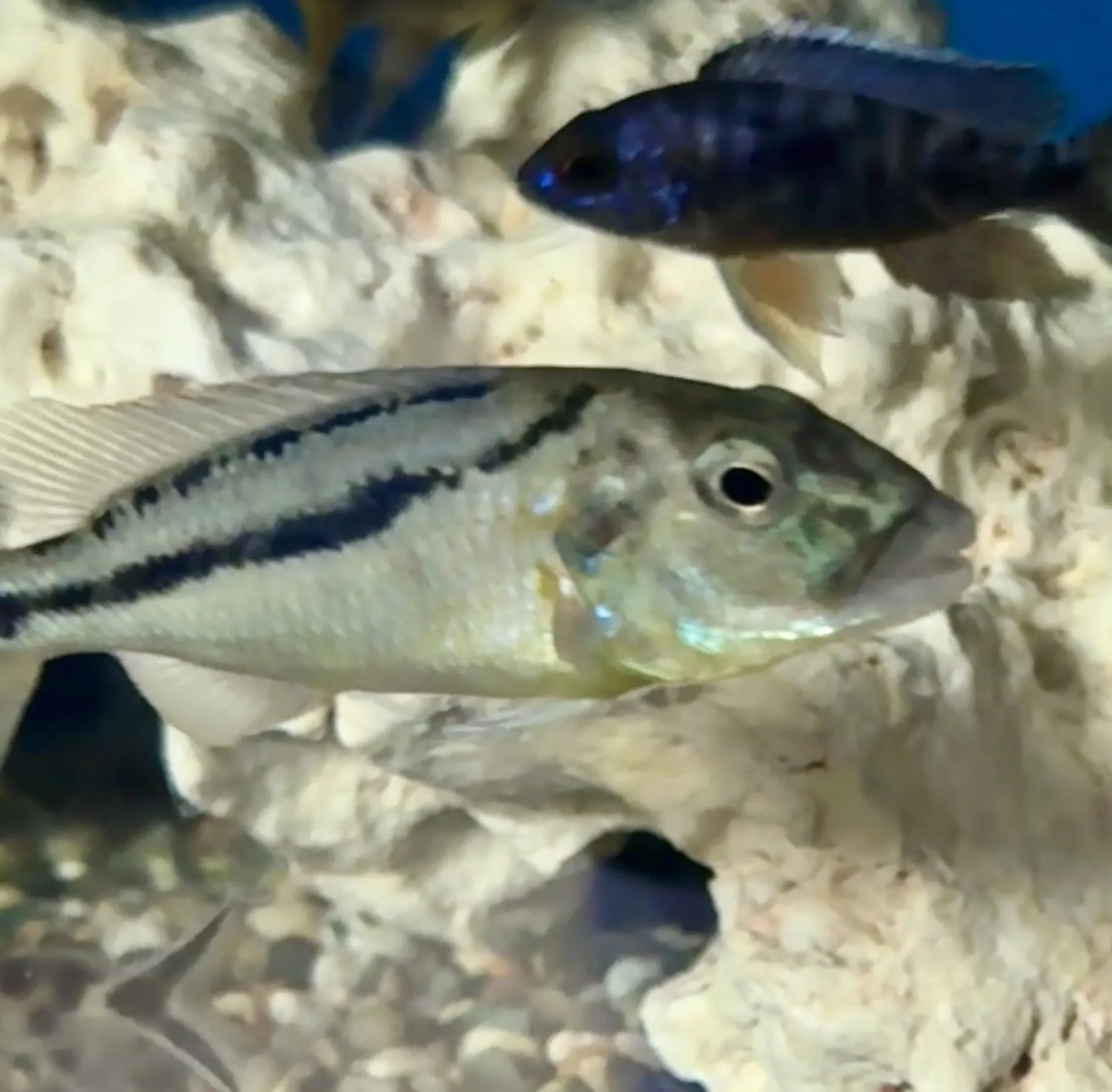
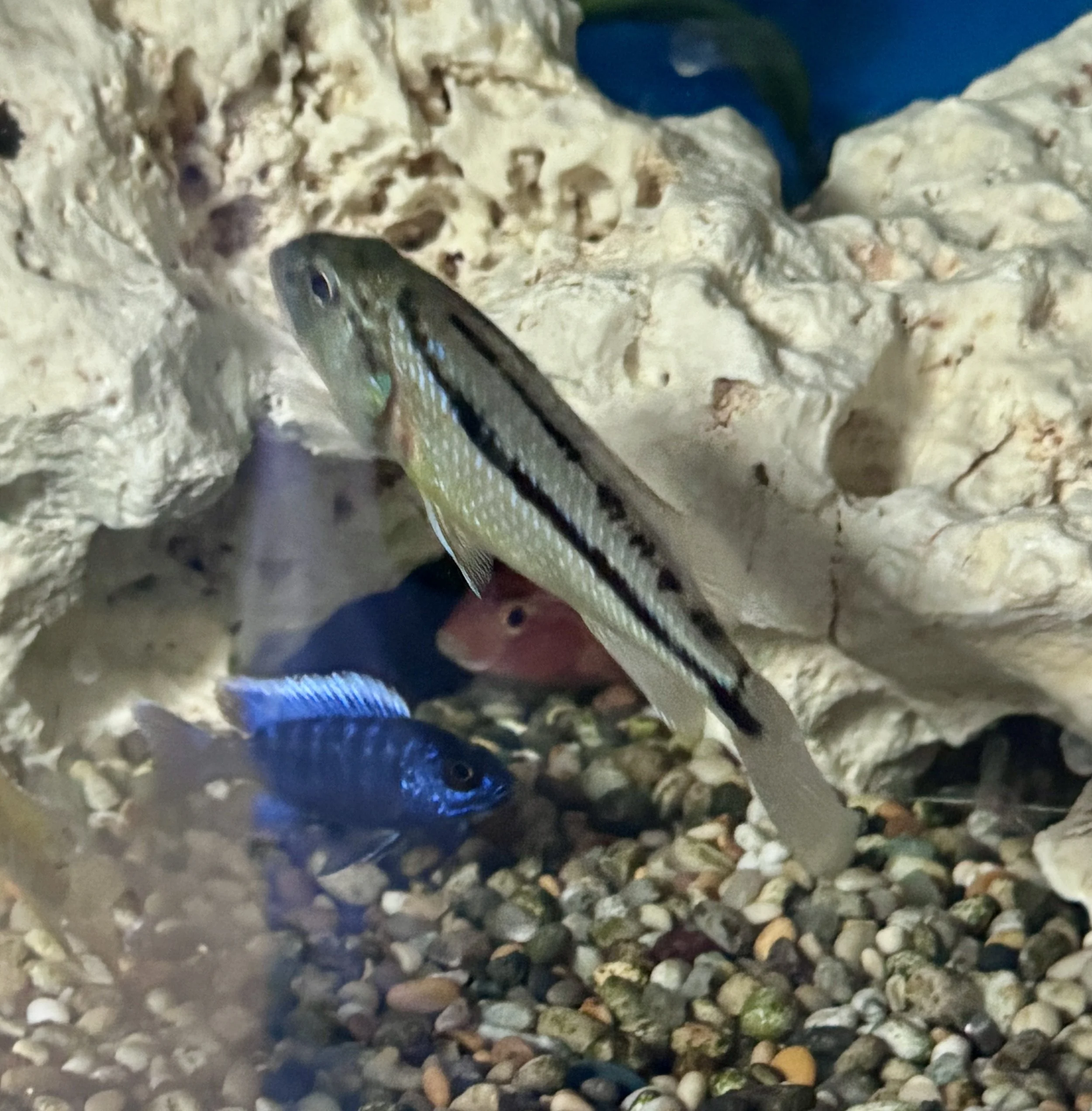
Orange Blotch Peacock
Adult Size:
4 to 6 inches (10 to 15 cm)
Temperature Range:
76 to 82°F (24 to 28°C)
pH Range:
7.5 to 8.5
Compatibility:
Generally peaceful but can be territorial, especially during breeding. They do well in community tanks with other peaceful Malawi Cichlids and species that have similar water parameter requirements. Good tank mates include other Aulonocara species, Haplochromis, and some mbuna species.
Minimum Tank Size:
55 gallons (208 liters) for a single male and several females, or a larger tank for a group
Originates from:
Lake Malawi, Africa
Ideal Substrate:
Fine sand or small, smooth gravel. A well-decorated tank with plenty of hiding spots and gentle water flow is ideal. Rock formations and caves provide essential hiding places and territories.
Ideal Tank Mates Suggestions:
Peaceful Malawi Cichlids such as other Aulonocara species, Haplochromis, and some mbuna species. Avoid aggressive or overly dominant species.
Fish to Avoid:
Aggressive or overly dominant fish, as well as species that are known to be fin-nippers.
Diet:
Omnivorous; they will eat a variety of foods including high-quality cichlid pellets, flakes, live food (such as bloodworms and brine shrimp), and frozen food. They also benefit from occasional vegetable matter like blanched peas or spirulina flakes.
Breeding:
Breeding the Orange Blotch Aulonocara is possible in a well-maintained aquarium. Males will establish a territory and court the females. Females will lay eggs, which they then mouth-brood for about 3 weeks. During this time, the female will not eat and will hide in a safe spot. After the eggs hatch, the fry will be released and can be fed with finely crushed flakes or baby brine shrimp.
Appearance:
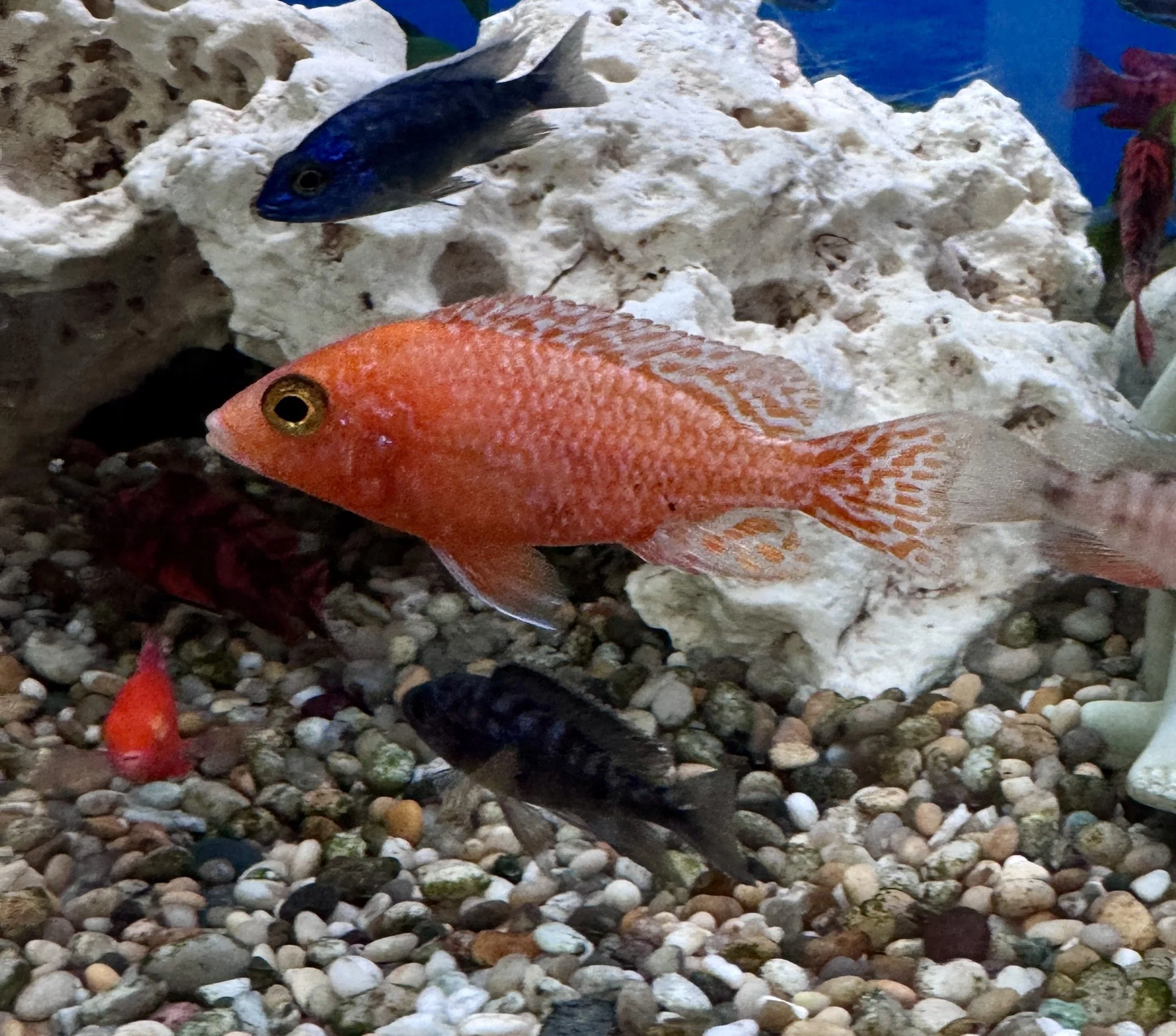
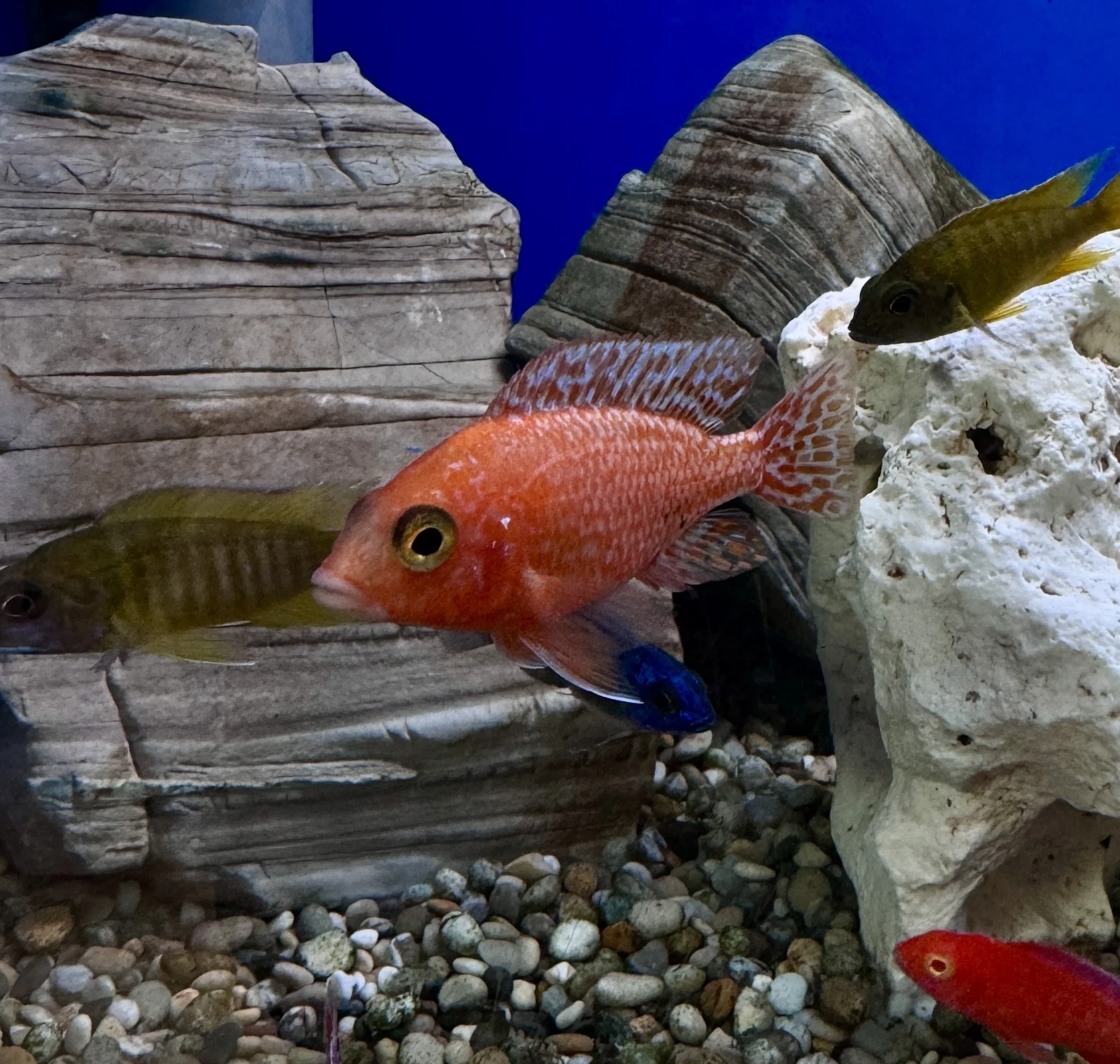
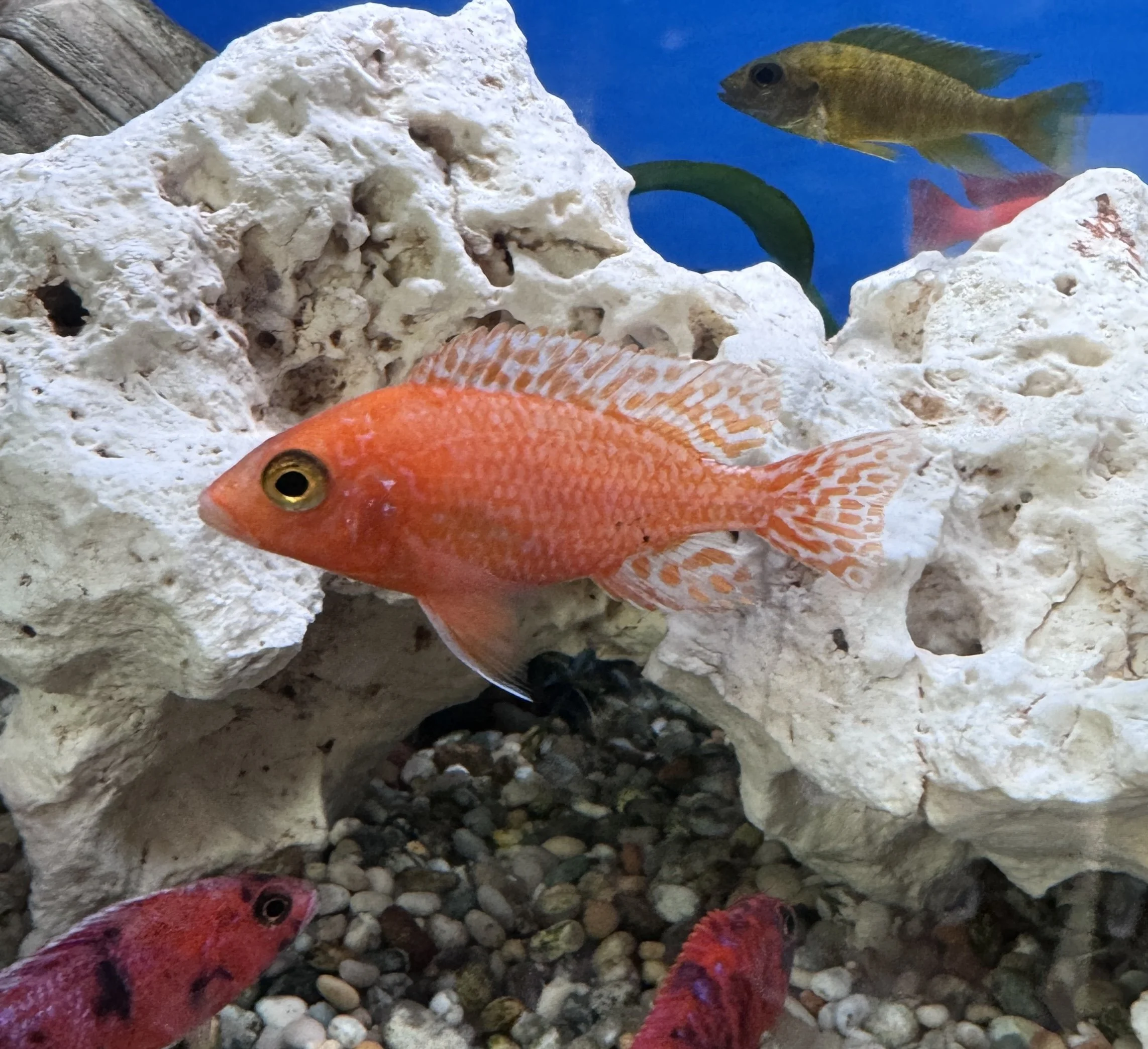
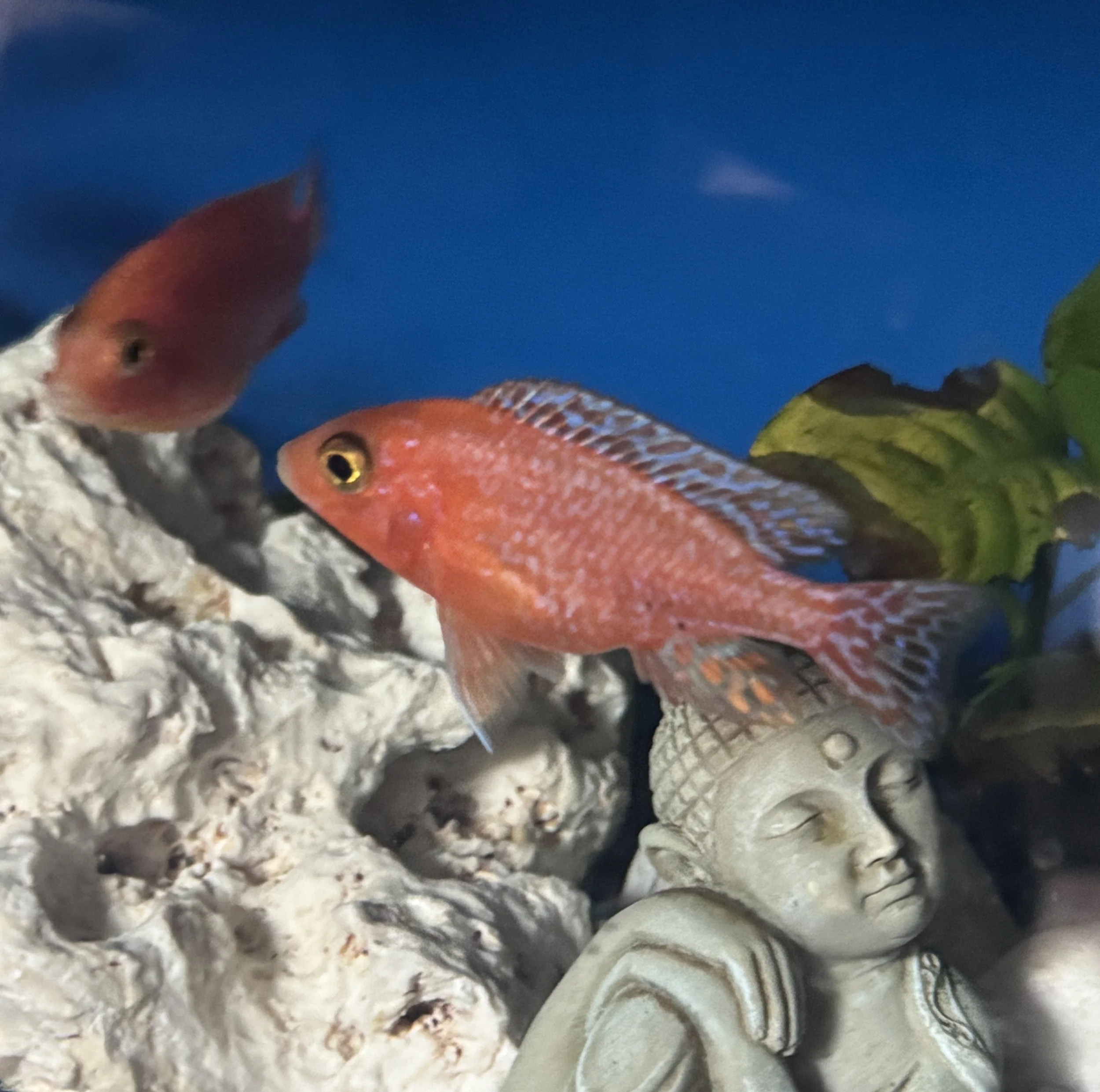
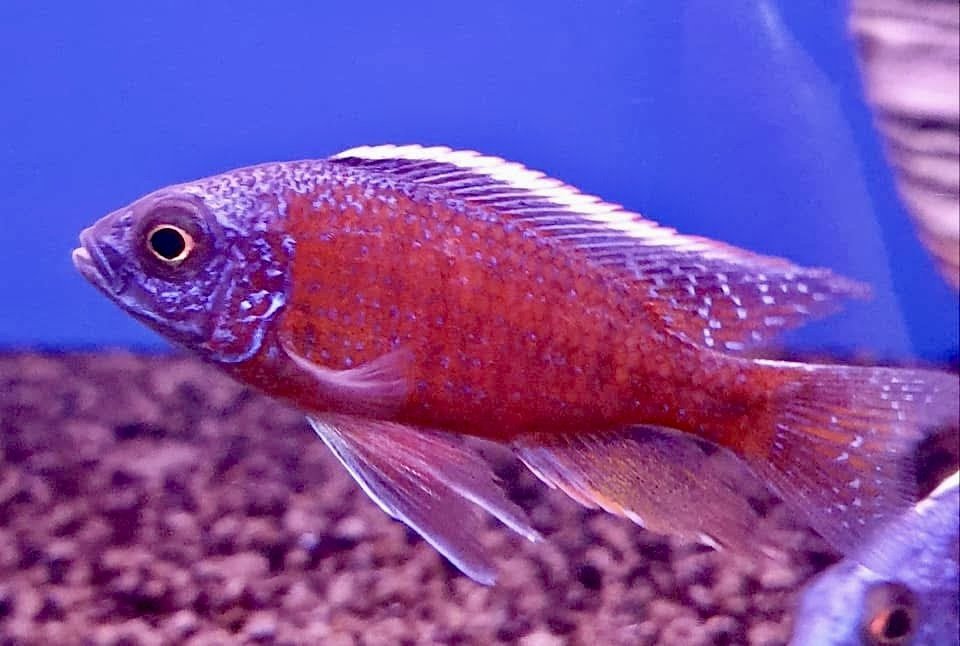
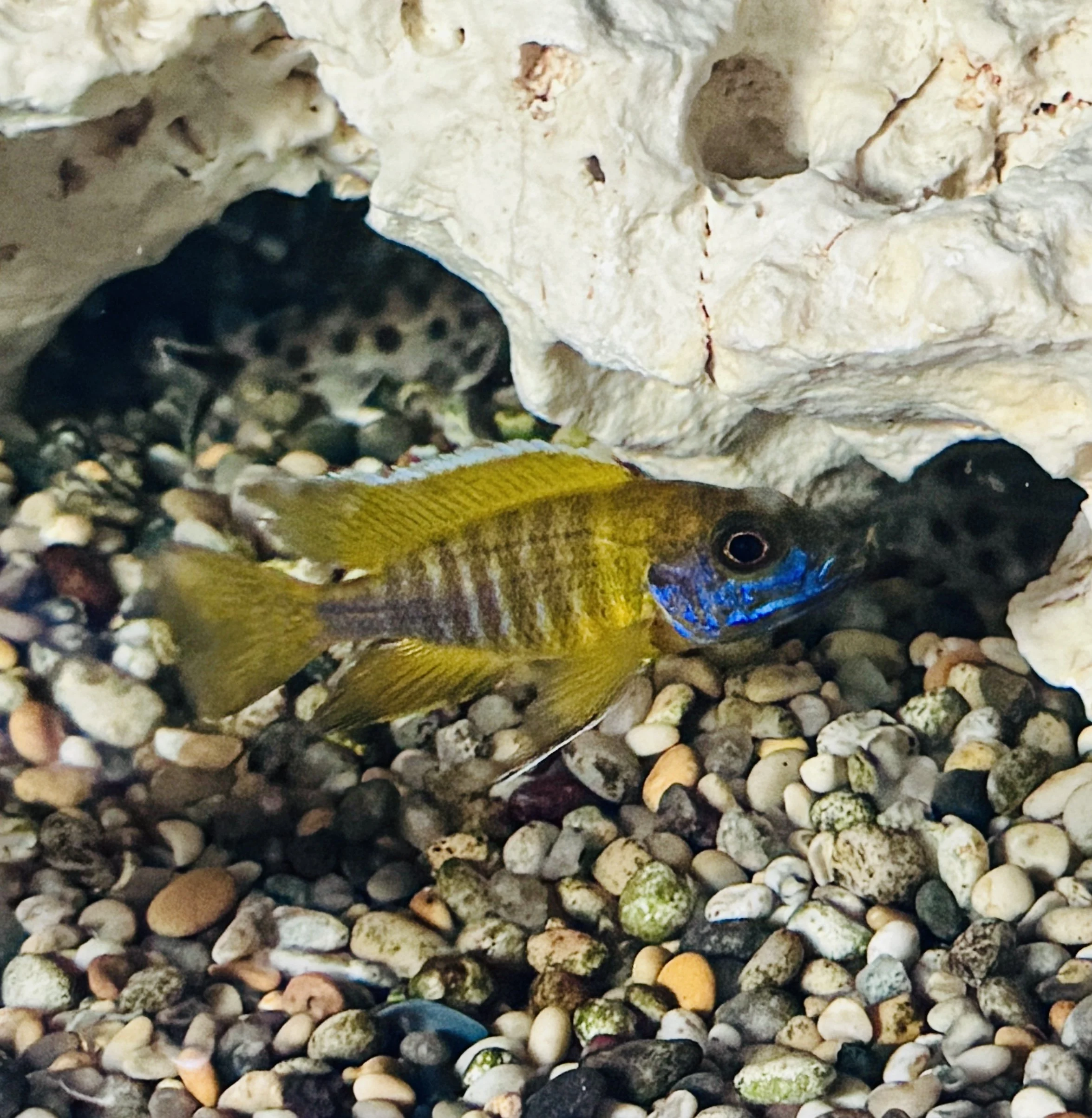
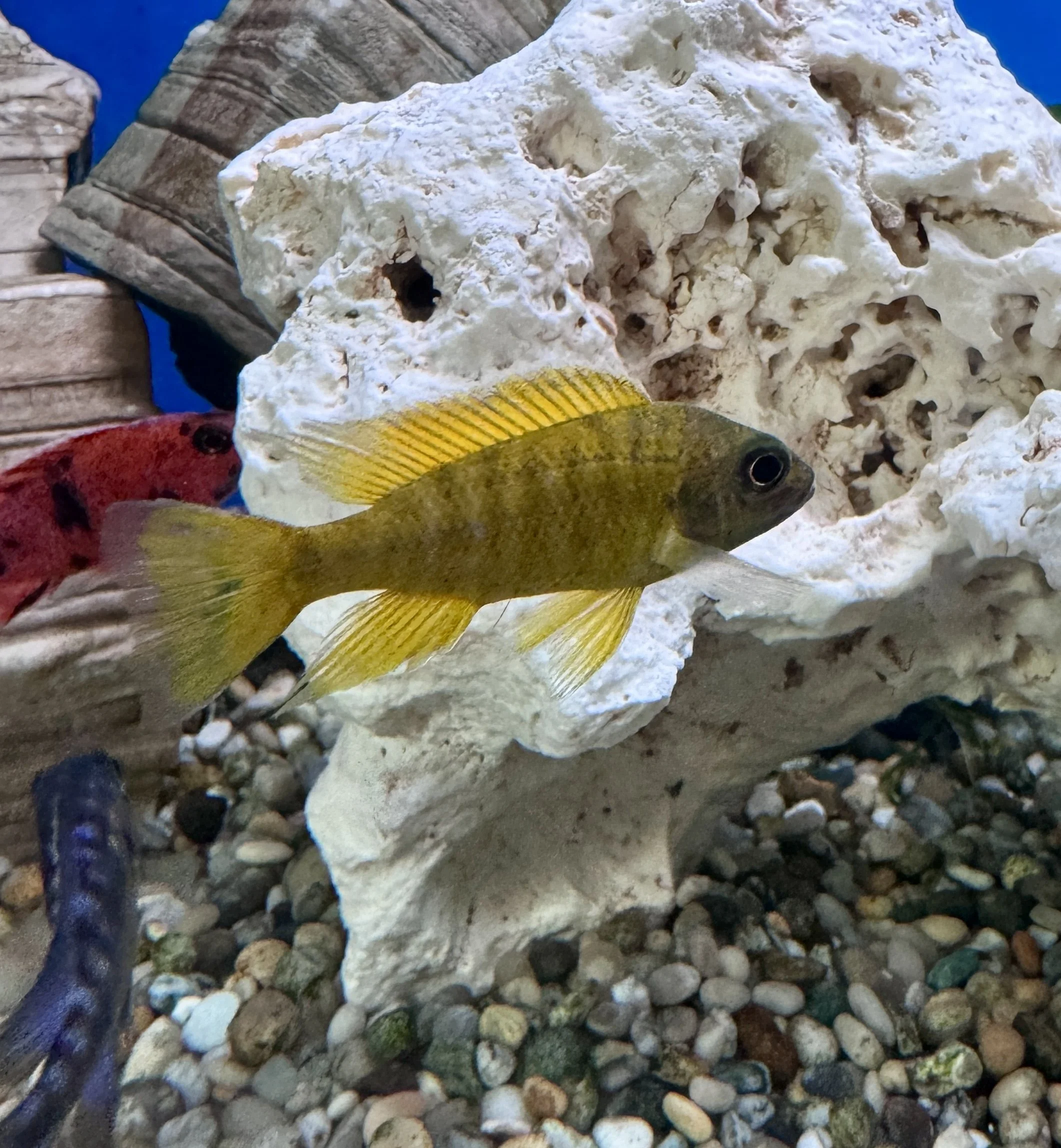
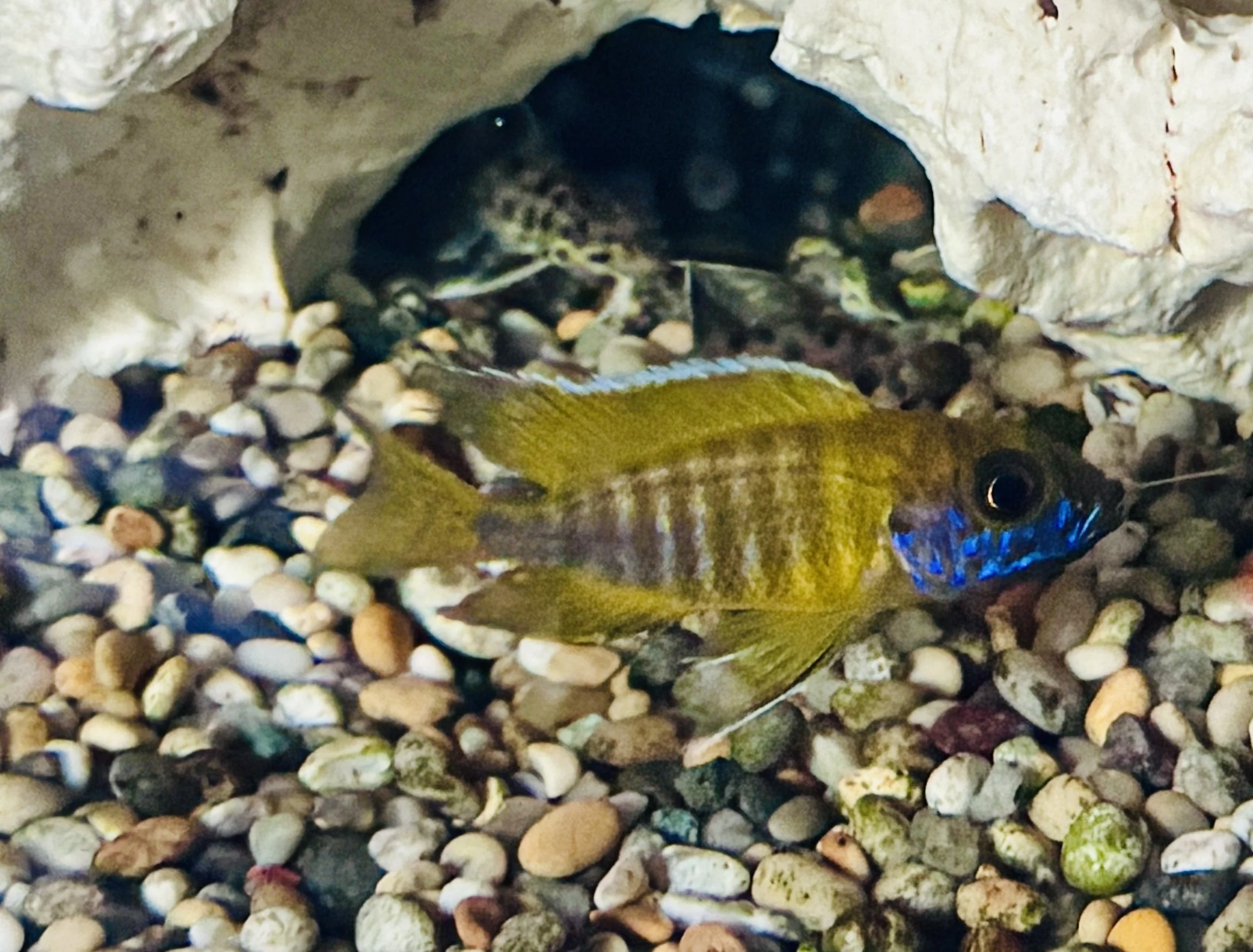
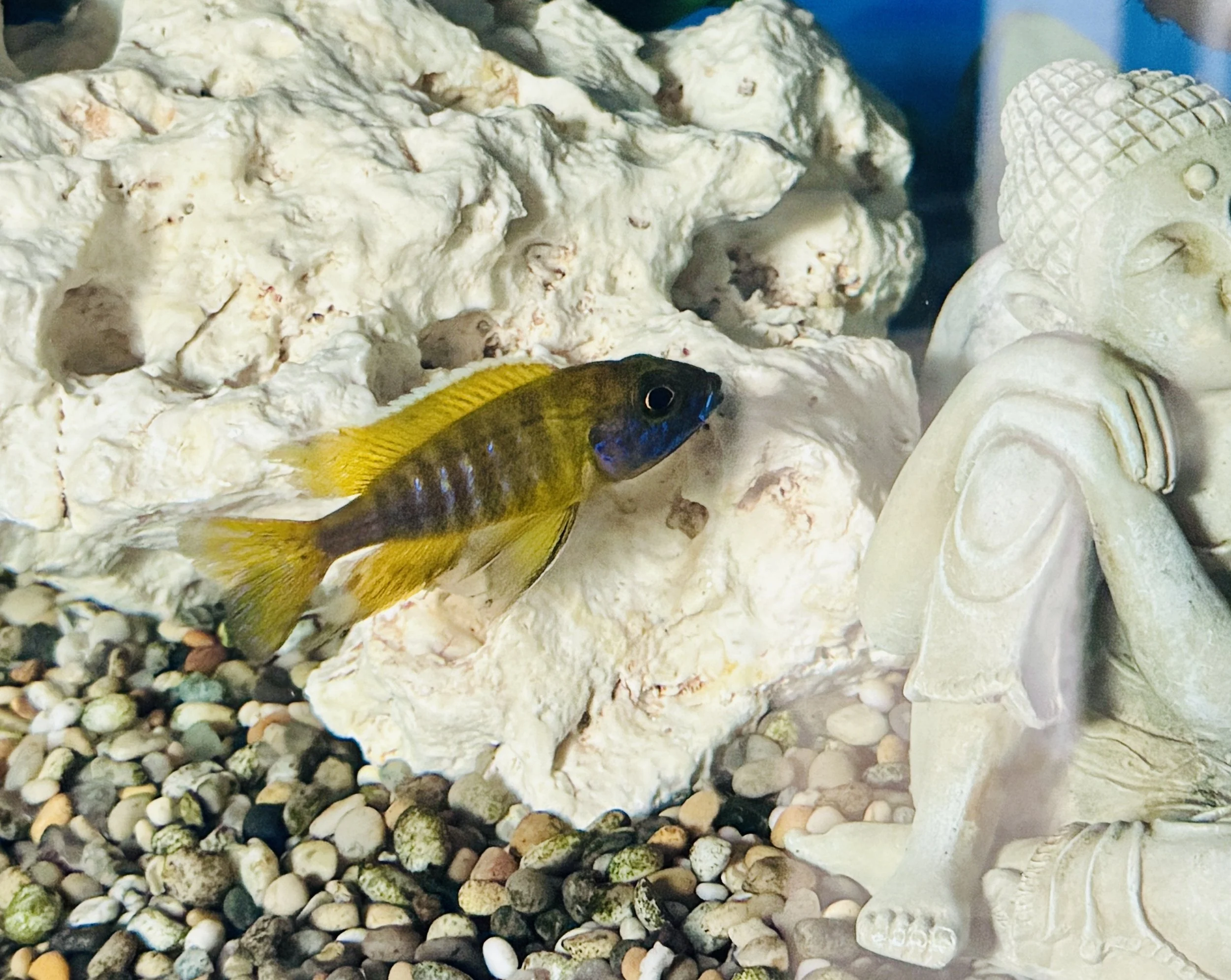
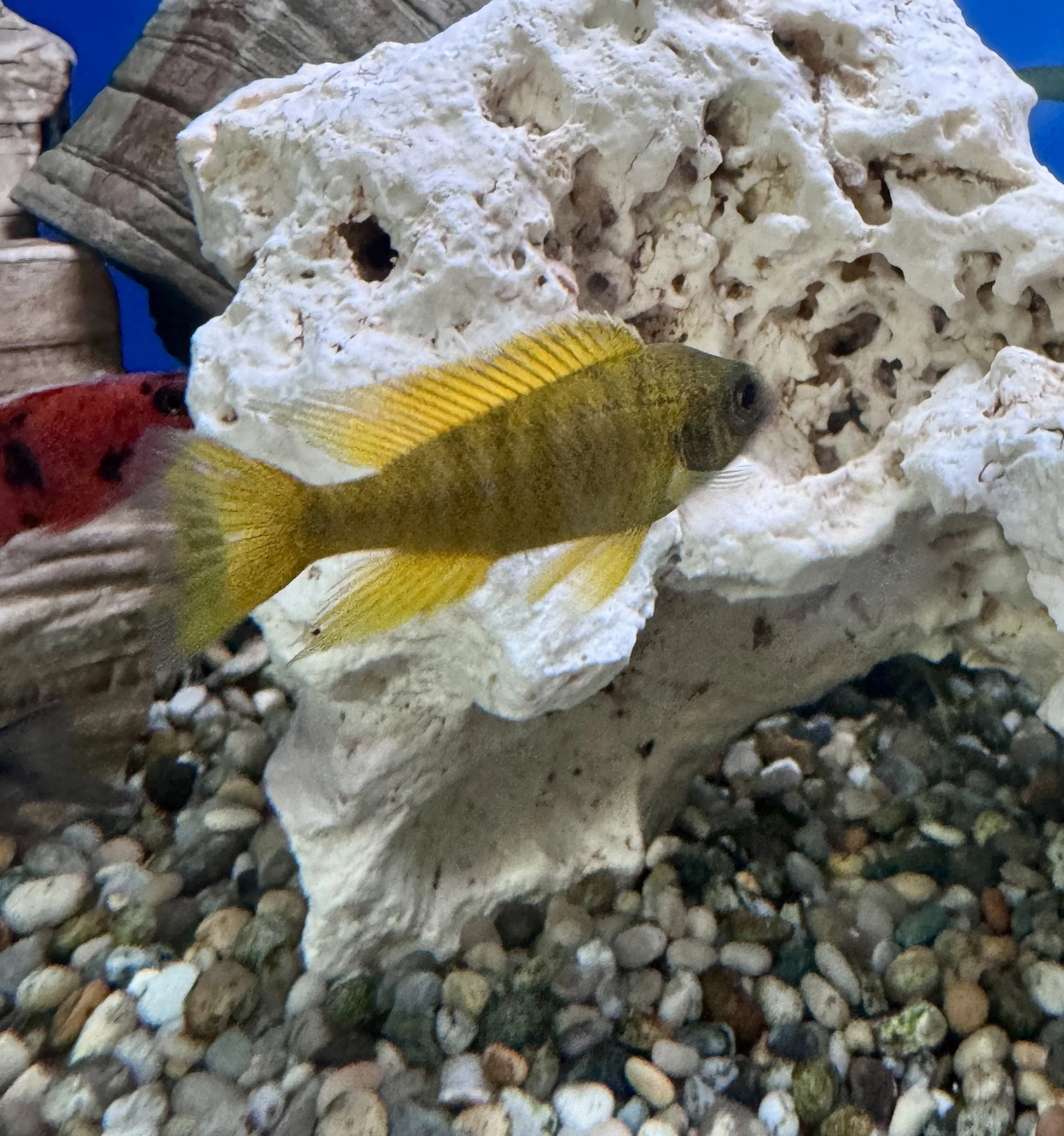
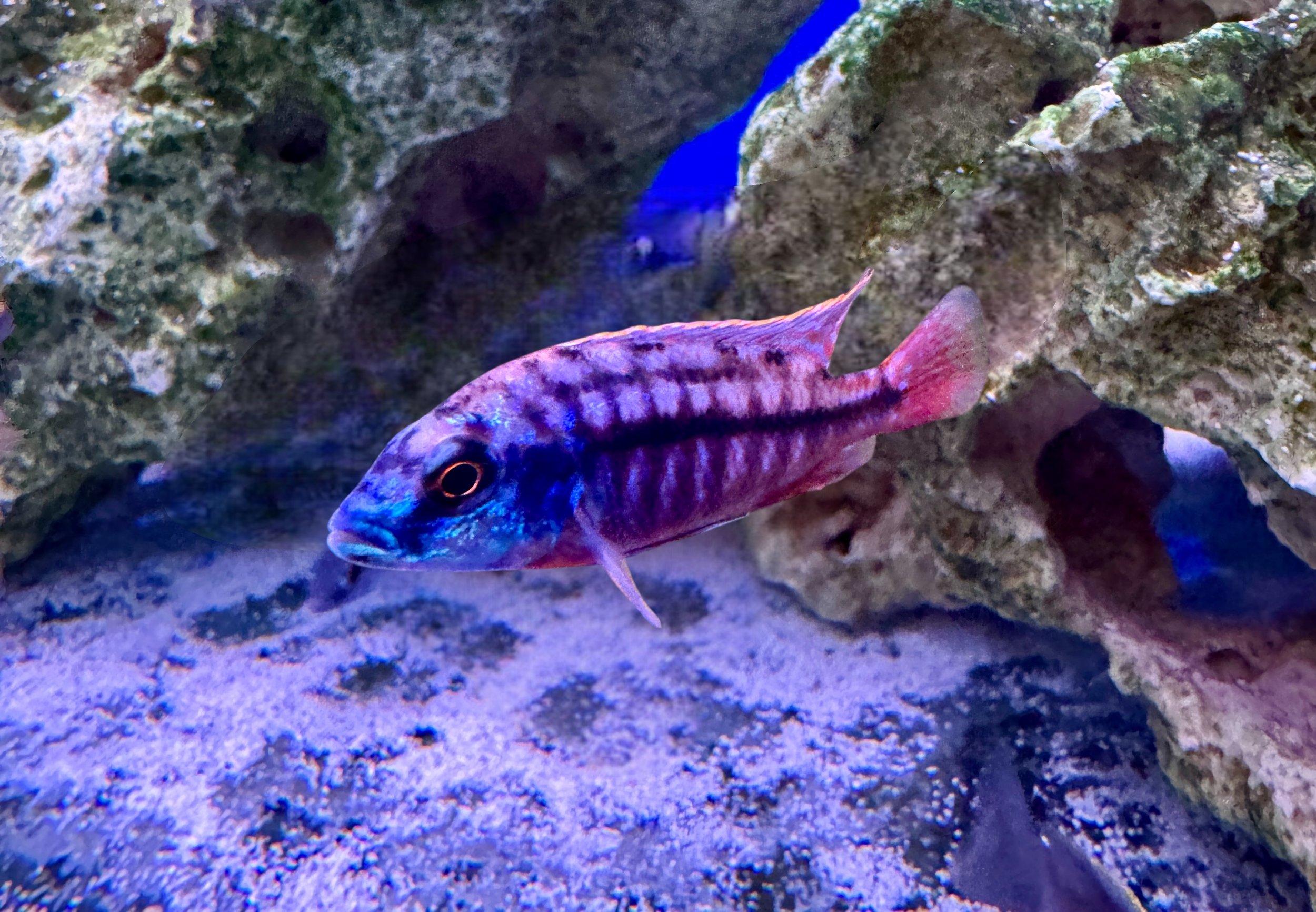
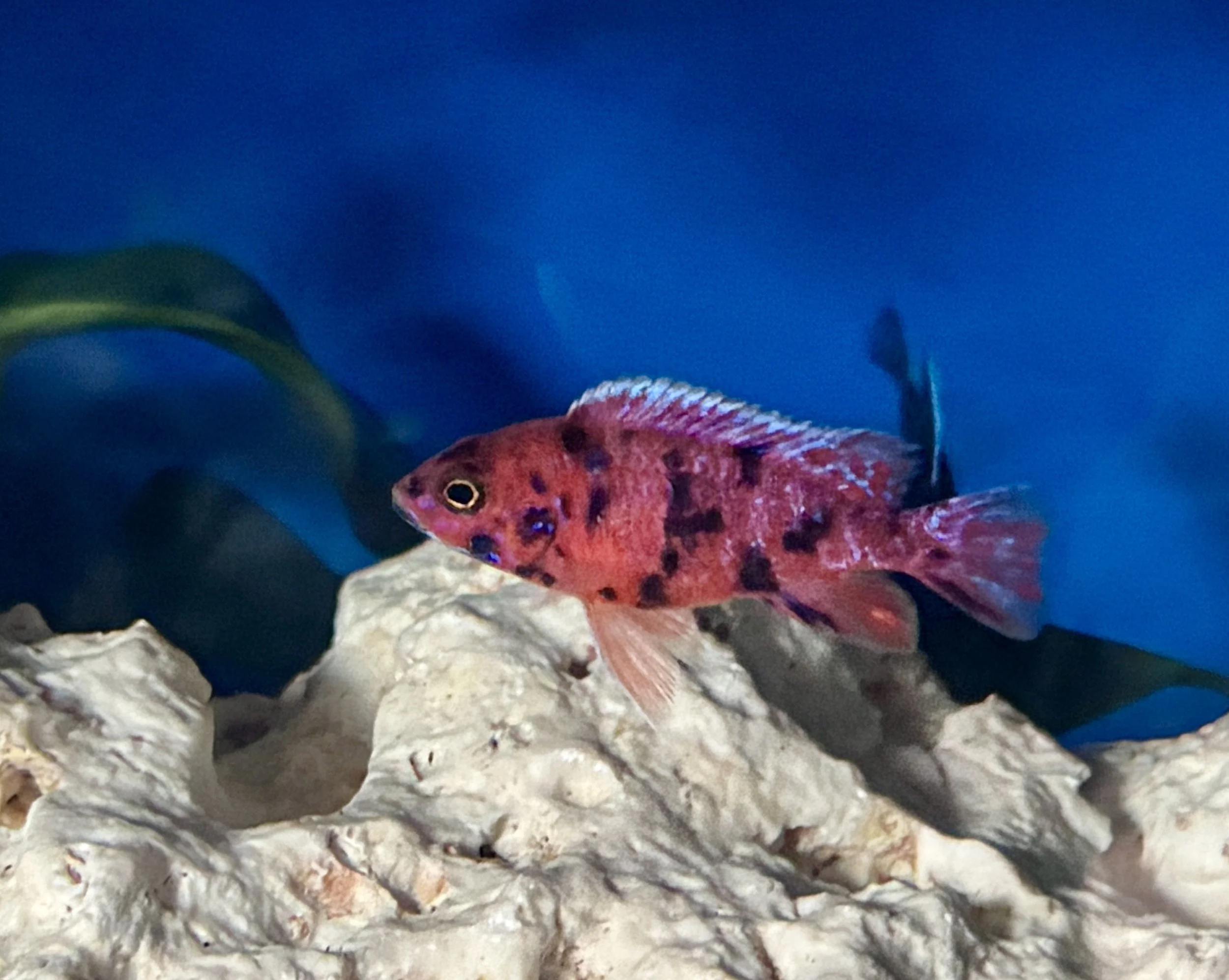
The Orange blotch is known for its striking and vibrant coloration and blotched pattern
Behavior:
Tangerine Aulonocaras are generally peaceful but can be territorial, especially during breeding. They are active and enjoy exploring their environment. They are known for their curious and sometimes shy behavior.
Care Tips:
Water Quality: Maintain clean water with regular water changes and a good filtration system. Malawi Cichlids are sensitive to poor water quality.
Tank Setup: Provide plenty of hiding spots with rocks, caves, and decorations to reduce stress and provide enrichment. A sandy substrate is preferred.
Feeding: Feed a varied diet to ensure they receive all necessary nutrients.
Stress Reduction: Avoid over-crowding and provide a calm, stable environment to reduce stress and aggression.